What Is the Minimum Order Quantity for Precision Die-Cut Parts?
There is no universal minimum order quantity for precision die-cut parts. A converter may be physically capable of producing ten pieces, yet the cost of material preparation, machine setup, inspection, and packaging can make those ten pieces commercially impractical.
MOQ is therefore not just a factory rule. It is the quantity at which a selected production route begins to make sense for the buyer and manufacturer. For commercial context, see how material, tooling, and release volume shape total die-cutting cost.
Why Custom Precision Die Cutting Services Use MOQs
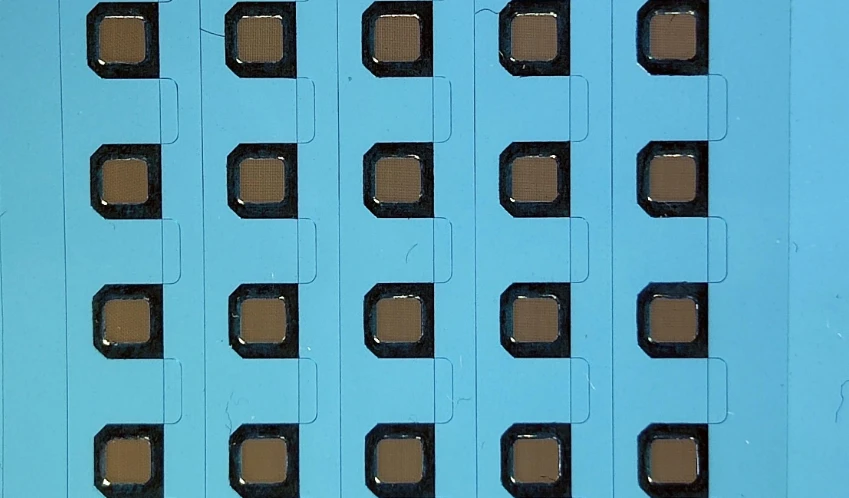
Every production run includes work that does not change much with quantity. Engineers review the drawing, confirm material, prepare programs or tooling, set cutting pressure, align layers, remove initial waste, inspect first articles, and document the lot. Producing twenty parts may require nearly the same setup as producing two thousand.
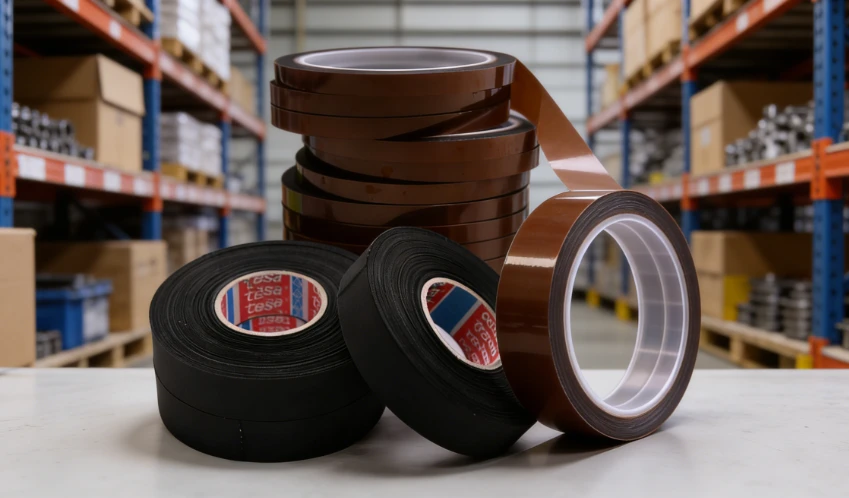
Materials create a second minimum. Specialty tape, foam, thermal interface material, or medical film may only be sold as a full roll or in a supplier-defined quantity. Even if the converter uses only a small area, someone must absorb the unused stock and its shelf-life risk.
Packaging can also establish a natural batch. Roll-based components require leader, trailer, core, winding, and sometimes splices. Very short rolls may not work reliably on the customer’s dispensing equipment.
Choose the Right Process for Low-Volume Precision Die Cutting
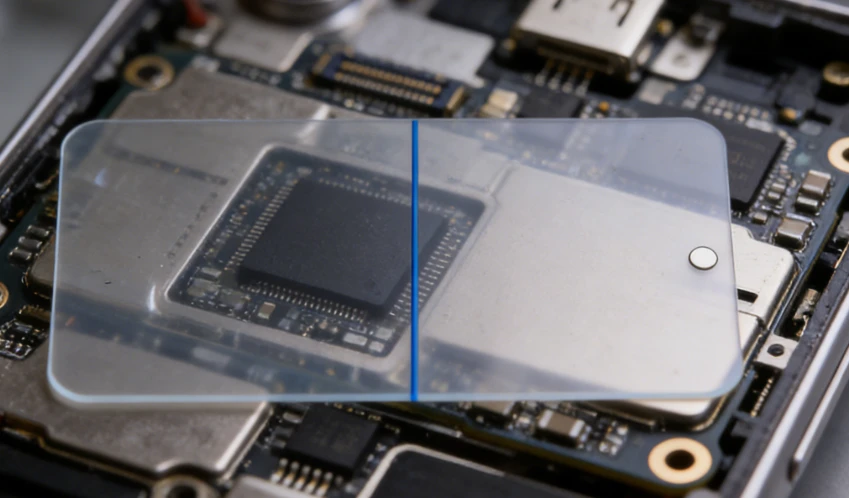
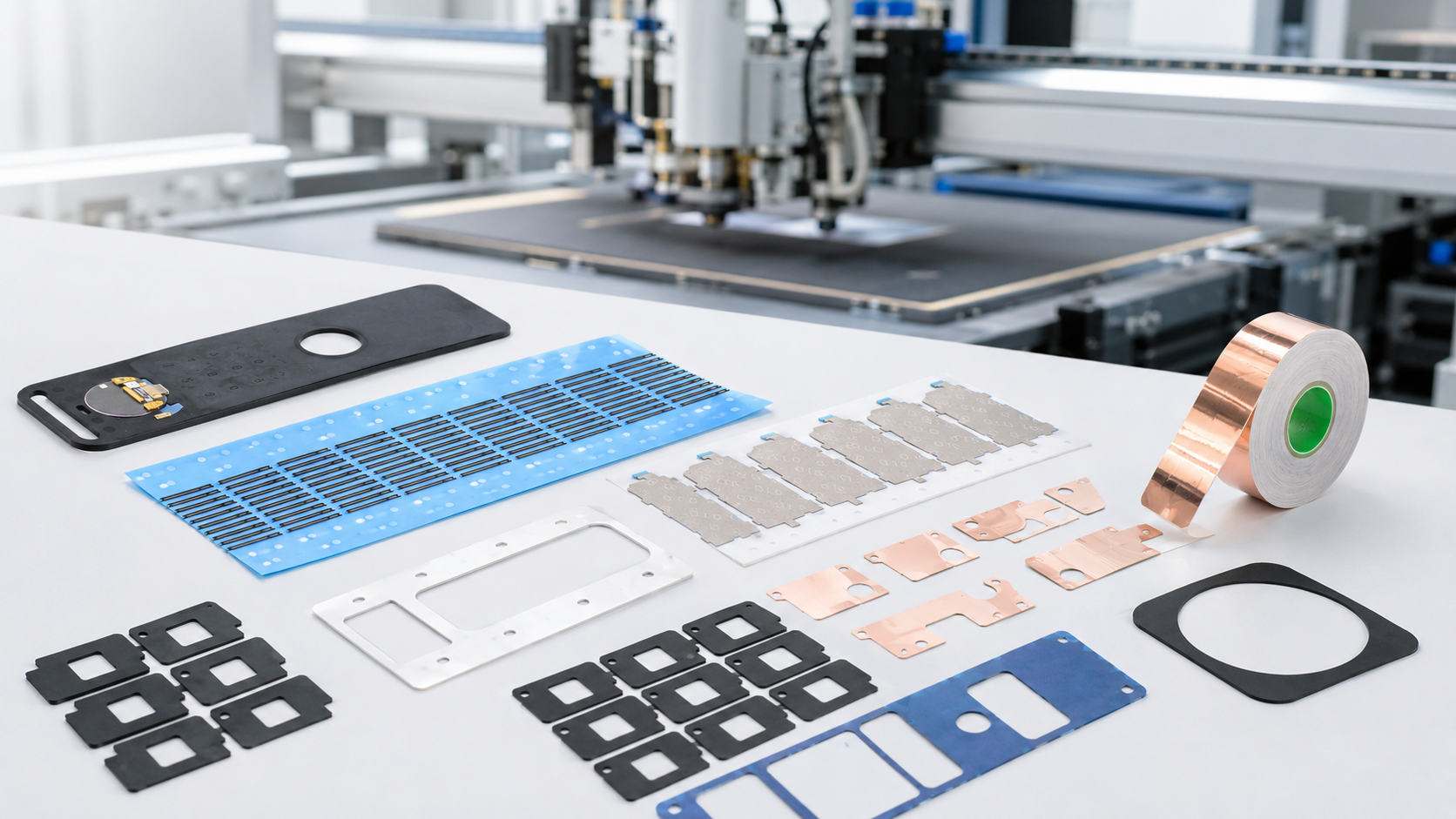
Low quantity does not always require production tooling. Digital knife cutting is useful for flexible films, foams, and adhesive constructions when the geometry is suitable. Laser cutting can produce intricate profiles without a physical die, although heat-affected edges or adhesive behavior must be evaluated.
Prototype tooling may offer a middle path when the production material cannot be represented accurately by a digital process. It can reveal compression, waste removal, liner performance, and cut depth before the final high-volume tool is released.
The correct route depends on what the sample must prove. Appearance samples, fit checks, functional testing, regulatory builds, and pilot-line trials do not necessarily need the same process or quantity.
Match Precision Die Cut Component Parts to the Project Stage
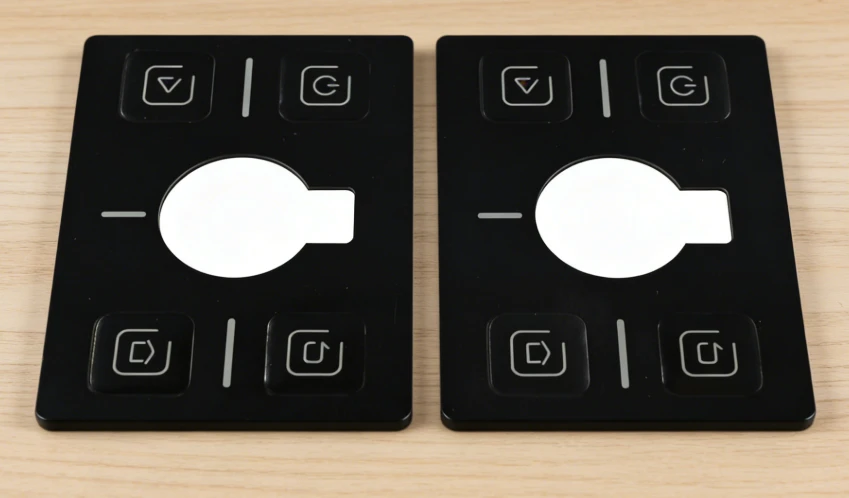
During concept development, a small set may be enough to confirm basic fit. Engineering validation typically requires parts from the intended material and enough samples to test different assemblies or environmental conditions. A pilot build should also reveal handling, placement, waste removal, and inspection behavior under realistic conditions.
Mass-production MOQ should be based on demand, material shelf life, line consumption, and replenishment time. Buying a year of adhesive parts only to obtain a lower price can create storage and aging problems. Scheduled releases against a material commitment may be a better solution.
Separate the MOQ into three numbers: the material purchase minimum, the economical conversion batch, and the shipment release quantity. They may be identical, but often are not. A project can buy one master roll, convert only the quantity required for the next quarter, and release finished parts in smaller shipments—provided storage responsibility and shelf life are defined.
Process choice should follow that demand pattern. Flatbed or digital routes preserve flexibility during development, while rotary production becomes attractive when repeat demand can absorb tooling and setup over a larger number of good parts. Moving between those routes at the right stage prevents early tooling commitments from dictating an immature design.
Ask These Questions Before Accepting an MOQ
Is the minimum driven by material or conversion?
If material is the constraint, ask whether an approved stocked alternative is available or whether the remaining material can be reserved for later releases. If setup is the constraint, combining releases or using a different production method may help.
Does the quotation include tooling?
A supplier may quote a low MOQ but allocate the entire tooling cost to the first order. Another may quote tooling separately. Compare the total initial commitment, not just the number of pieces.
Can the design change after the first batch?
If geometry is still developing, avoid committing too early to an expensive production tool. Use a controlled prototype route until critical features are stable. Before committing to a production die, use this specification checklist to close material, tolerance, liner, and inspection gaps.
What is the usable shelf life?
Pressure-sensitive adhesive, foam, and some medical materials have defined storage conditions and shelf lives. The purchase quantity should not exceed what can be consumed reliably.
Plan Precision Die Cutting Releases Around Real Consumption
MOQ negotiations work best when the buyer provides a rolling forecast rather than a single optimistic annual number. The converter can then distinguish material that must be purchased immediately from material that can be ordered against later releases. This is particularly valuable when one master roll supports several production batches.
Define how forecast changes will be handled, who carries unused material, and whether finished parts or raw material will be stored. For adhesive components, storage temperature, humidity, packaging integrity, and remaining shelf life should be visible on inventory records. A release plan that protects freshness and continuity is often more economical than one oversized order placed solely to reach the lowest unit price.
FAQ About Precision Die-Cut Part MOQ
Can I order only one prototype?
Sometimes, but one part rarely provides enough evidence for dimensional, functional, and assembly validation. A small sample set is usually more useful.
Will the production part match a laser-cut prototype exactly?
Not always. Edge condition, adhesive behavior, compression, and corner geometry can differ. Production-equivalent samples should be tested before final approval.
Can several different parts share one order?
They may share material purchasing or production planning, but each geometry normally requires its own program, setup, inspection, and possibly tooling.
Is a higher MOQ always cheaper overall?
No. Excess inventory, aging, design changes, and storage can outweigh a lower unit price. Total consumption and program risk should guide the decision.
Discuss Your Required Quantity
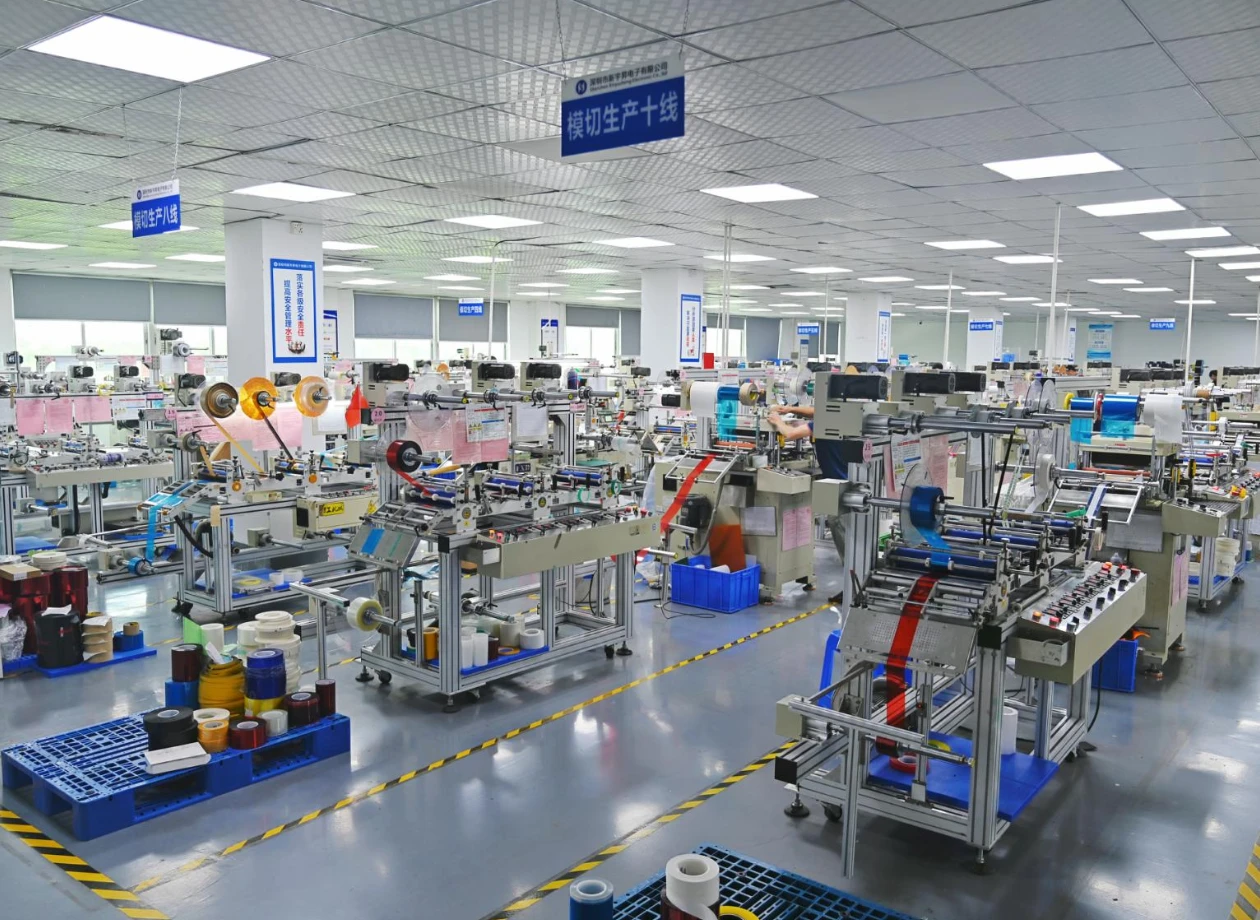
Tell Xinyusheng whether you need concept samples, validation parts, a pilot build, or recurring production. We can review the most practical process, material commitment, and delivery plan for your precision die-cut component parts.
Table of Contents
Related news
Company News
What Is Custom Precision Die Cutting? What Types of Custom Functional Components Is Xinyusheng Suitable For?
May 14,2026
Discover More
Company News
How Are Die Cut Materials Used in Automotive Electronics?
August 29,2026
Discover More
Company News
What Types of Thermal Interface Materials Can Be Die Cut?
August 29,2026
Discover More
