How Much Does Precision Die Cutting Cost?
Two precision die-cut parts with the same outside dimensions can have very different prices. One may be a single PET film cut from a stocked roll. The other may combine foam, adhesive, insulation film, two liners, tight registration, optical inspection, and roll packaging for automated placement.
A credible quotation therefore needs more than length and width. It must account for the manufacturing system required to make, inspect, package, and deliver a usable component.
The Main Cost Drivers in Precision Die Cutting

| Cost driver | What changes the price | Where buyers can influence cost |
|---|---|---|
| Material | Grade, thickness, roll width, MOQ and yield | Approve suitable equivalents and efficient widths |
| Tooling | Geometry, cutting levels, life and precision | Simplify nonfunctional features |
| Conversion | Slitting, lamination, printing and waste removal | Combine steps where practical |
| Tolerance | Critical dimensions and inspection frequency | Tighten only functional features |
| Volume | Setup allocation and production rate | Provide realistic annual demand |
| Delivery | Roll, sheet, tray, liner and packaging | Match format to the assembly method |
Material is often the largest recurring cost. Specialty thermal pads, conductive foils, medical adhesives, flame-retardant films, and branded tapes can cost many times more than standard foam or PET insulation film. The usable yield matters as much as the price per square meter. A narrow part placed inefficiently across an expensive master roll creates scrap that still has to be purchased.
How Tooling Changes Custom Precision Die Cutting Cost
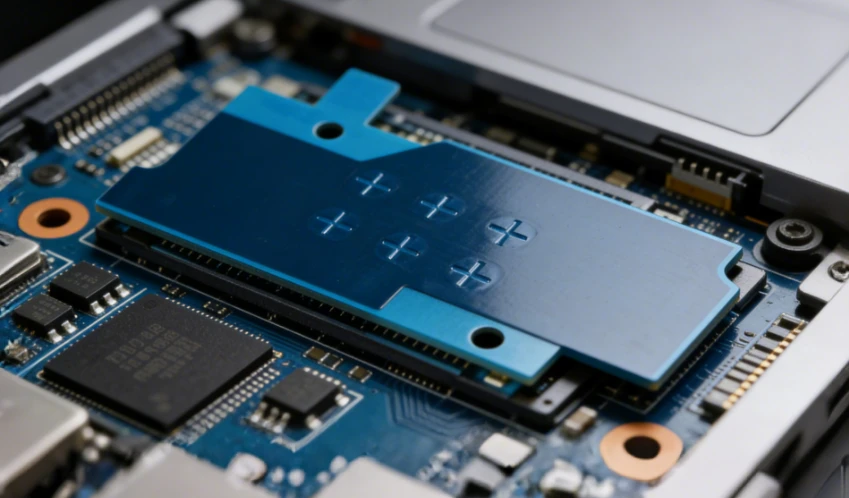
Tool choice depends on part geometry, material, tolerance, and volume. Digital knife or laser cutting usually avoids a hard production tool and is attractive for prototypes or rapidly changing designs. Its cycle time can make it less economical at volume.
Flatbed tooling can be cost-effective for lower volumes, thick foam, sheet materials, and large parts. Rotary tooling requires a higher initial investment but supports continuous roll production, inline lamination, and efficient high-volume output. Complex tools with several cutting levels, very small features, or long-life requirements cost more than simple single-level profiles.
Tooling should be evaluated over the expected program life. A cheaper tool that needs frequent replacement can produce a higher total cost than a durable tool with a larger initial price.
Why Precision Die-Cutting Tolerance Affects Price
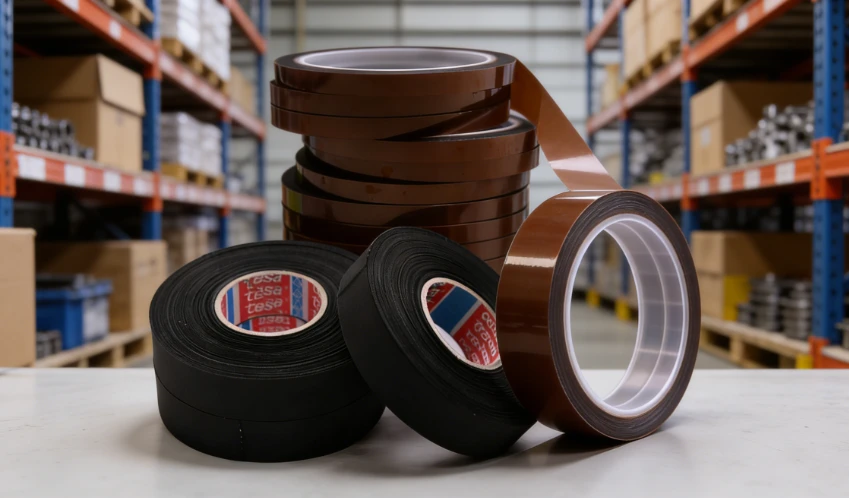
Tight tolerance affects far more than the cutting operation. It may require more stable material, higher-grade tooling, slower running speed, additional process control, more frequent measurement, and greater rejection of borderline parts.
The cost rises sharply when every dimension receives the same aggressive tolerance. A better approach is to isolate the dimensions that control fit, sealing, electrical isolation, thermal contact, or automated placement. Wider limits on noncritical profiles protect function while improving yield.
Soft foam and rubber may also require compensation and conditioning before measurement. Adhesive constructions can need temperature control or more frequent tool cleaning. These material-specific controls should be visible in the quotation rather than hidden behind a single unit price.
The Hidden Cost of Precision Die Cutting Services

Unit price is only one component of total cost. Poorly designed delivery formats can add labor at the customer’s assembly line. Loose adhesive parts may be inexpensive to manufacture but slow to separate, orient, and place. A kiss-cut roll with controlled pitch may cost more per part while reducing handling errors and assembly time.
Quality failures create another hidden cost. Parts that are out of position, difficult to peel, contaminated, or inconsistent in compression can stop a production line. Supplier responsiveness, traceability, change control, and engineering support therefore have economic value even when they do not appear as separate quotation lines.
Freight and inventory should also be considered. A very large order can reduce unit price but tie up cash and expose adhesive or foam materials to aging. Smaller scheduled releases may produce a healthier total cost despite a slightly higher conversion price.
For a reliable comparison, normalize each quotation to good parts delivered. A lower cycle price can lose its advantage if the route has poor material yield, frequent setup scrap, short tool life, or inspection that occurs only after an entire roll is converted. Ask for the assumed yield, setup quantity, cavity count, inspection frequency, and tool-maintenance basis behind the price.
Equipment mix also changes the economic route. Xinyusheng uses rotary lines for continuous high-volume conversion and flatbed lines for prototypes, flexible batches, or larger formats. The lowest-cost process therefore depends on order profile and construction, not on a single machine rate.
How to Request a Comparable Precision Die Cutting Quote
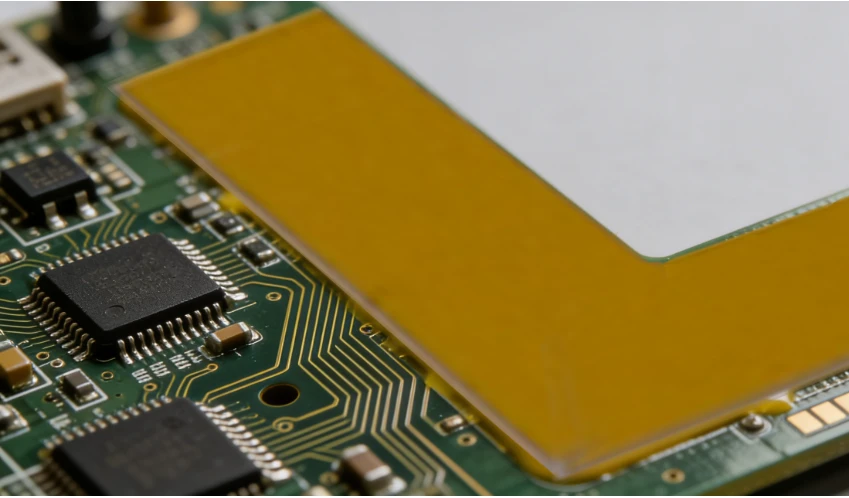
Send every supplier the same controlled package: drawing, material construction, approved alternatives, critical tolerances, annual and release quantities, sample needs, inspection requirements, and packaging format. Ask suppliers to separate one-time tooling, material, conversion, inspection, and packaging costs where possible.
Clarify whether the quote assumes customer-supplied material, a standard stocked grade, or a special manufacturer MOQ. Confirm tool ownership, expected tool life, revision cost, and storage conditions. A low price based on an incomplete assumption is not comparable with a quote built around the real production requirement.
The most useful cost review follows the entire production route: material utilization, tooling, lamination, cutting, inspection, and delivery. That broader view can reveal savings—such as improved nesting, practical tolerance allocation, or a better liner format—without weakening component performance.
FAQ About Precision Die Cutting Cost
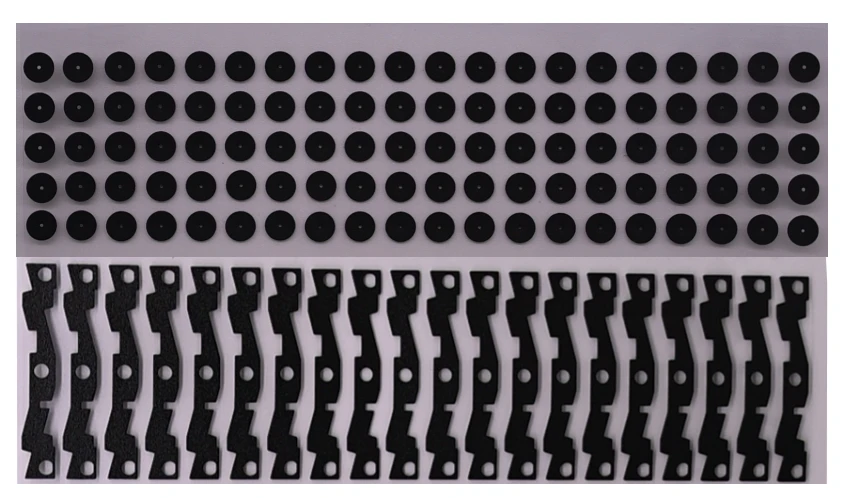
Is laser cutting always cheaper because it needs no die?
No. It can be economical for prototypes and small quantities, but longer cycle time may make production tooling less expensive at higher volumes.
Why does the supplier need annual volume as well as order quantity?
Annual volume helps determine the appropriate tooling, material purchase strategy, capacity plan, and expected tool life. One release quantity does not show the full program economics.
Can changing the material reduce cost?
Yes, but only when the alternative meets functional and regulatory requirements. The best substitution matches performance, thickness, aging, adhesion, and process stability rather than appearance alone.
Does adding a pull tab always increase price?
It can add material or tooling complexity, but the resulting reduction in assembly time may lower total cost. The correct comparison includes downstream labor.
Request a Precision Die Cutting Cost Review
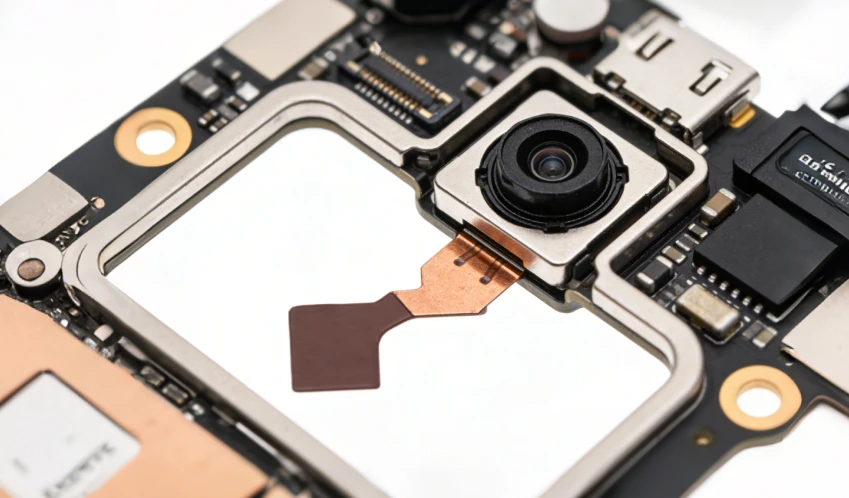
Send Xinyusheng your drawing, material requirements, forecast volume, and assembly method. We can recommend a suitable production process and prepare a transparent custom precision die cutting quotation based on the complete component, not only its outline.
Table of Contents
Related news
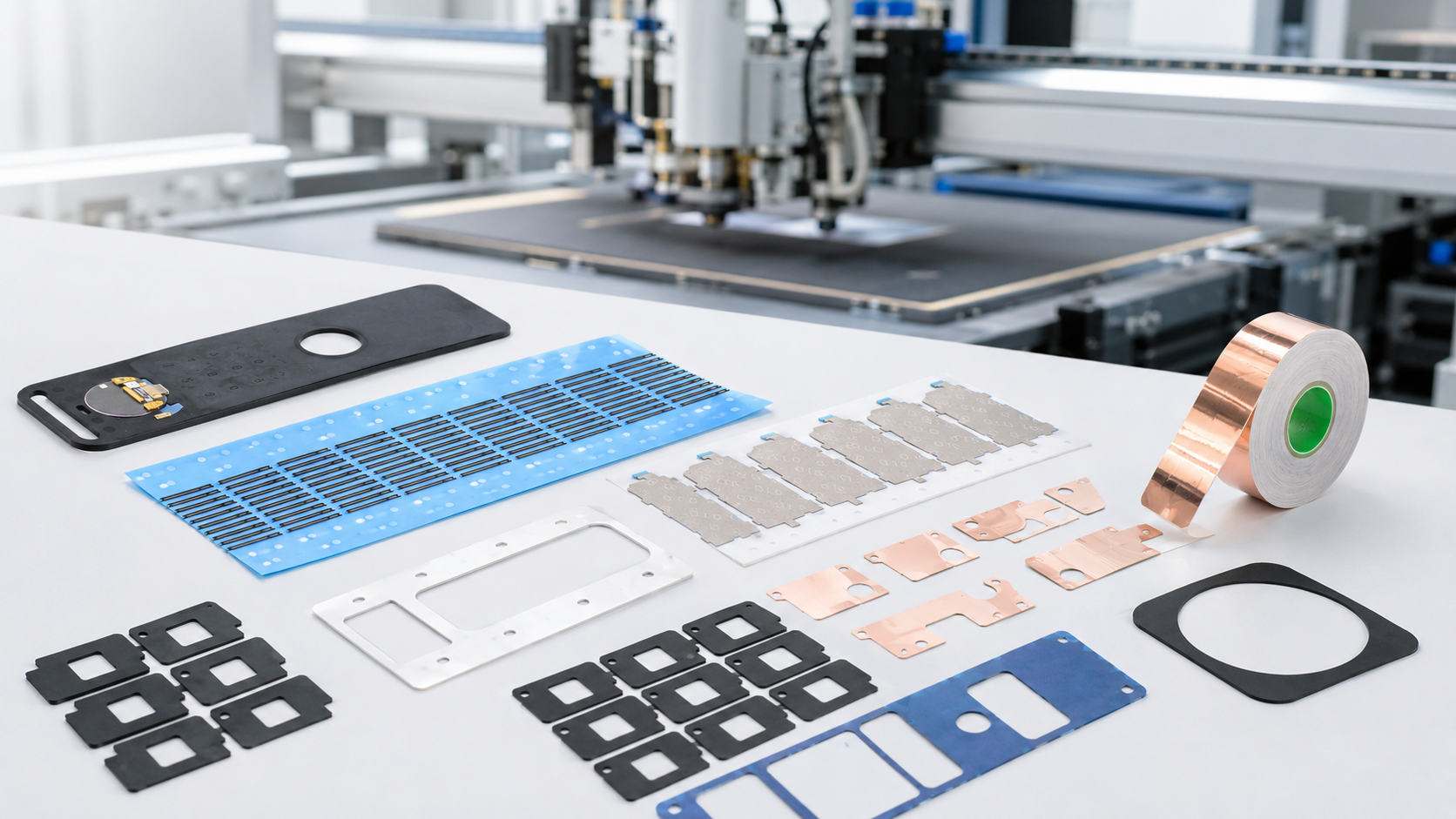
Company News
What Is Custom Precision Die Cutting? What Types of Custom Functional Components Is Xinyusheng Suitable For?
May 14,2026
Discover More
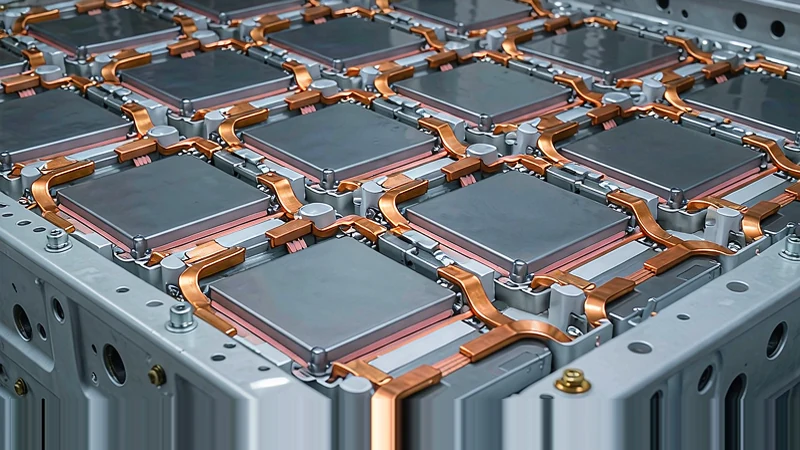
Company News
How Are Die Cut Materials Used in Automotive Electronics?
August 29,2026
Discover More
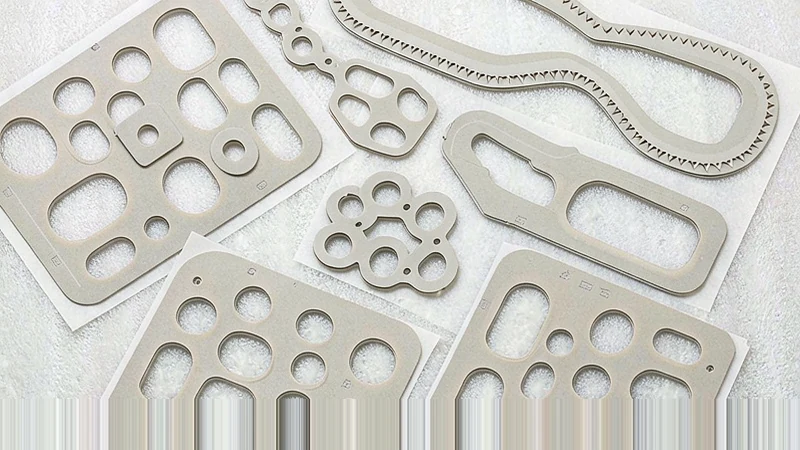
Company News
What Types of Thermal Interface Materials Can Be Die Cut?
August 29,2026
Discover More
