Custom Die Cut Thermal Insulation Materials
Custom thermal insulation solutions designed to reduce heat transfer, protect critical components, and support reliable performance in demanding applications.

Low Thermal Conductivity

Flame-retardant

Lightweight
What is Thermal Insulation Material?
Learn how thermal insulation materials reduce heat transfer and protect components in demanding high-temperature environments.
Thermal insulating materials are functional materials used to block heat transfer. They address performance decay and safety risks caused by radiant or conductive heat in high-temperature environments. Core characteristics include:
High-efficiency insulation:
Low thermal conductivity with heat-blocking efficiency ≥95%, effectively reducing temperature transfer.
Wide temperature tolerance & weatherability:
Broad operating range suitable for long-term outdoor and high-temperature use.
Safe & eco-friendly:
UL94 V-0 flame-retardant rating, no volatile hazardous substances, compliant with RoHS/REACH.
Xinyusheng’s primary insulation substrates include silicone foam, aerogel, and insulation wool (e.g., glass/ceramic fiber), with precise selection based on application scenarios.
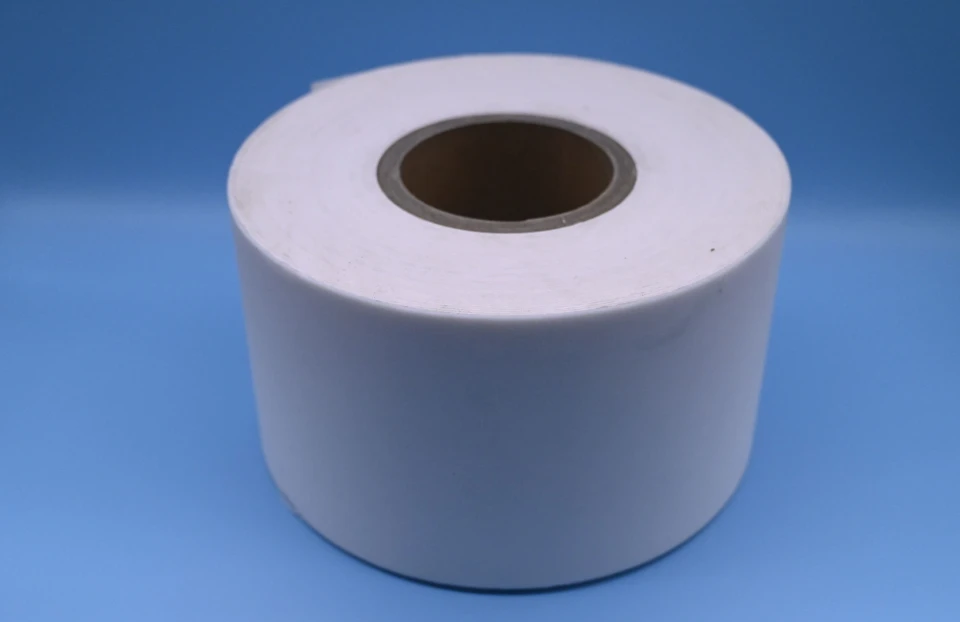
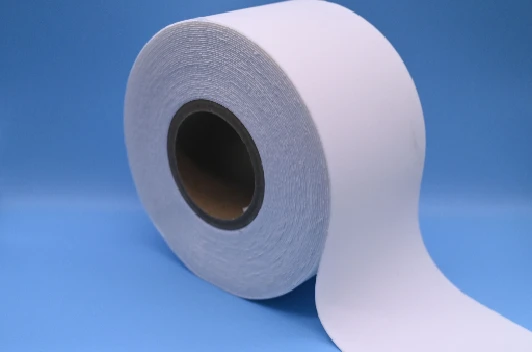
Types of Die-Cut Thermal Insulation Materials
Explore die-cut thermal insulation options based on material type, thermal performance, thickness, and application requirements.
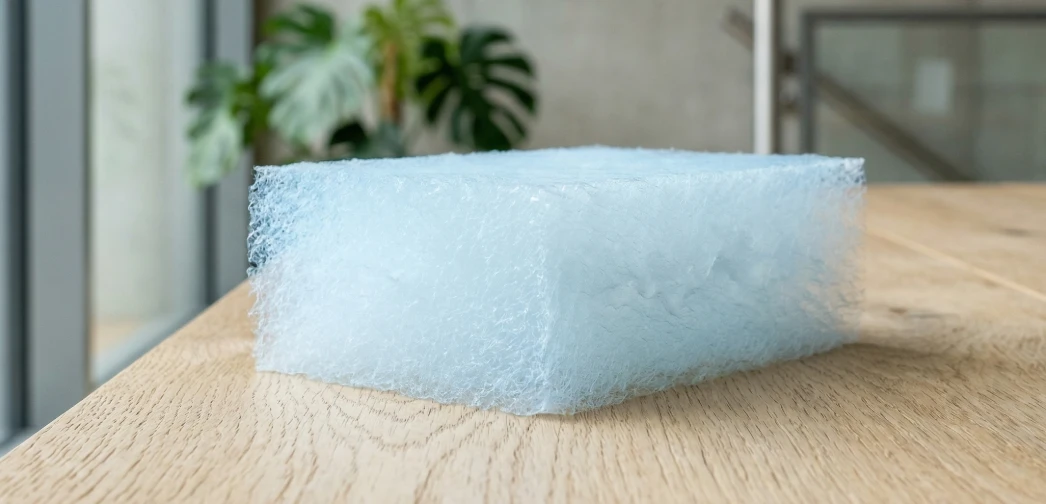
Aerogel Insulation Materials
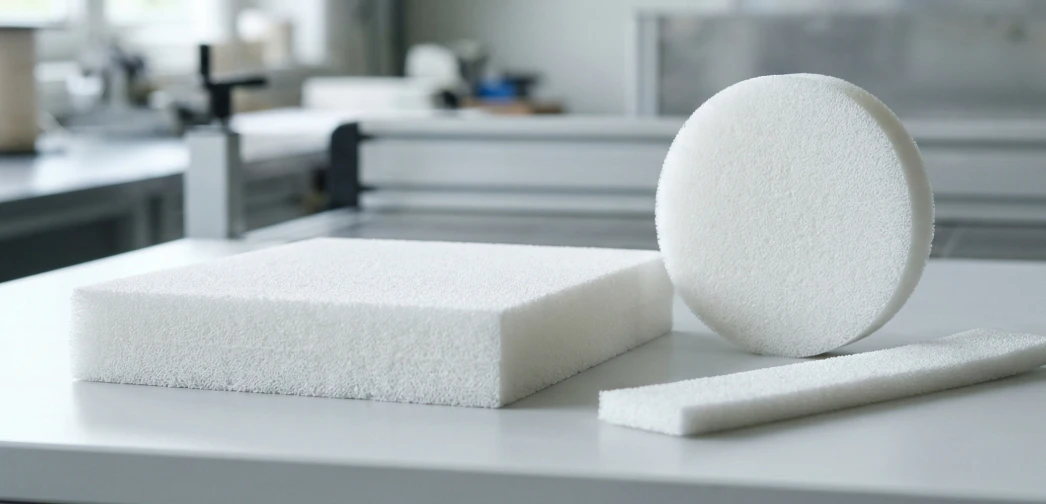
Silicone-foam Insulation Materials
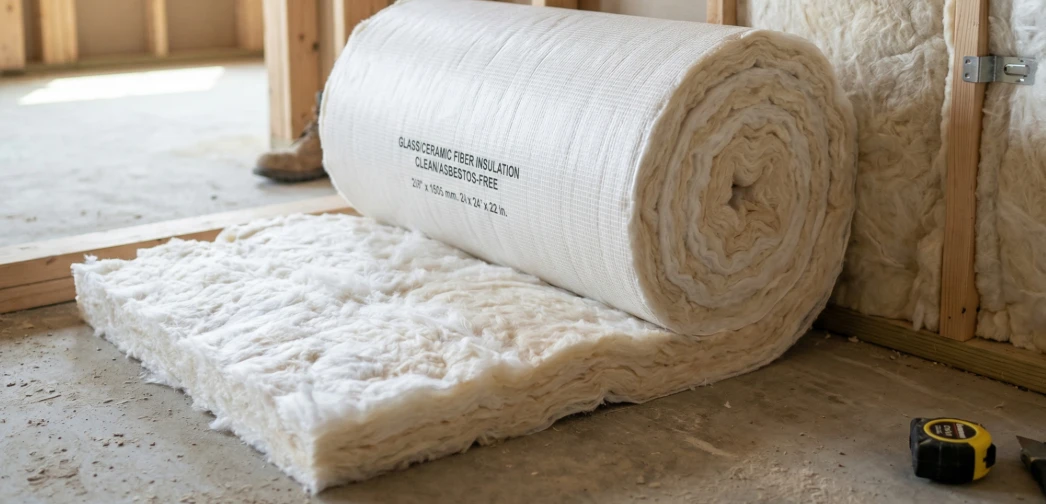
Insulation Wool (glass fiber/ceramic fiber)
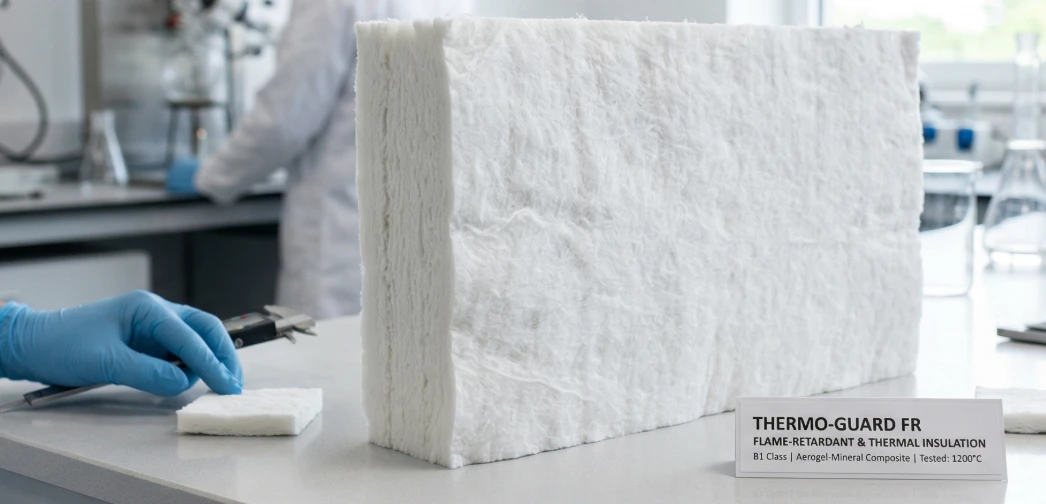
Flame-retardant Insulation Materials
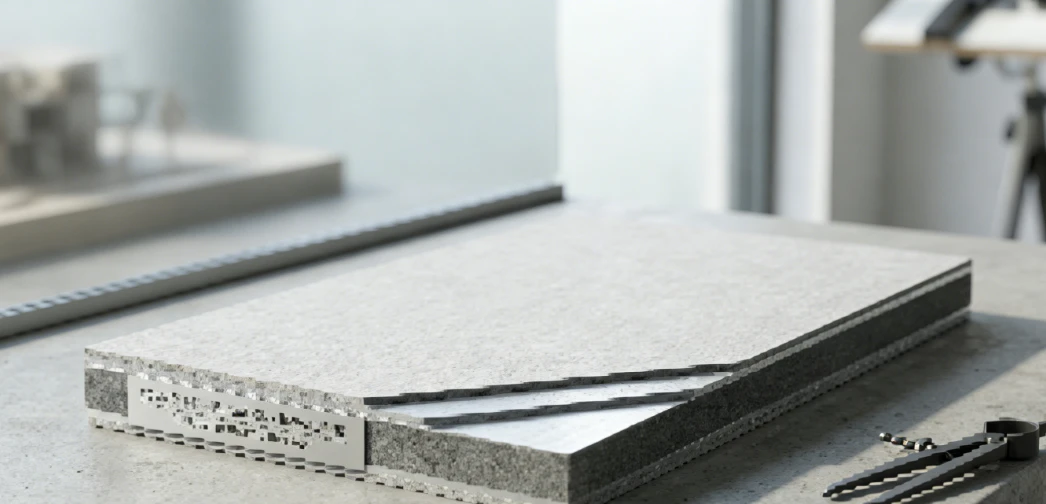
Composite Insulation Materials
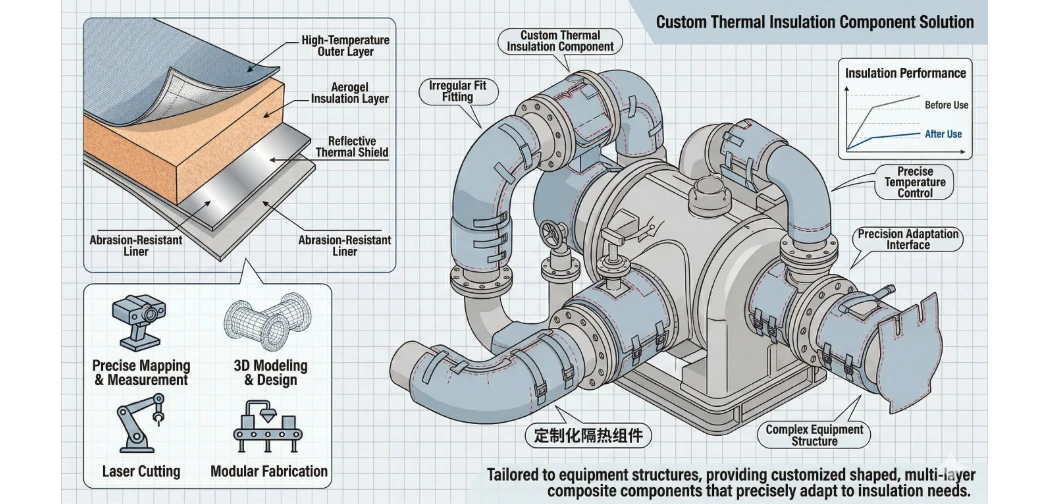
Custom Insulation Assemblies
Custom Thermal Insulation Solutions for High-Temperature Needs
From material selection to precision processing, our custom die cut thermal insulation supports reliable protection for complex components and assemblies.
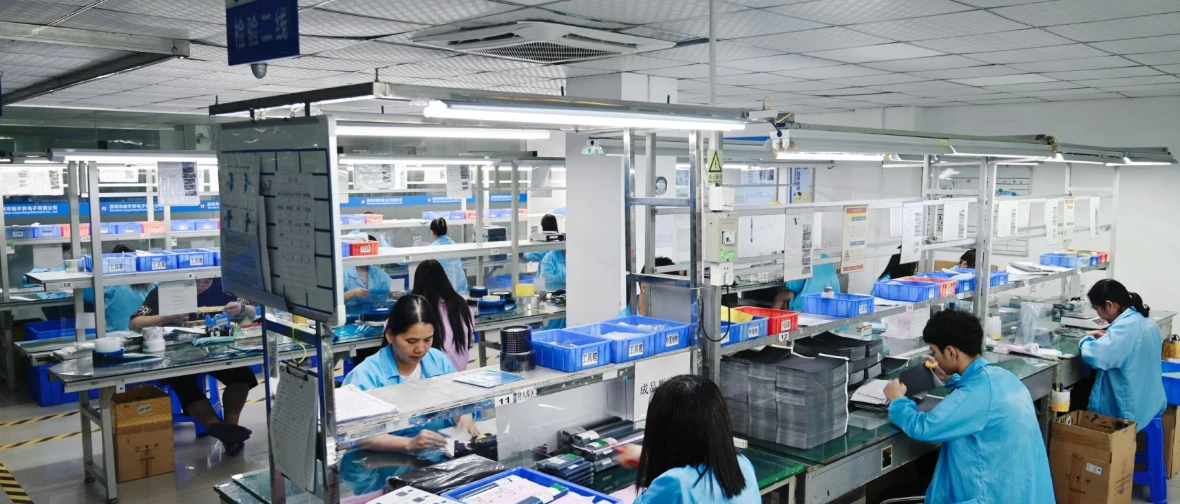
Broad Coverage of High-temperature Use Cases with Proven Experience
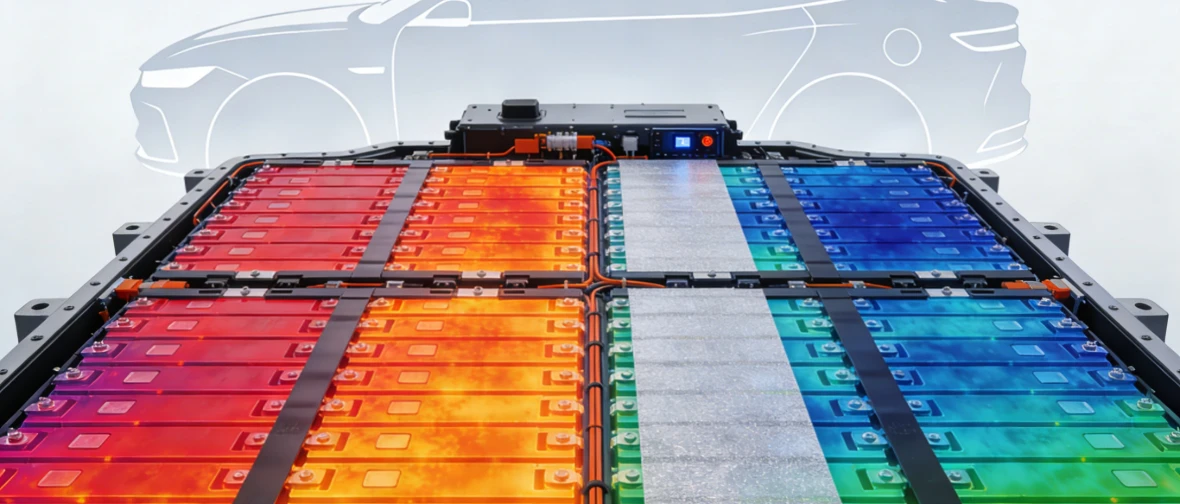
Category-leading Core Performance with Controllable Insulation Efficiency
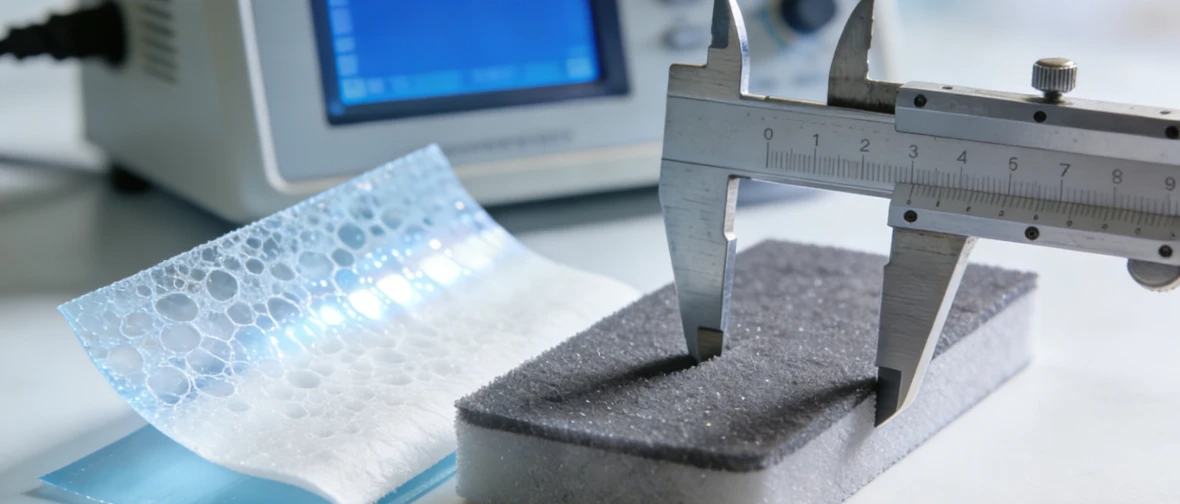
Full-size Structural Customization for Diverse Scenarios
FAQs About Die Cut Thermal Insulation


How is insulation performance quantified? Can it meet long-term high-temperature service?

Our materials have precisely measured thermal conductivity with high heat-blocking efficiency. They show no performance decay after high-temperature aging and fully meet long-term service needs.
How do I choose among aerogel, silicone foam, and insulation wool?
Aerogel offers the highest insulation efficiency and is ideal for high-end, lightweight applications. Silicone foam combines insulation and sealing for gap-filling and buffering. Insulation wool is cost-effective and scalable for enclosure-level industrial insulation. Our engineers tailor recommendations to your temperature targets, space constraints, and budget.
Do you support custom shapes and large sizes? What is the machining accuracy?
Yes. We process up to 1.8 × 1.2 m assemblies with minimum thickness 0.5 mm, supporting custom shapes, curved surfaces, and multilayer composites. Edges are precision die-cut—no delamination, no dust—to fit complex structures and mounting needs. Drawing-based customization is available.
Do the products meet environmental and flame-retardant standards? Can you provide reports?
Yes. All insulation materials comply with RoHS/REACH and achieve UL94 V-0 flame-retardant rating; some products meet IATF 16949 automotive standards. We provide complete third-party reports covering thermal conductivity, temperature resistance, flame retardancy, and environmental compliance to support certification and market entry.
What is the difference between thermal insulation materials and thermal interface materials?
Thermal insulation materials are designed to reduce or block heat transfer, while thermal interface materials help transfer heat away from heat-generating components. Insulation is typically used to protect heat-sensitive areas or separate hot and cold zones. TIMs are more commonly used between components such as chips, heat sinks, battery modules, or housings to improve thermal conduction.
What is the difference between thermal insulation materials and thermal interface materials?
Thermal insulation materials are designed to reduce or block heat transfer, while thermal interface materials help transfer heat away from heat-generating components. Insulation is typically used to protect heat-sensitive areas or separate hot and cold zones. TIMs are more commonly used between components such as chips, heat sinks, battery modules, or housings to improve thermal conduction.
