How Are Die Cut Materials Used in Automotive Electronics?
This article looks at how precision die cutting is used to convert these materials into application-specific parts for EV battery systems, control modules, power electronics and other automotive assemblies.
Precision Die Cutting in EV Battery Systems
Inside an EV battery pack, functional materials are distributed around cells, modules, busbars and enclosure structures according to very different needs. Thermal pads and gap fillers deal with heat transfer, insulation films separate conductive zones, while foam and adhesive components can provide cushioning, spacing or fixation. In some battery safety designs, thermal barrier pads may also be used between cells to slow heat propagation; recent testing on high-capacity lithium-ion modules evaluated barrier pad thicknesses from about 1.35 to 2.0 mm, showing that both material structure and thermal conductivity matter when controlling heat spread.
Once the geometry is defined, precision die cutting can incorporate terminal windows, busbar clearance areas, mounting openings and other local features directly into the part. This becomes especially useful in repeated module layouts, where the same component may appear many times and needs to remain consistent from one position to the next.
Thermal Management with Die Cut Materials
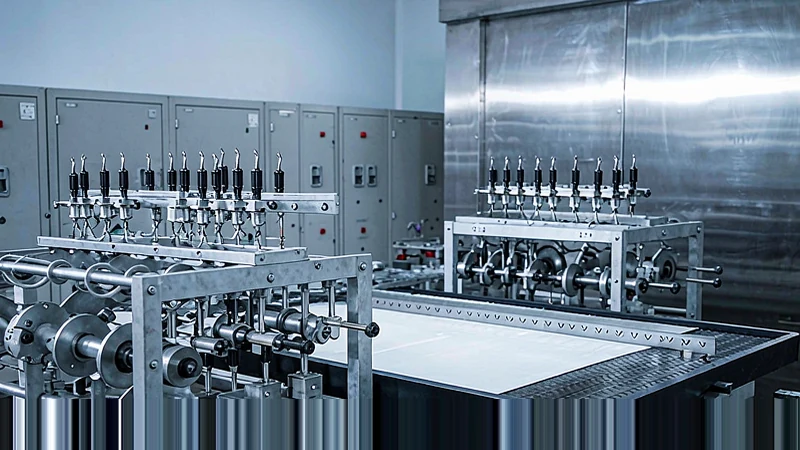
The thermal path inside automotive electronics can change significantly from one component to another. A control module may only require a thin material between a device and its housing, while a charger or power module can involve uneven surfaces, wider gaps or localized heat concentration.
Soft thermal pads and gap fillers are better suited to interfaces that need to absorb surface variation, while thin films work well where space is tighter. Graphite helps spread heat laterally, and thermal tapes are useful when bonding is required at the same time. Typical automotive-grade thermal pads can range from around 1.6 to 3.0 W/m·K in standard grades, with harder or higher-performance formulations available for more demanding applications. That range is useful as a reference, but thickness, compression and actual contact quality still have a major influence on how the material performs in the final assembly.
Electrical Insulation in Automotive Electronics
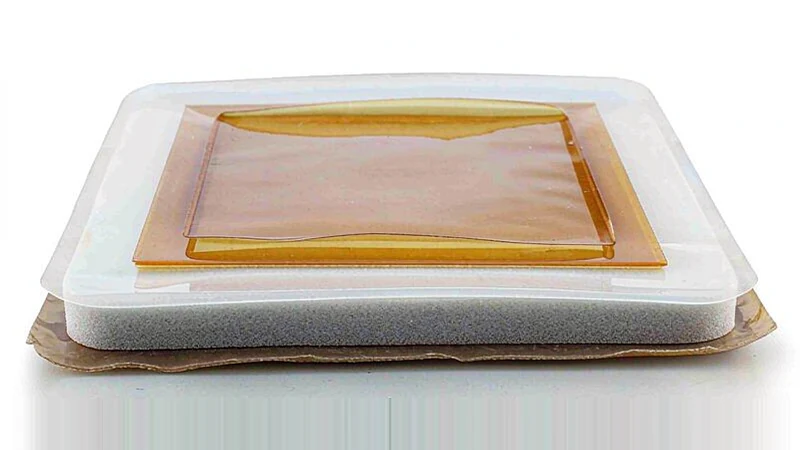
For electrical insulation, the critical issue is often the boundary of the protected area. PET or polyimide films may need to isolate a conductive surface while leaving controlled access around terminals, connectors, screws or mounting points.
A good dielectric material still needs accurate geometry to work as intended. If a cut edge sits too close to a conductive area or a narrow section shifts during assembly, insulation coverage can be reduced. Polyimide-based insulation materials can offer very high dielectric strength and strong temperature resistance; for example, some 1-mil Kapton-based constructions are rated around 7.5 kV dielectric strength and up to about 180°C insulation class. Precision die cutting helps keep the insulating boundary where it is needed, while thickness, dielectric strength and thermal resistance determine whether the material is suitable for the final operating environment.
EMI Shielding with Conductive Die Cut Materials
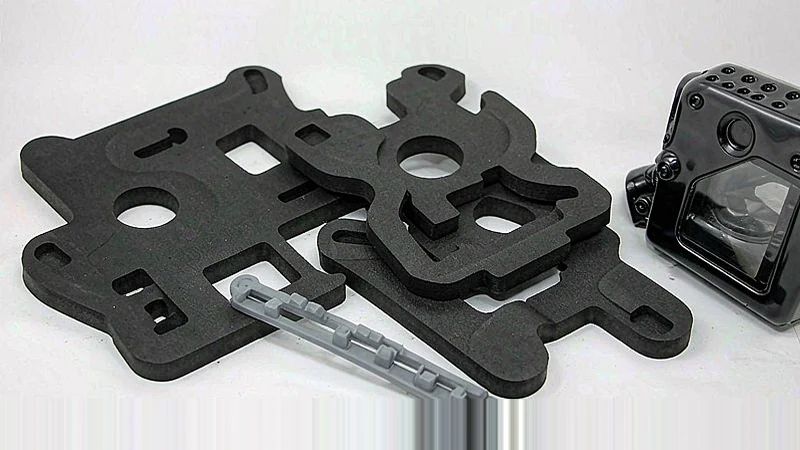
In automotive electronics, shielding is only effective when the conductive path remains continuous around the area being protected. This becomes more difficult as ADAS, communication and control modules are packed into smaller spaces, where enclosure joints, grounding points and nearby high-speed circuits can all become potential weak spots.
Conductive foam is often used where the material must compress across a gap and still maintain electrical contact, while copper foil and conductive fabric are more suitable for thin shielding zones or defined grounding areas. The material itself is only part of the solution. Contact pressure, recovery after compression, grounding continuity and stability under vibration or temperature cycling all affect how well the shield performs over time.
The die-cut part therefore needs to follow the intended shielding route closely, especially around joints and contact points. A well-defined shape helps keep the conductive material where it is needed without creating unnecessary overlap or interfering with surrounding components.
Die Cut Adhesive Materials for Automotive Bonding and Assembly
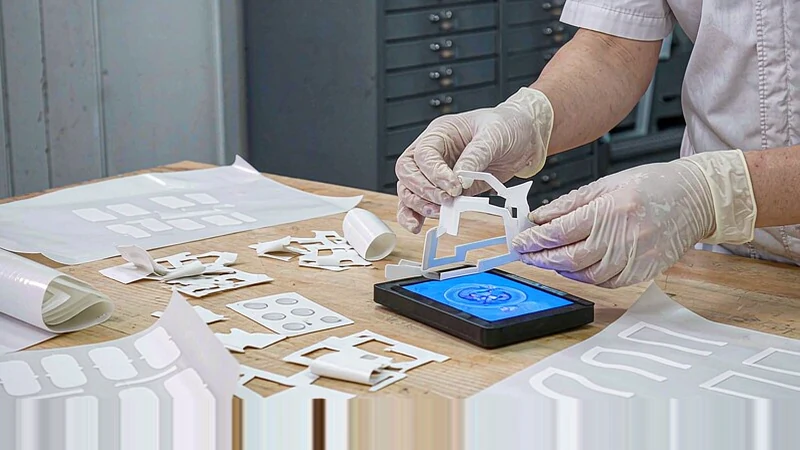
In automotive electronics, adhesive materials are often used where a low-profile attachment is preferred over clips, screws or brackets. Double-sided tapes, foam tapes and thermally conductive adhesives can hold displays, sensors and other lightweight parts in place without adding much thickness to the assembly.
Bonding performance depends heavily on the surfaces involved and the conditions the part will see in service. Metal, plastic and coated substrates can require different adhesive systems, while heat, vibration and humidity may change long-term holding strength. Precision die cutting helps control the bonded area from the start, so the adhesive follows the component geometry and can be applied with less trimming or adjustment during assembly.
Die Cut Foam and Sealing in Automotive Electronics
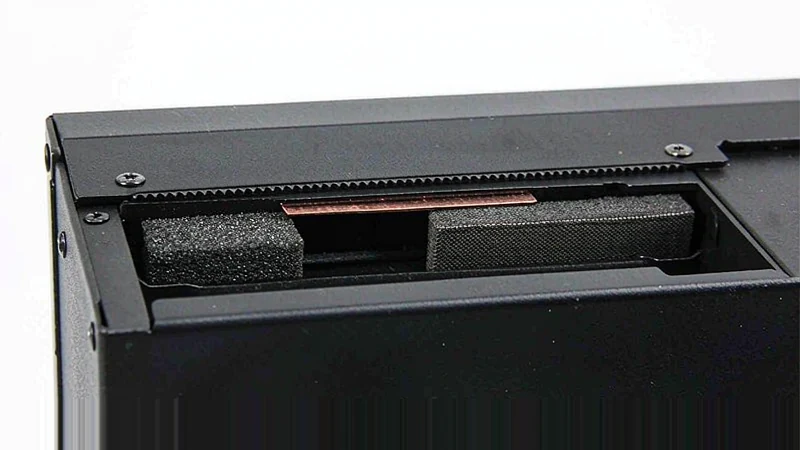
Foam and gasket materials are mainly used around housings, sensors and electronic modules to provide cushioning, spacing and basic protection against vibration, dust or moisture. Silicone foam, PU foam and similar materials can be die cut to follow irregular sealing paths or component outlines, with thickness and compression selected according to the actual gap and operating environment.
Multi-Layer Precision Die Cut Parts
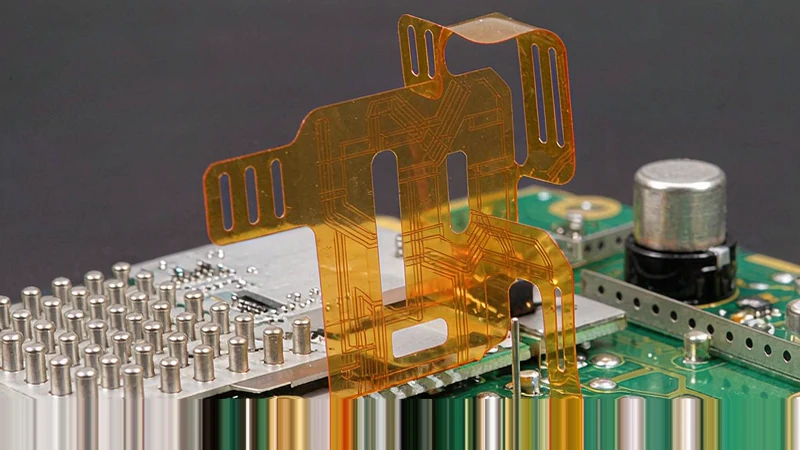
Once several layers are combined, the difficulty shifts from cutting a single material to controlling the behavior of the whole stack. Differences in thickness, softness and adhesive tack can lead to layer movement, uneven edges or unstable release, particularly around narrow features and closely spaced openings.
In automotive electronic parts, these issues usually need to be resolved before volume production begins. The order of lamination, alignment between layers, adhesive flow and liner structure all influence whether the finished part can hold its shape and be assembled consistently.
Key Design Factors in Precision Die Cutting
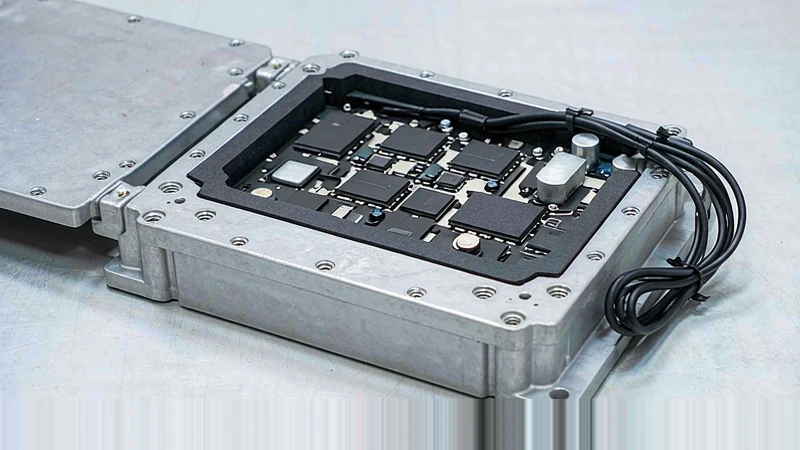
1. Material Thickness and Softness
Thin films and soft foams do not behave the same way during cutting. PET or PI films tend to hold their shape well, while thicker foams and thermal pads may compress or recover after the cut. That difference can affect the final dimensions, especially when the drawing includes tight tolerances.
2. Narrow Features and Small Openings
Small holes and narrow sections are often where converting becomes more difficult. Soft or thick materials may distort around these areas, and closely spaced cutouts can leave too little material to keep the part stable. In some designs, slightly increasing the feature size or surrounding clearance can make production more reliable without changing the function of the part.
3. Adhesive Flow and Edge Quality
Adhesive-backed parts bring another issue: the adhesive itself can move under cutting pressure. If the material stack or liner is not well matched to the process, squeeze-out, contaminated edges or difficult release may appear. These problems are often linked to adhesive thickness, pressure and liner behavior rather than the face material alone.
4. Tolerance and Production Method
Tolerance should be set with both the material and production method in mind. Flat-bed die cutting offers more flexibility for prototypes and smaller runs, while rotary die cutting is generally better suited to continuous, high-volume production. Feeding stability, registration and repeatability can vary between the two, so the process should be chosen around the part geometry and expected production volume.
FAQs About Automotive Die Cut Materials
1. What materials are commonly die cut for automotive electronics?
Common materials include thermal pads, graphite sheets, PET and polyimide films, adhesive tapes, foams, conductive fabric, conductive foam and copper foil. Each serves a different function, such as heat transfer, insulation, bonding, shielding or cushioning.
2. Where are precision die cut parts used in automotive electronics?
They are commonly used in EV battery systems, ECUs, onboard chargers, power modules, displays, sensors, lighting electronics and communication modules. These parts are usually designed around the actual component layout rather than supplied as standard shapes.
3. Can one die cut part combine several functions?
Yes. Multi-layer parts can combine materials with different functions, such as insulation, bonding, heat spreading or cushioning. The key is to make sure the full material stack remains stable during lamination, cutting and assembly.
4. What should be considered when selecting die cut materials for automotive use?
Material choice should reflect the real operating conditions of the part. Temperature, vibration, humidity, electrical requirements, gap size, compression and the surface being bonded can all affect long-term performance.
5. How accurate can precision die cutting be?
The achievable tolerance depends on the material, thickness, geometry and production method. Thin films usually hold tighter dimensions more easily than soft foams or thick thermal pads, while small holes and narrow sections may require additional design review.
6. Is rotary die cutting suitable for high-volume automotive parts?
Yes. Rotary die cutting is well suited to continuous, higher-volume production because it supports fast feeding and repeatable processing. Flat-bed die cutting is often more flexible for prototypes, smaller batches or parts that require frequent design changes.
Conclusion
Precision die cutting helps automotive electronic parts achieve the shape, fit and consistency required for demanding thermal, electrical and mechanical conditions. From thermal and insulation materials to conductive foams, adhesive tapes and multilayer parts, the final design should be based on the actual component structure, operating environment and production method. Reviewing material behavior, tolerance and assembly requirements early can also make volume production more stable and efficient.
Table of Contents
Related news
Company News
What Is Custom Precision Die Cutting? What Types of Custom Functional Components Is Xinyusheng Suitable For?
May 14,2026
Discover More
Company News
What Types of Thermal Interface Materials Can Be Die Cut?
August 29,2026
Discover More
Company News
How Material Type Affects Precision Die-Cutting Tolerances
August 14,2026
Discover More
