Why Die Cut Adhesive Tape Oozes and How to Prevent It?
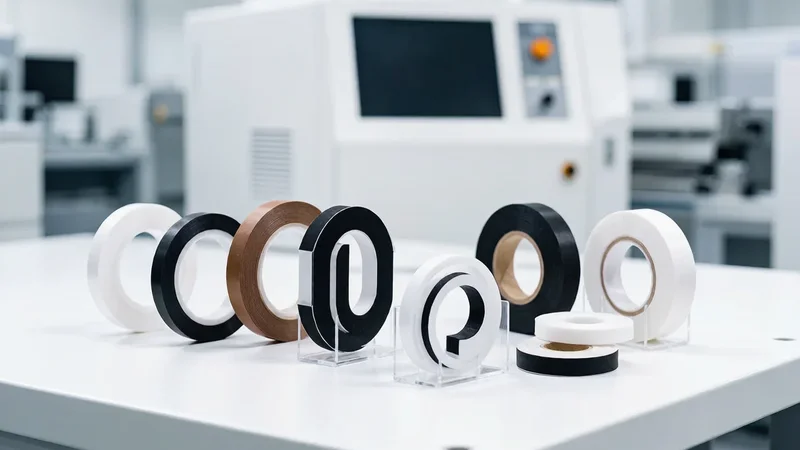
Die-cut adhesive tape can develop sticky edges, adhesive squeeze-out or parts that bond to each other during converting, storage or transportation. This problem is commonly described as adhesive ooze, adhesive bleed, edge bleeding or pressure-sensitive adhesive cold flow.
Oozing does not have a single cause. It can result from a soft adhesive formulation, excessive adhesive thickness, high temperature, compression, tight winding, unsuitable tooling, excessive die-cutting pressure or an incompatible liner. Effective prevention therefore requires reviewing the complete combination of material, part design, converting process, packaging and operating environment.
This guide explains how to recognize adhesive ooze, identify its root cause and control it before die-cut adhesive parts enter mass production.
What Does Adhesive Ooze Look Like on Die-Cut Parts?
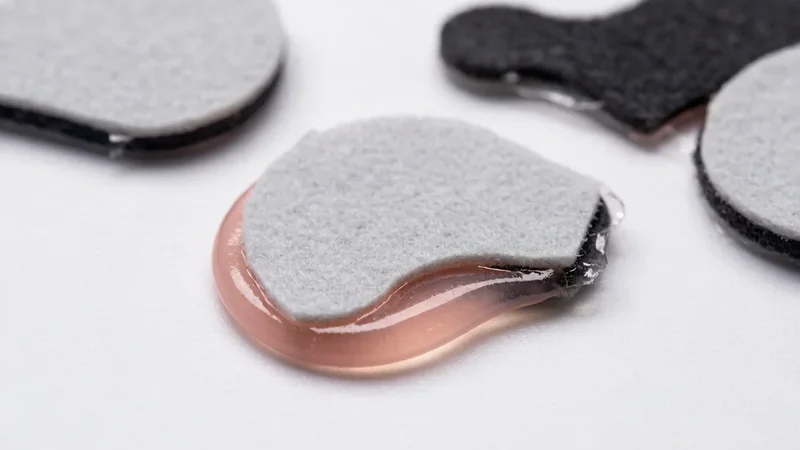
Adhesive ooze occurs when pressure-sensitive adhesive moves beyond the intended edge of a tape or die-cut component. The movement may be visible immediately after converting, or it may develop gradually during storage, transportation or application.
Common signs include:
- Sticky or wet-looking die-cut edges
- Adhesive extending beyond the foam, film or carrier
- Finished parts sticking to adjacent parts
- Adhesive transferring onto the release liner
- Matrix waste breaking or stretching during stripping
- Adhesive residue accumulating on cutting tools
- Parts becoming difficult to pick from the liner
- Contamination of optical, electrical or cosmetic areas
- Dimensional changes after prolonged storage
- Adhesive squeezing out after assembly pressure is applied
The pattern of the defect often provides an early indication of its cause. Uniform squeeze-out around the entire perimeter usually points to soft adhesive, excessive compression or storage pressure. Localized ooze near corners or narrow sections may be related to uneven die pressure, part geometry or local stress.
An entire roll with sticky edges should first be checked for slitting quality, winding tension and high-temperature exposure rather than treated only as an individual die-cutting defect.
Why Does Pressure-Sensitive Adhesive Ooze?
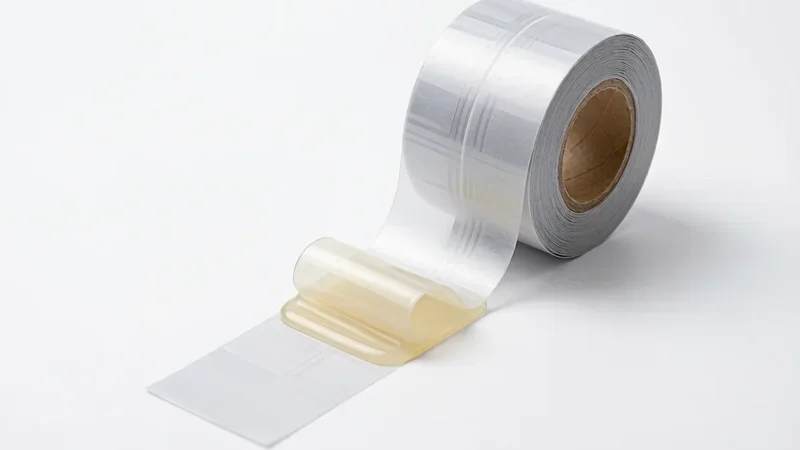
Pressure-sensitive adhesive, or PSA, is viscoelastic. It needs sufficient flow to wet the bonding surface, but it must also maintain enough internal strength to remain within the intended structure.
When temperature rises, many adhesives become softer and more mobile. If the adhesive is simultaneously exposed to compression, winding pressure, stacking weight or a constant assembly load, it can gradually move toward an open edge. This time-dependent movement is often called cold flow, even though the problem may become more severe at elevated temperatures.
The risk depends on the balance between two properties:
- Adhesion describes how effectively the adhesive bonds to another surface.
- Cohesion describes how effectively the adhesive holds itself together.
A PSA with high initial tack but insufficient cohesive or shear strength may bond quickly while still being vulnerable to edge ooze. For this reason, selecting a tape only according to peel adhesion can lead to problems during converting or long-term use.
The carrier and liner also influence stability. A carrier-supported double-sided tape normally provides more dimensional control than an unsupported transfer adhesive. A compressible foam can store mechanical stress during die cutting and later push adhesive toward the cut edge as the foam recovers.
Main Causes of Ooze in Die-Cut Adhesive Tape
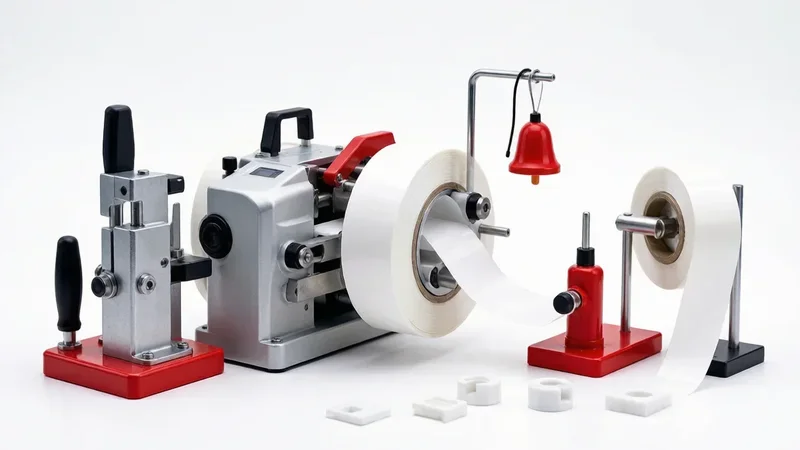
1. Soft Adhesive or Excessive Coat Weight
A soft PSA can provide good wet-out on rough or low-surface-energy substrates, but it may also have a higher tendency to flow under heat and pressure. The risk increases when the adhesive layer is unnecessarily thick.
This does not mean that high-tack or thick adhesives are unsuitable for die cutting. It means that adhesive type, coat weight and shear performance must match the component structure and operating environment.
Potential warning signs include:
- Raw tape edges are already sticky before converting
- Ooze appears across several tooling or pressure settings
- The problem becomes worse after warm storage
- Adhesive strings form during matrix stripping
- Edge bleeding occurs on both sides of the carrier
Material comparison should include the adhesive chemistry, thickness, static shear, service temperature and recommended storage conditions—not peel strength alone.
2. High Temperature and Humidity
High temperature lowers the viscosity of many PSA systems and accelerates cold flow. Risk can increase during summer transportation, storage near heat sources or use inside electronic and automotive assemblies.
High humidity may also affect paper liners by causing curl, expansion or changes in dimensional stability. This can alter web tracking, die-cut registration and stripping performance even if moisture is not the direct cause of adhesive flow.
Materials should be conditioned before processing when they move between environments with large temperature differences. Storage limits must follow the tape manufacturer’s technical data sheet rather than a single universal temperature and humidity rule.
3. Excessive Die-Cutting Pressure
Die-cutting pressure must be sufficient to produce a complete, clean cut. However, excessive pressure can compress the adhesive layer and force it toward the cut edge.
This is especially important for:
- Adhesive-backed foam gaskets
- Thick double-sided tape
- Acrylic foam tape
- Soft thermal or cushioning materials
- Multilayer laminated constructions
- Narrow parts with limited edge width
Evidence of excessive pressure may include deep liner impressions, locally flattened foam, adhesive buildup around the perimeter or improvement after pressure is reduced.
For kiss cutting, the objective is to cut the required material layers without unnecessarily penetrating or deforming the release liner. Tool height, cutting depth, press parallelism and pressure distribution should be checked together.
4. Dull or Unsuitable Cutting Tools
A dull die compresses and drags the material before completing the cut. This creates more deformation and heat than a sharp, well-maintained cutting edge. It may also pull adhesive into the cut line and leave rough or sticky edges.
Tool design should reflect the material stack. Soft foam, thin transfer adhesive, conductive fabric and copper foil laminates do not necessarily respond to the same blade angle or cutting process.
The converter should review:
- Blade sharpness and wear
- Blade angle and tool type
- Cutting depth
- Machine speed
- Material thickness variation
- Liner hardness and thickness
- Adhesive accumulation on the tool
- Clearance around small holes and narrow walls
Tool cleaning can temporarily reduce contamination, but repeated adhesive buildup normally indicates that the underlying material or process condition still needs correction.
5. Tight Winding and Excessive Lamination Pressure
Web tension is an important but frequently overlooked cause of adhesive ooze.
When tape or laminated material is wound too tightly, every inner layer is exposed to sustained pressure. If the adhesive is soft or the roll is stored in a warm environment, this pressure can push adhesive toward the roll edge.
A similar problem can occur when excessive nip pressure is used during lamination. More pressure does not always produce a better laminate. It can compress foam, distort the carrier or cause early edge squeeze-out.
Practical controls include:
- Avoiding unnecessary winding tension
- Adjusting tension as roll diameter changes
- Using shorter rolls when material stability requires it
- Preventing finished rolls from being manually over-tightened
- Verifying nip pressure during lamination
- Allowing compressed foam structures to recover before inspection
- Checking roll edges before and after storage
If the raw roll edge is clean before processing but sticky after rewinding, winding conditions should be investigated before changing the adhesive specification.
6. Poor Part Geometry, Liner or Packaging Design
Part design directly affects whether a material can be converted and stored reliably. Extremely narrow walls, closely spaced parts and sharp internal corners can concentrate pressure and complicate matrix stripping.
A liner that is too thin may not provide enough support. A release level that is too high can make parts difficult to remove, while one that is too low may allow parts to move during processing or transportation.
Packaging can create additional pressure when:
- Finished parts are stacked too high
- Heavy items are placed on the package
- Bags are compressed too tightly
- Rolls are packed under excessive radial pressure
- Parts are exposed to heat during transportation
- The selected packaging does not keep sheets flat
Possible design improvements include wider edge areas, rounded corners, adjusted part spacing, reinforced liners, extended liners or pull tabs. These changes must be assessed against the final assembly requirements.
How to Identify the Root Cause?
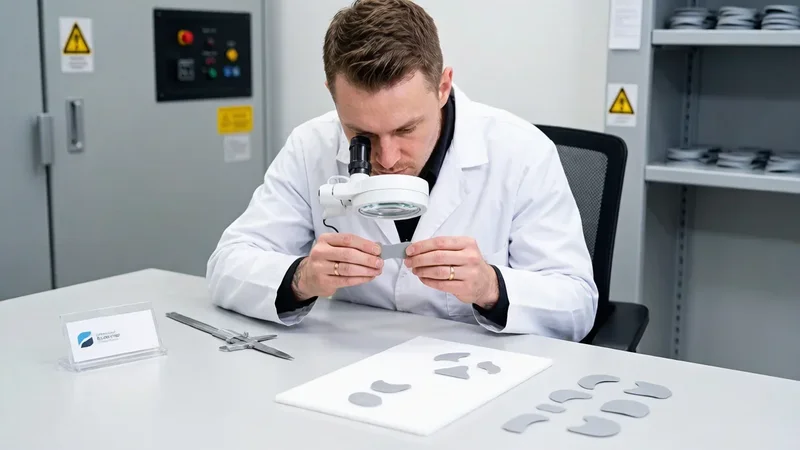
The stage at which adhesive ooze first appears is one of the most useful diagnostic clues.
A controlled trial should change one major variable at a time. For example, samples can be produced using different die pressures while material batch, speed and packaging remain constant. This provides more reliable evidence than changing the material, tool and press settings simultaneously.
A useful investigation sequence is:
- Inspect the unprocessed raw material.
- Check parts immediately after each converting stage.
- Recheck samples after a defined resting period.
- Compare samples stored under normal and elevated-temperature conditions.
- Compare different die pressures, winding tensions or liners.
- Reproduce the intended packaging and assembly pressure.
- Record the defect location, severity and time of appearance.
How to Prevent Adhesive Ooze During Die Cutting?
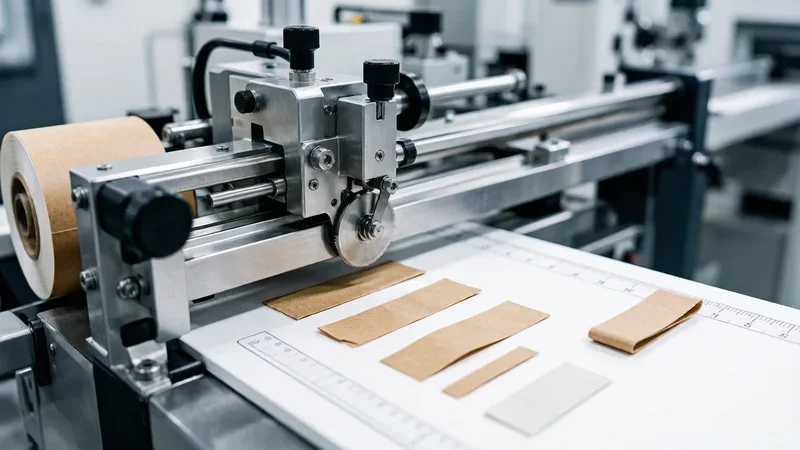
Review the Application Before Selecting Tape
The adhesive must be chosen according to actual operating requirements. Important information includes substrate material, surface energy, surface texture, service temperature, chemical exposure, loading direction and expected product life.
A tape with very high initial tack may not be the best option when the component will be exposed to sustained heat or shear load. When possible, compare candidate materials through both adhesion and converting trials.
Inspect and Condition Incoming Materials
Incoming inspection should include roll-edge condition, adhesive contamination, liner damage, curl, telescoping and visible thickness variation.
Materials moved from a cold warehouse into a warmer production area may need time to reach processing conditions before opening or converting. This helps reduce condensation, liner distortion and inconsistent web behavior.
Control Slitting, Lamination and Web Tension
Slitting tools should remain sharp and clean. Winding tension should keep the web stable without creating excessive roll pressure. Lamination should achieve uniform contact without unnecessarily compressing the adhesive or foam.
For multilayer structures, verify alignment and thickness after lamination. Accumulated thickness variation can produce uneven die pressure in later operations.
Optimize the Die-Cutting Setup
The die should produce a clean edge with the minimum effective pressure. Process development should consider:
- Material stack thickness
- Adhesive softness
- Foam compressibility
- Carrier strength
- Liner construction
- Small features and internal corners
- Cutting speed
- Tool condition
- Kiss-cut depth
- Press flatness and pressure distribution
First-article inspection should not be limited to part dimensions. Cut-edge quality, liner damage and adhesive displacement should also be examined.
Improve Matrix Stripping
Matrix stripping can expose adhesive and pull it along the edge if stripping speed, angle or web support is unsuitable. Narrow waste areas are particularly likely to break or stretch.
Increasing spacing, changing the stripping direction, adding support or adjusting speed may improve performance. The best solution depends on the part layout and material behavior.
Control Packaging and Storage Pressure
Finished die-cut adhesive parts should be protected from heat, direct sunlight, excessive stacking and unnecessary compression. Packaging must keep the product flat and clean without forcing adhesive toward the edges.
Storage and shelf-life requirements should follow the specific tape manufacturer’s documentation. When products will experience demanding transportation conditions, packaged samples should be validated before mass shipment.
How Material Type Affects Ooze Risk?
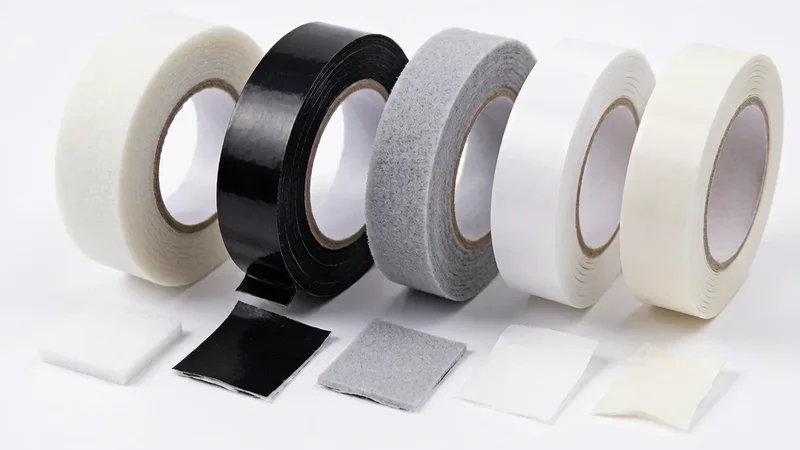
Different PSA constructions behave differently during die cutting, but no category can be considered universally ooze-proof.
Rubber-based adhesives often provide strong initial tack and good wet-out. Some formulations may soften more noticeably under heat, so temperature and shear performance require careful review.
Acrylic adhesives generally offer good aging and environmental resistance. Their actual cold-flow behavior still depends on formulation, coat weight and service conditions.
Silicone adhesives are used for demanding surfaces or temperature environments. They require compatible liners and specialized converting controls.
Hot-melt adhesives can provide high tack and efficient bonding, but softer formulations may be more sensitive to edge bleeding, roll pressure and elevated storage temperatures.
Transfer tapes contain adhesive without a permanent carrier. They can conform well to complex surfaces, but the lack of carrier support may make handling and dimensional control more demanding.
Double-coated tapes include a film, tissue, nonwoven or other carrier. The carrier can improve converting stability, although adhesive can still ooze from either side.
Acrylic foam tapes accommodate gaps and support structural bonding, but their thickness and viscoelastic construction require suitable tooling, compression control and part geometry.
Material selection should therefore be based on verified data and application testing, not only on the general adhesive family.
How to Test Die-Cut Adhesive Parts Before Mass Production?
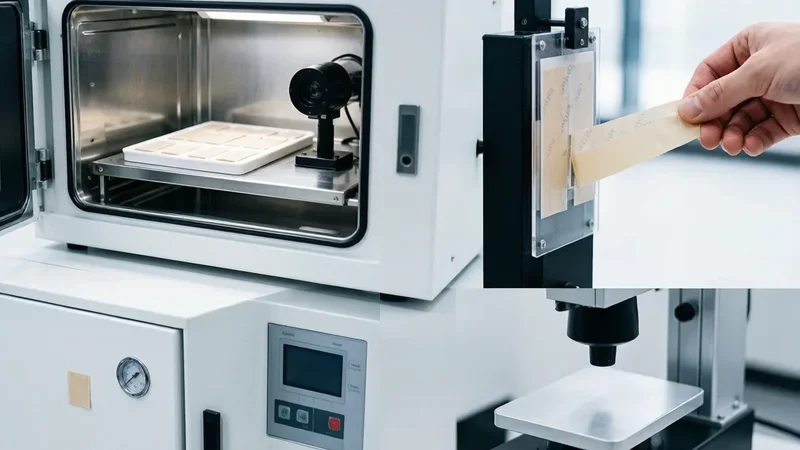
A sample that looks acceptable immediately after cutting may still develop sticky edges during storage. Validation should represent the complete product lifecycle.
Depending on the application, the test plan may include:
- Visual inspection of the complete perimeter
- Dimensional measurement after die cutting
- Thickness and compression-recovery checks
- Release-liner removal assessment
- Peel adhesion testing
- Static shear or holding-power testing
- Temperature aging
- Humidity exposure
- Stacking or compression testing
- Packaged transportation simulation
- Reinspection after a defined storage period
- Trial installation on the actual substrate
- Functional testing after assembly
Test temperature, duration, load and acceptance criteria should be based on the selected material’s technical data and the customer’s application—not arbitrary universal values.
Can Oozing Die-Cut Tape Still Be Used?
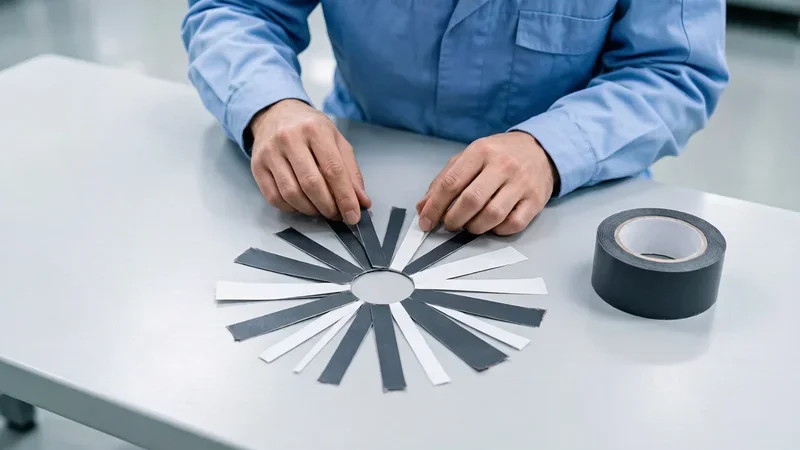
An oozing part should not be accepted simply because it still feels sticky. Adhesive performance is only one part of product suitability.
Before use, confirm that:
- Critical dimensions remain within tolerance
- Adhesive has not entered functional areas
- Parts can be removed from the liner consistently
- Automatic feeding or placement is not affected
- Adhesion and shear requirements are still met
- The part does not continue to squeeze out after assembly
- Cosmetic surfaces remain clean
- Packaging and handling are not compromised
Cleaning the edge may remove visible residue, but it can also change adhesive coverage or introduce contamination. Parts used in electrical, optical, medical or safety-related applications should follow the approved quality process rather than being manually reworked without validation.
Information to Send Your Die-Cutting Supplier
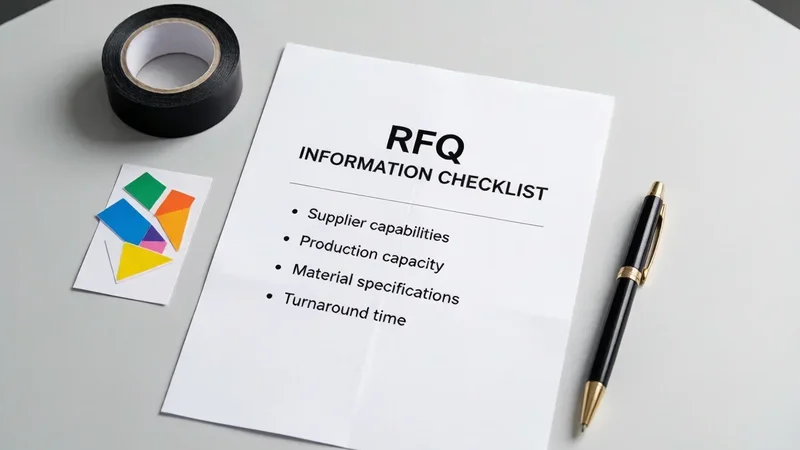
Accurate troubleshooting requires more than a photograph of the defect. When requesting a quotation or root-cause review, provide:
- Tape manufacturer and material grade
- Adhesive chemistry and thickness, if known
- Carrier, foam or functional material
- Release-liner type
- Drawing and critical tolerances
- Final bonding substrate
- Service temperature and environment
- Storage and transportation conditions
- Packaging format
- Application pressure and assembly method
- Stage at which ooze first appears
- Defect photographs and affected samples
- Required adhesion, shear or aging tests
- Expected production quantity and delivery format
This information helps the converter determine whether the solution requires a material change, design adjustment, tooling improvement, process optimization or packaging revision.
How Xinyusheng Supports Die-Cut Adhesive Projects?
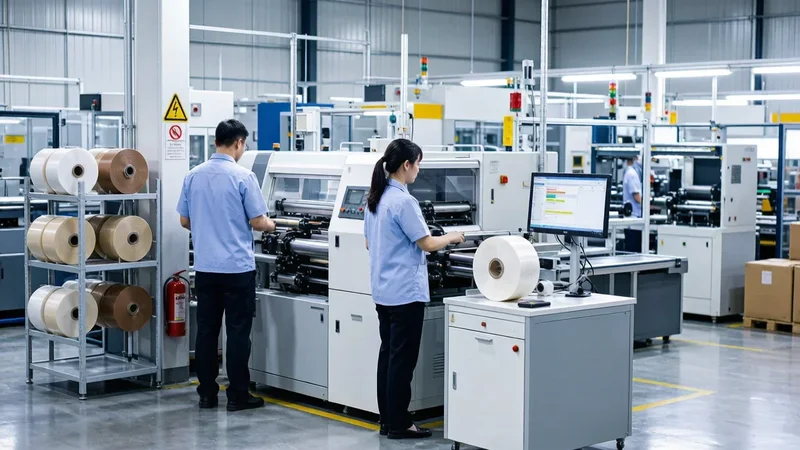
Xinyusheng provides custom precision die-cutting support for adhesive tape, foam, conductive materials, insulation films, copper foil and other functional materials.
For adhesive-backed components, the process can include application review, material evaluation, drawing and structure review, sample development, die-cutting parameter adjustment, dimensional inspection and packaging assessment. Samples can be checked before mass production to determine whether the selected material and construction remain stable during converting, storage and assembly.
If your current parts have sticky edges, liner-release problems or adhesive squeeze-out, send Xinyusheng the material information, drawing, operating environment and defect samples. Our team can help review where the problem occurs and develop a more suitable die-cutting solution.
Frequently Asked Questions
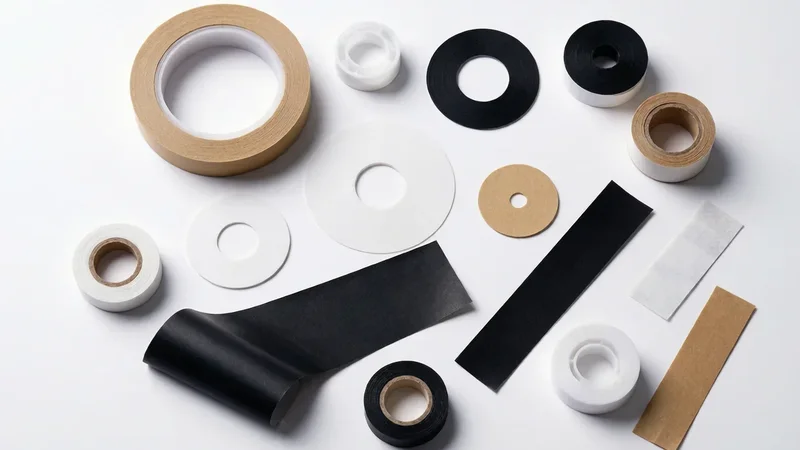
What is adhesive ooze in die-cut tape?
Adhesive ooze is the movement of pressure-sensitive adhesive beyond the intended cut edge. It may make the edges sticky, contaminate the liner or cause finished parts to bond together.
Is adhesive ooze the same as cold flow?
Cold flow is one mechanism that causes adhesive ooze. It describes the gradual movement of a viscoelastic adhesive under time, temperature and pressure.
Why do die-cut tape edges become sticky after storage?
The adhesive may soften or move under elevated temperature, stacking pressure or long-term compression. Tight packaging and unsuitable storage conditions can increase the problem.
Can excessive die-cutting pressure cause adhesive squeeze-out?
Yes. Excessive pressure can compress the adhesive or foam and push adhesive toward the cut perimeter. Tool condition, cutting depth and pressure distribution should be checked.
Are transfer tapes more likely to ooze?
Transfer tapes do not have a permanent carrier, so some constructions can be more difficult to handle and dimensionally control. Actual risk still depends on adhesive formulation, thickness, temperature, pressure and liner selection.
How can adhesive ooze be tested before production?
Inspect samples immediately after converting and again after representative storage, temperature, compression, packaging and assembly tests. Also verify dimensions, liner release, peel adhesion and shear performance.
Table of Contents
Related news
Company News
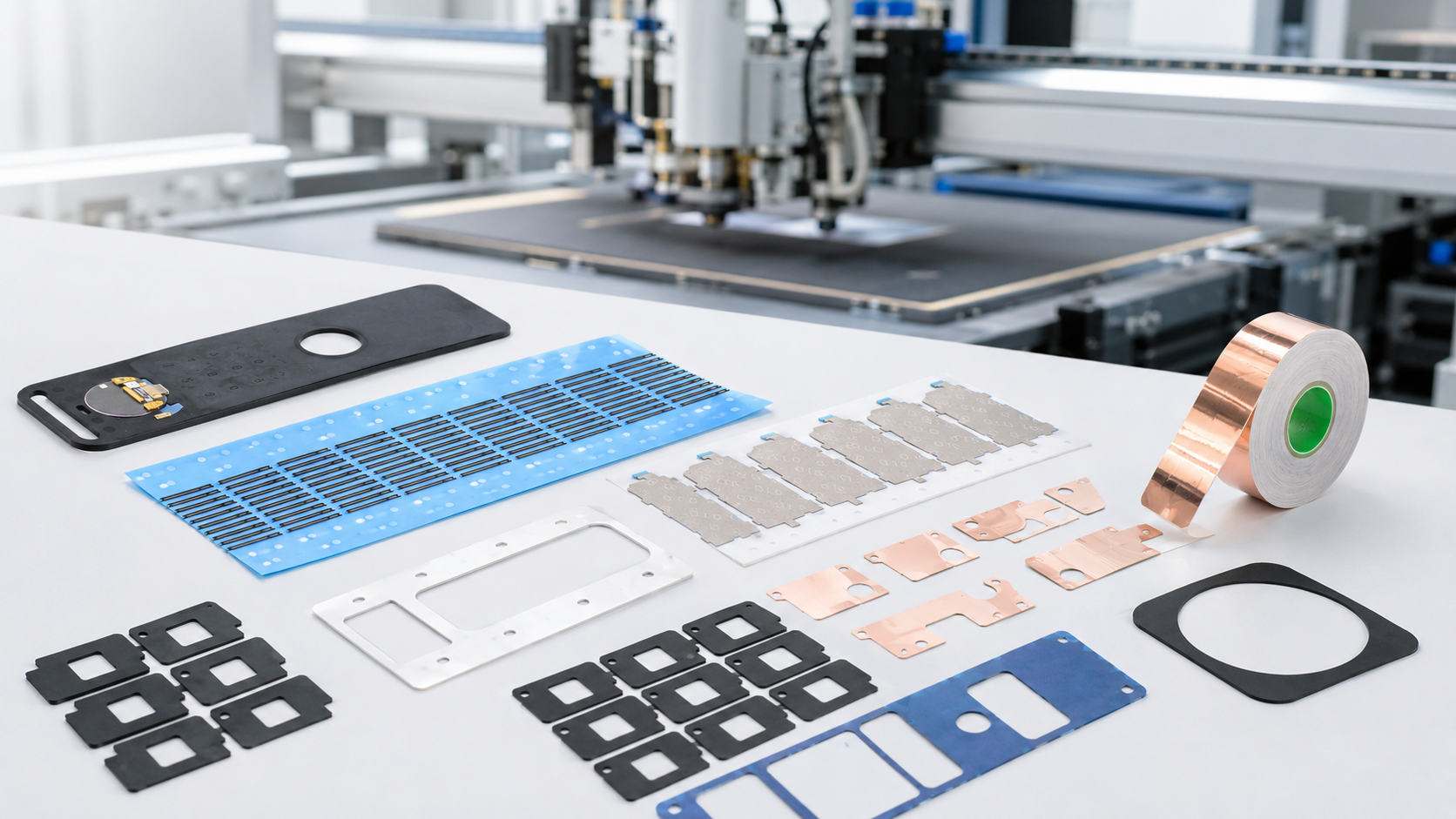
What Is Custom Precision Die Cutting? What Types of Custom Functional Components Is Xinyusheng Suitable For?
May 14,2026
Discover More
Company News
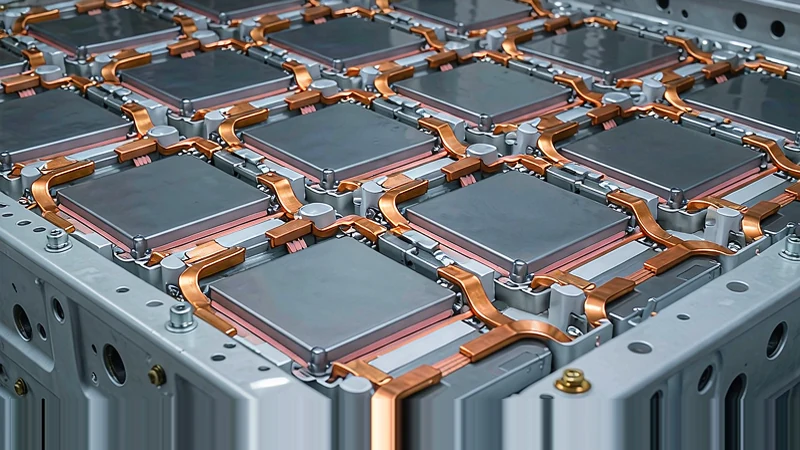
How Are Die Cut Materials Used in Automotive Electronics?
August 29,2026
Discover More
Company News
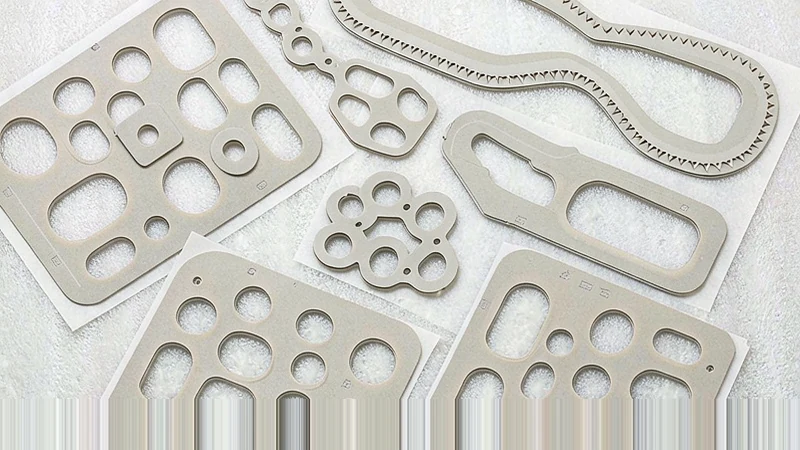
What Types of Thermal Interface Materials Can Be Die Cut?
August 29,2026
Discover More
