EV Battery Die Cut Components: Insulation, Sealing and Thermal Management
Abstract
EV battery packs are becoming more compact, higher in energy density and more demanding in safety design. Behind the cells, busbars, cooling plates and modules, many small functional parts support the real reliability of the pack: insulation films, sealing gaskets, thermal pads, thermal insulation barriers, heating films, adhesive tapes and cushioning foams. These EV battery die cut components may look simple, but they help manage electrical isolation, moisture protection, heat transfer, heat blocking, vibration absorption and assembly consistency. This guide explains how engineers and purchasing teams can select the right die cut parts for battery pack design, validation and mass production.
Why EV Battery Die Cut Components Matter in Modern Battery Packs?
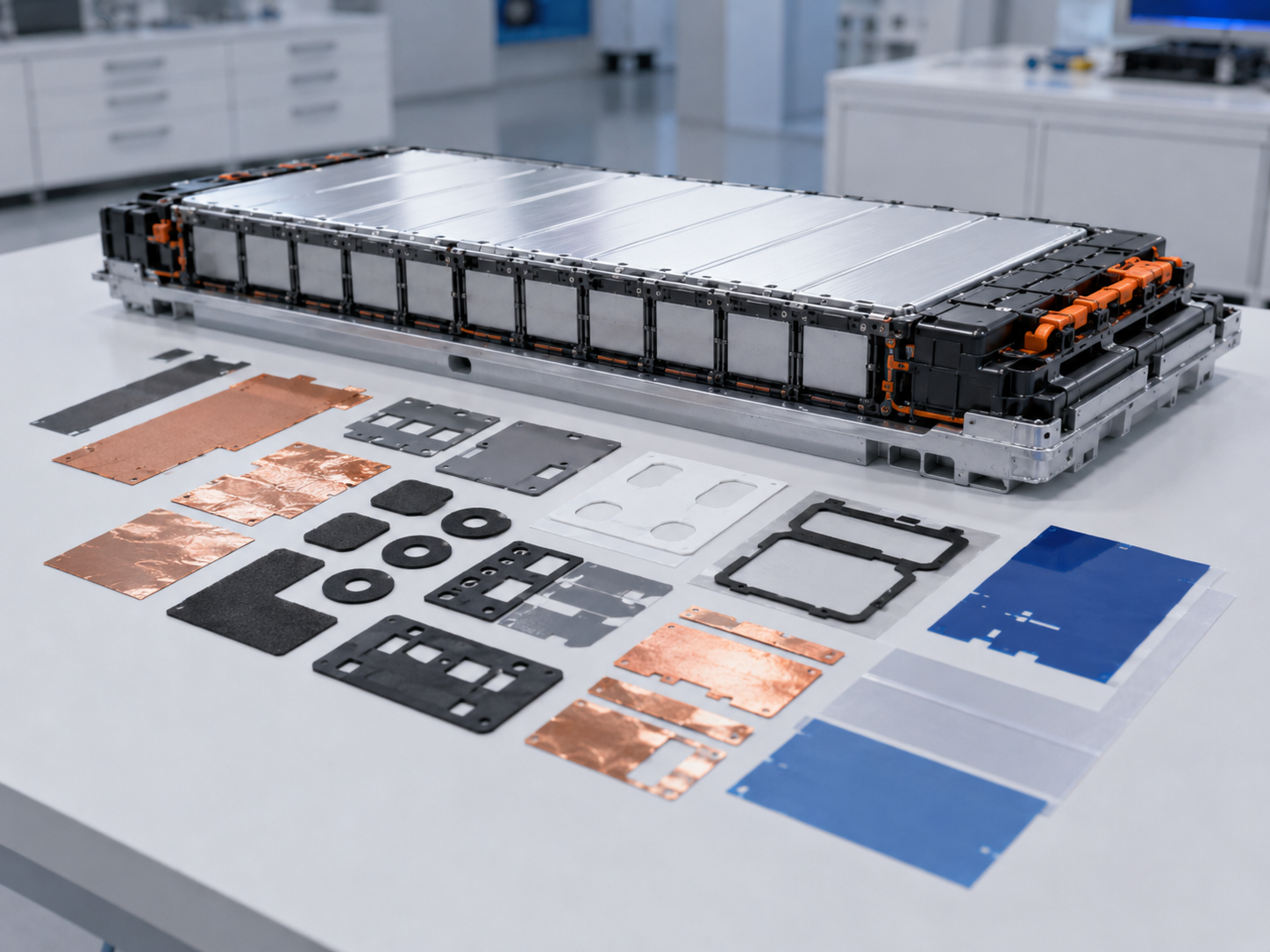
EV battery design is moving in two directions at the same time: higher performance and stricter safety expectations. Global electric car sales topped 17 million in 2024, rising by more than 25%, which means battery platforms are no longer niche engineering projects but large-scale industrial systems.
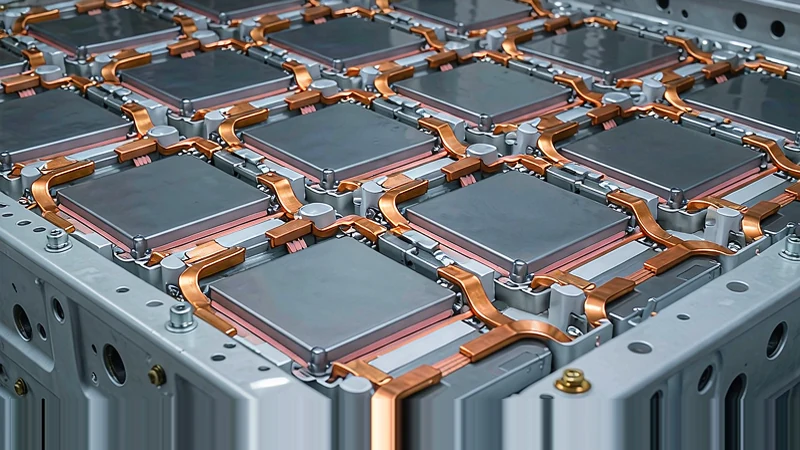
As pack architecture becomes denser, small material decisions become more important. A battery pack needs to isolate electrical paths, control thermal transfer, protect against moisture and dust, cushion mechanical stress and support repeatable assembly. EV battery die cut components are often used exactly at these interfaces.
They are not “accessory parts.” They are functional layers between cells, modules, cooling structures, covers, busbars, sensors and housings. If the part is too thick, too soft, too rigid, poorly bonded or inaccurately cut, it may affect compression, sealing, heat flow or assembly yield.
EV Battery Insulation Pads and Die Cut Insulating Films
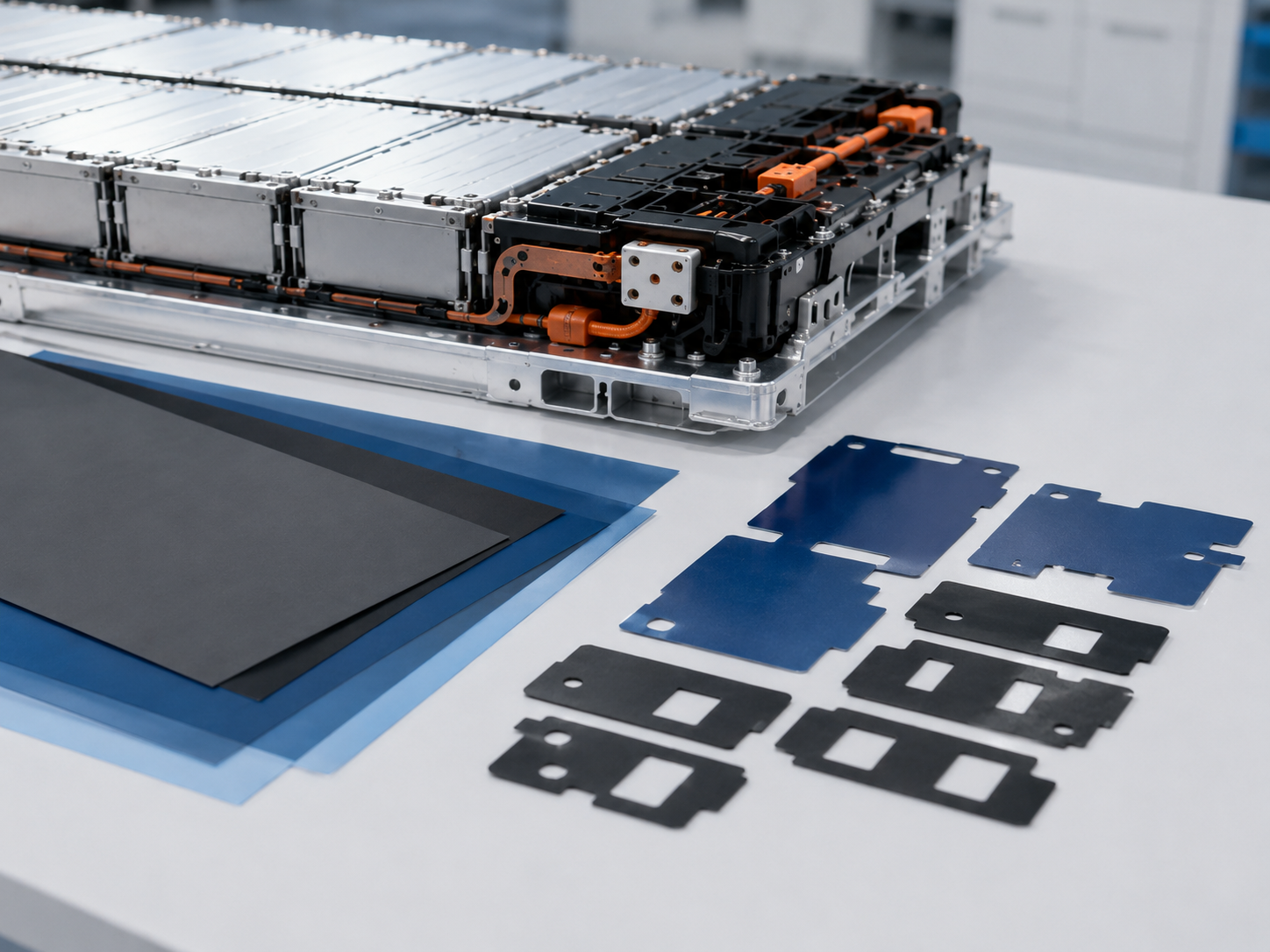
Electrical insulation is one of the most common functions in EV battery packs. Die cut insulation films are used to separate conductive parts, protect module surfaces, isolate busbars, cover cell edges or prevent contact between metal structures.
Common materials include PET, PI, PC, PP, flame-retardant films, insulating adhesive films and laminated insulation structures. The right choice depends on voltage level, temperature, dielectric strength, flame resistance, thickness and assembly method.
Where Insulation Parts Are Used?
Battery Pack Area | Typical Die Cut Part | Main Purpose |
Cell side / cell top | PET or PI insulation film | Prevent electrical contact |
Busbar area | Insulating cover film | Reduce short-circuit risk |
Module frame | Insulation pad | Separate metal and electrical parts |
Cooling plate contact area | Insulating thermal layer | Balance isolation and heat transfer |
Pack cover | Protective insulation sheet | Prevent abrasion and contact damage |
For engineers, the key is not only choosing “an insulation material.” The part must match the shape, hole position, bending area, bonding side and assembly tolerance of the battery structure.
Battery Pack Sealing Gasket Design for Moisture and Dust Protection
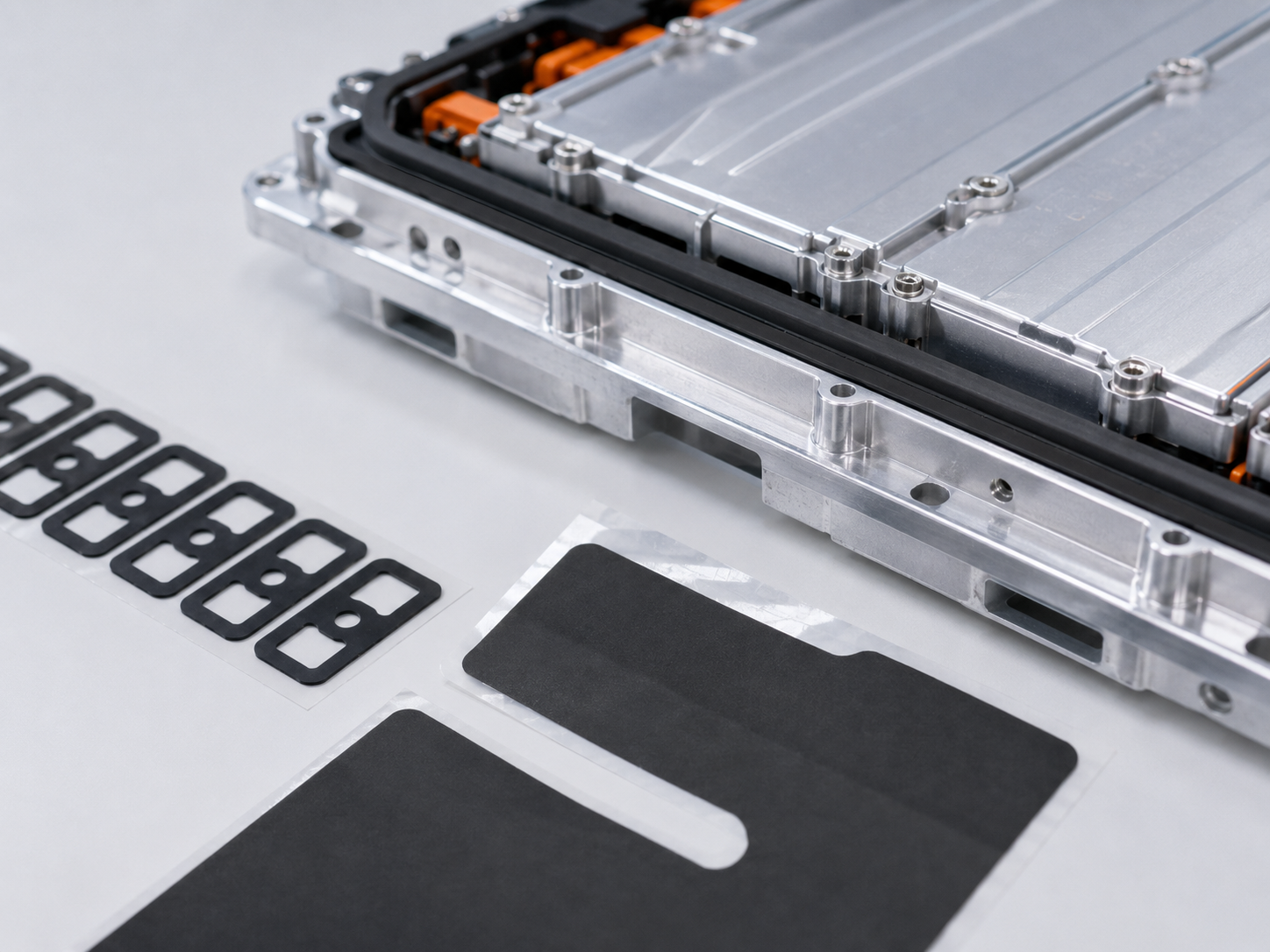
Battery pack sealing gaskets help reduce water, dust and environmental contamination entering sensitive areas. In EV design, sealing is not a single material decision. It depends on compression, housing structure, screw force, gasket thickness, surface flatness and long-term compression set.
Common die cut sealing materials include EPDM foam, silicone foam, PU foam, acrylic foam tape, rubber gasket materials and adhesive-backed sealing strips.
What Engineers Should Check?
Selection Factor | Why It Matters |
Compression ratio | Too little compression may leak; too much may deform the gasket |
Rebound and compression set | Affects long-term sealing after aging |
Adhesive type | Determines assembly stability and handling |
Temperature resistance | Important near cells, cooling systems and power electronics |
Waterproof requirement | Should match the actual pack location and test target |
Dimensional tolerance | Critical around corners, holes and enclosure seams |
A good battery pack sealing gasket should be evaluated in the actual compression structure, not only by material data sheet.
Thermal Management Die Cut Components for EV Battery Packs
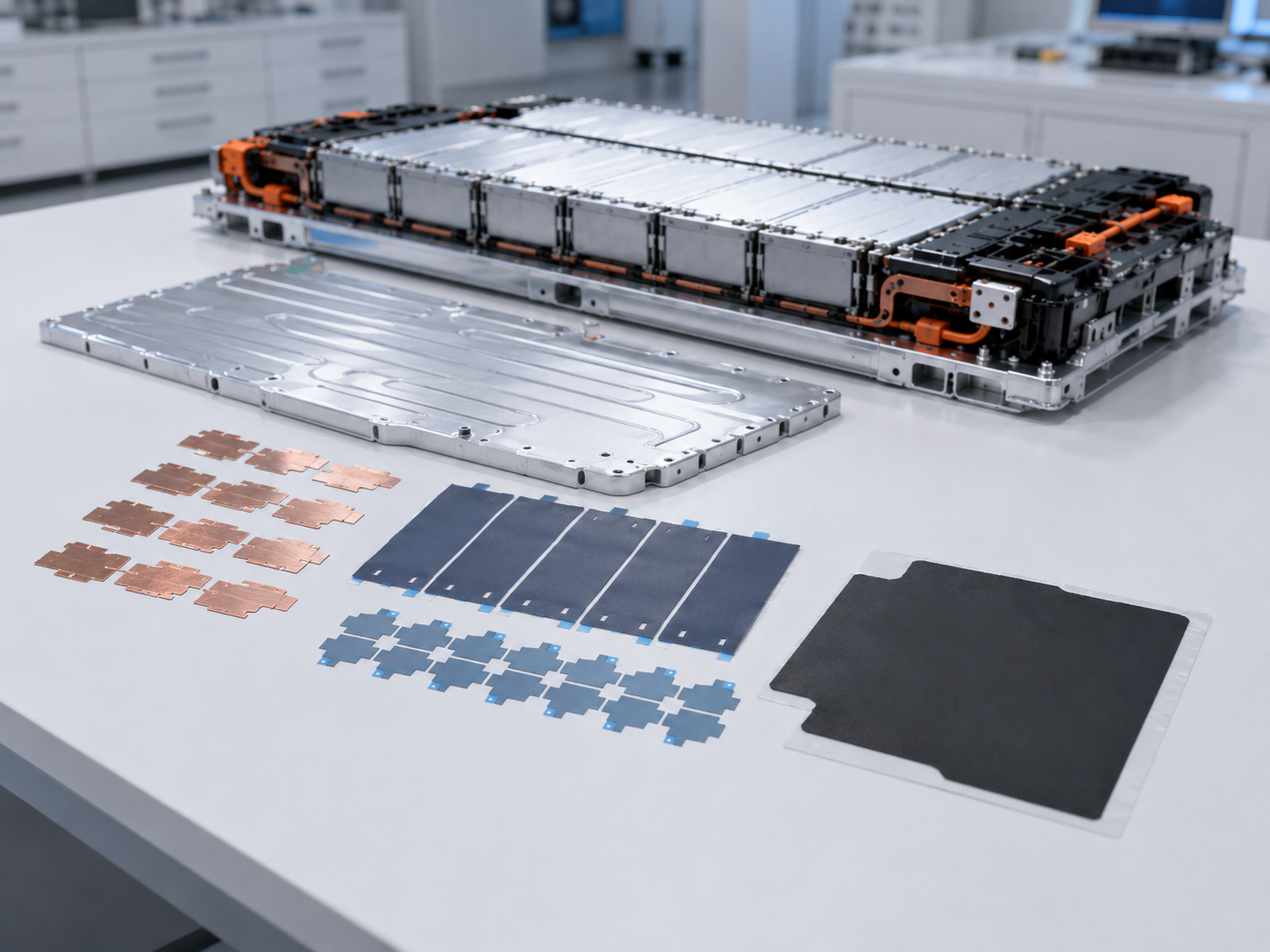
Battery thermal management is about keeping the pack within a safe and efficient temperature range. NHTSA notes that thermal management systems keep batteries within the pack at an optimal temperature, including under harsher environments.
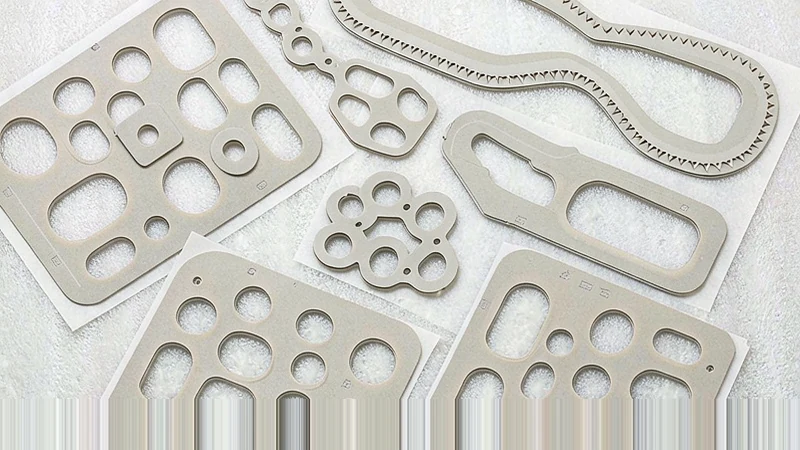
Die cut thermal interface materials are used to transfer heat from cells or modules to cooling plates, heat spreaders or structural parts. Common parts include thermal pads, thermal tapes, graphite heat spreaders, phase-change materials and thermally conductive insulation pads.
Thermal Materials by Function
Material Type | Main Role | Typical Design Concern |
Thermal pad | Fill gap and transfer heat | Thickness, compression, thermal conductivity |
Thermal tape | Bond and conduct heat | Adhesion, thin gap, assembly pressure |
Graphite sheet | Spread heat laterally | Insulation layer, edge protection, bending |
Thermally conductive film | Conduct and insulate | Dielectric strength and thermal path |
Phase-change material | Reduce interface resistance | Operating temperature and stability |
The best thermal solution is rarely one material alone. A battery pack may need thermal pads for vertical heat transfer, graphite for spreading, insulation film for electrical isolation and adhesive layers for process control.
Thermal Insulation Pads and Heat Barriers for Battery Safety
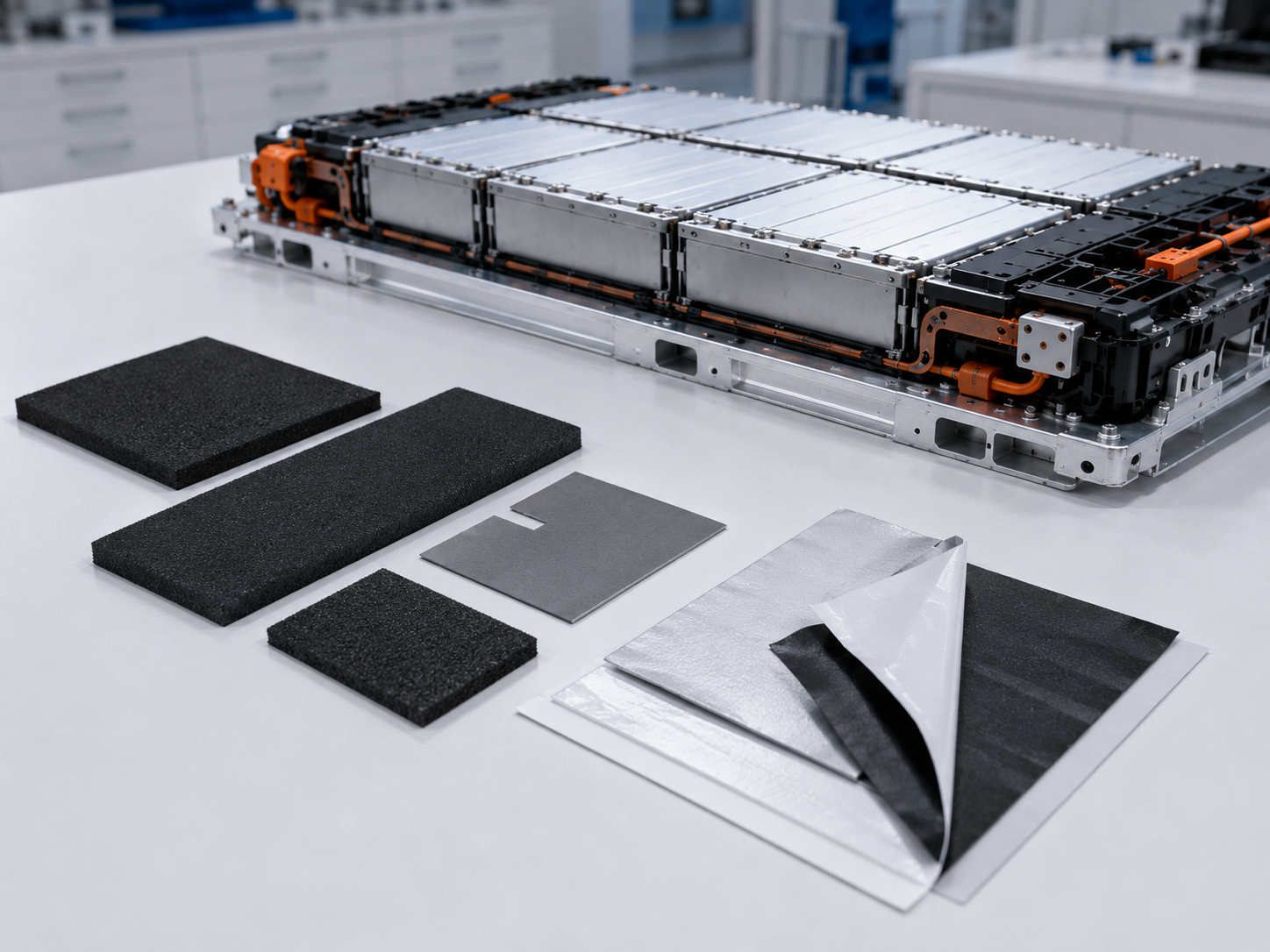
Thermal management transfers heat where it should go. Thermal insulation prevents heat from going where it should not go. This difference matters.
Thermal insulation pads and heat barriers are used between cells, around module boundaries, near pack covers or around sensitive structures to slow heat transfer, protect adjacent components and support safety design. NHTSA’s Battery Safety Initiative focuses on research and activities related to safety risks from EV batteries, showing how battery safety has become a dedicated regulatory and engineering concern.
Common material options include aerogel insulation, mica sheets, ceramic fiber materials, silicone foam, flame-retardant insulation sheets and composite insulation laminates.
Thermal Conduction vs Thermal Insulation
Requirement | Better Material Direction |
Move heat to cooling plate | Thermal pad, thermal tape, conductive film |
Spread local heat | Graphite sheet, heat spreader |
Slow heat transfer between zones | Thermal insulation pad, mica, aerogel, ceramic fiber |
Combine insulation and bonding | Laminated insulating adhesive structure |
Protect against vibration and heat | Foam + insulation composite |
For EV battery die cut components, the design challenge is often combining functions without increasing thickness too much.
Battery Heating Films for Low-Temperature Performance
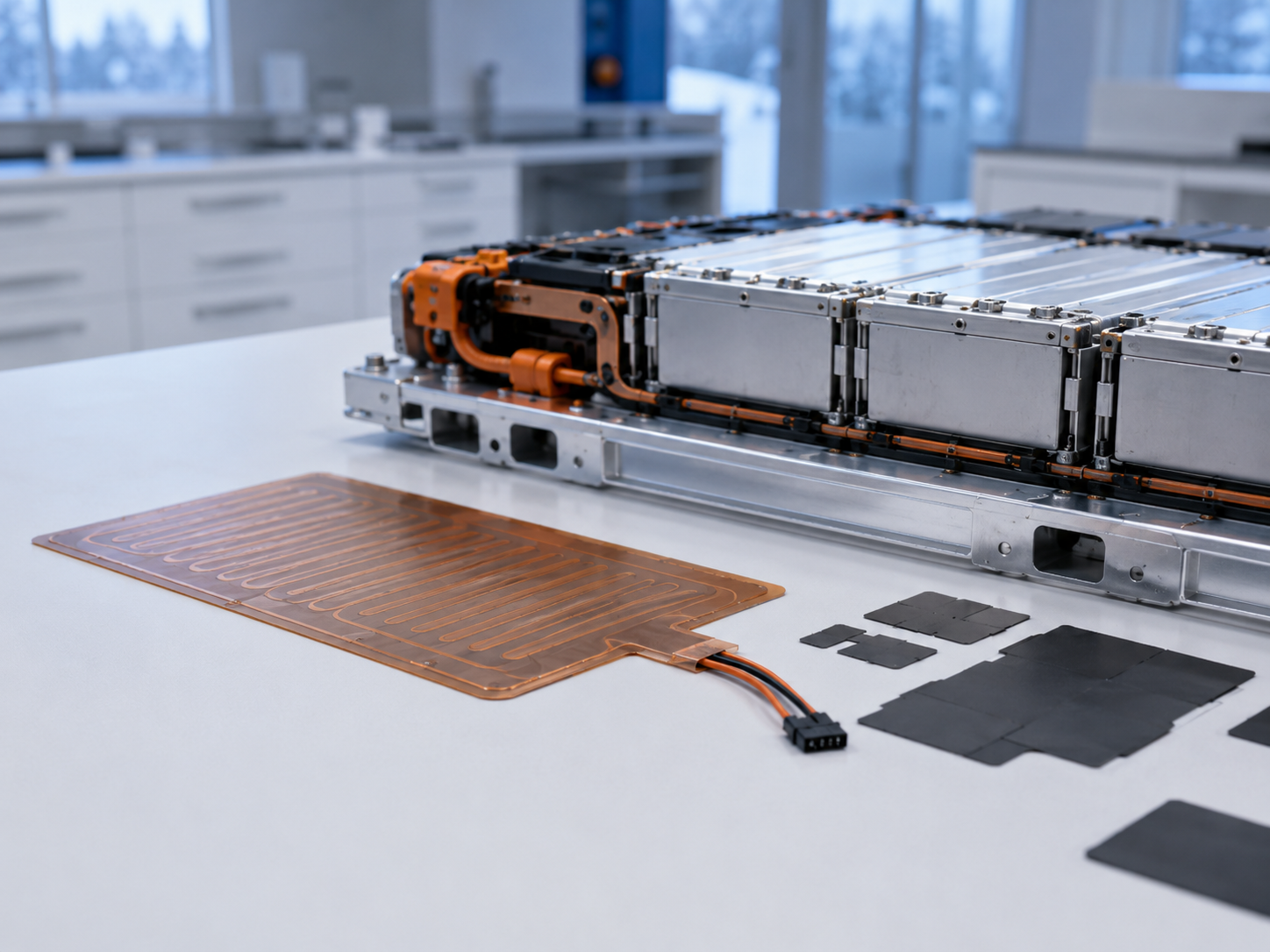
In cold regions, battery heating films can help improve low-temperature startup, charging acceptance and operating stability. These parts may be placed near cells, modules or pack structures depending on the thermal design.
A die cut battery heating film may include a heating element, insulation layer, protective film, adhesive layer, connector area and release liner. The shape must match the pack structure, avoid interference with fasteners and maintain stable contact.
Key Design Questions
What temperature range must the heating film support?
Does the part need insulation on one side or both sides?
Where are the terminals and wire exits located?
Is adhesive bonding required?
Does the part need a protective film or flame-retardant layer?
Will it be supplied in sheets, rolls or custom trays?
Heating parts should be reviewed with both electrical and mechanical design teams because shape, wiring and installation method affect final reliability.
Die Cut Foam Pads for Cushioning, Spacing and Vibration Control
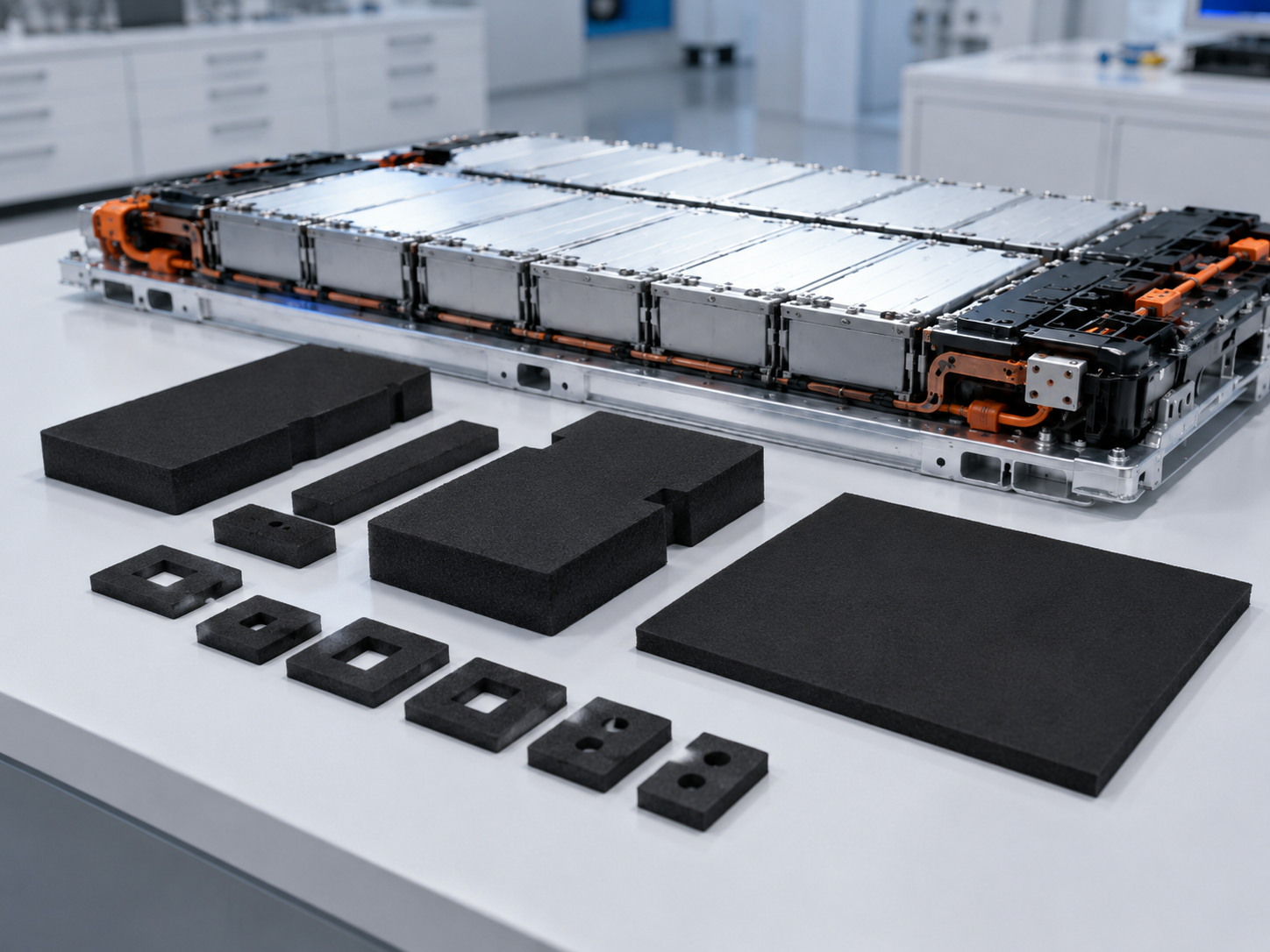
Battery packs experience vibration, shock, pressure changes and dimensional variation. Die cut foam pads help absorb tolerance stack-up, reduce friction, cushion modules, prevent rattling and protect sensitive parts.
Common foam choices include PU foam, PE foam, EPDM foam, silicone foam and flame-retardant foam. Some parts are simple pads, while others are adhesive-backed, laminated with film, combined with mesh or designed with pull tabs for easier assembly.
Typical Foam Pad Applications
Application | Foam Function |
Between module and housing | Cushioning and spacing |
Around pack cover | Sealing support |
Sensor or wire harness area | Protection and positioning |
Module side support | Anti-vibration and compression control |
Battery label or protective area | Surface protection and handling support |
For mass production, foam pads should be tested for compression, rebound, thickness stability and adhesive compatibility.
Material and Quality Checklist for EV Battery Die Cut Components
Before confirming a design, buyers should review both material performance and production control.
Checklist Item | What to Confirm |
Material | PET, PI, foam, silicone, graphite, mica, thermal pad, heating film |
Function | Insulation, sealing, thermal conduction, heat blocking, cushioning |
Thickness | Nominal thickness and compressed thickness |
Tolerance | Critical holes, edges, slots and assembly datum |
Adhesive | Single-sided, double-sided, conductive or thermal adhesive |
Liner design | Pull tab, split liner, easy release, automation-friendly format |
Testing | Dimensional check, appearance, adhesion, compression, thermal or insulation test |
Quality system | Automotive-related projects may require stronger process control |
Packaging | Sheets, rolls, trays, bags or custom packaging |
ISO 9001 provides a quality management framework for consistently meeting customer requirements, while IATF 16949 is used as the automotive quality management system standard across the global automotive supply chain.
How Xinyusheng Supports EV Battery Die Cut Components?
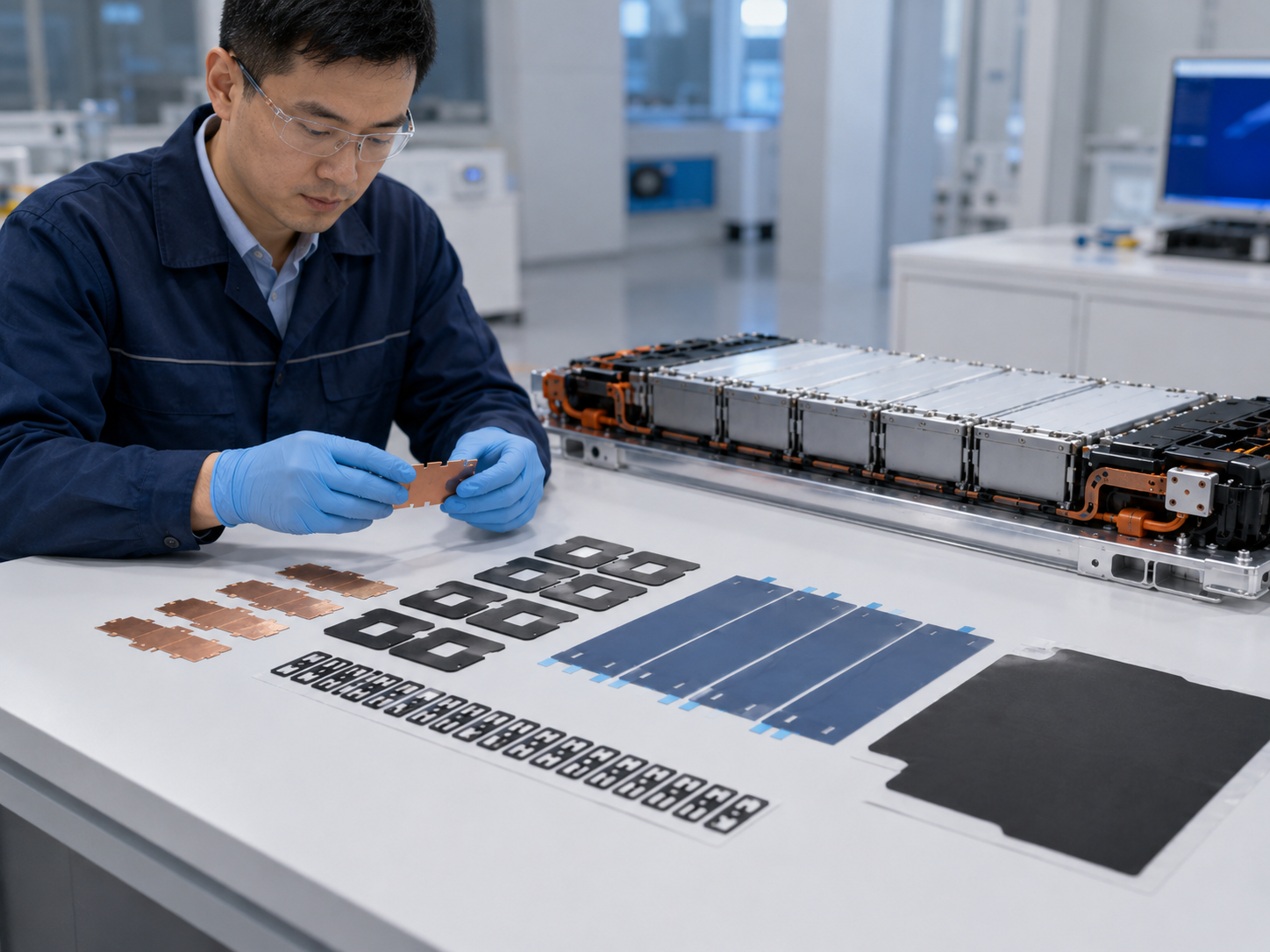
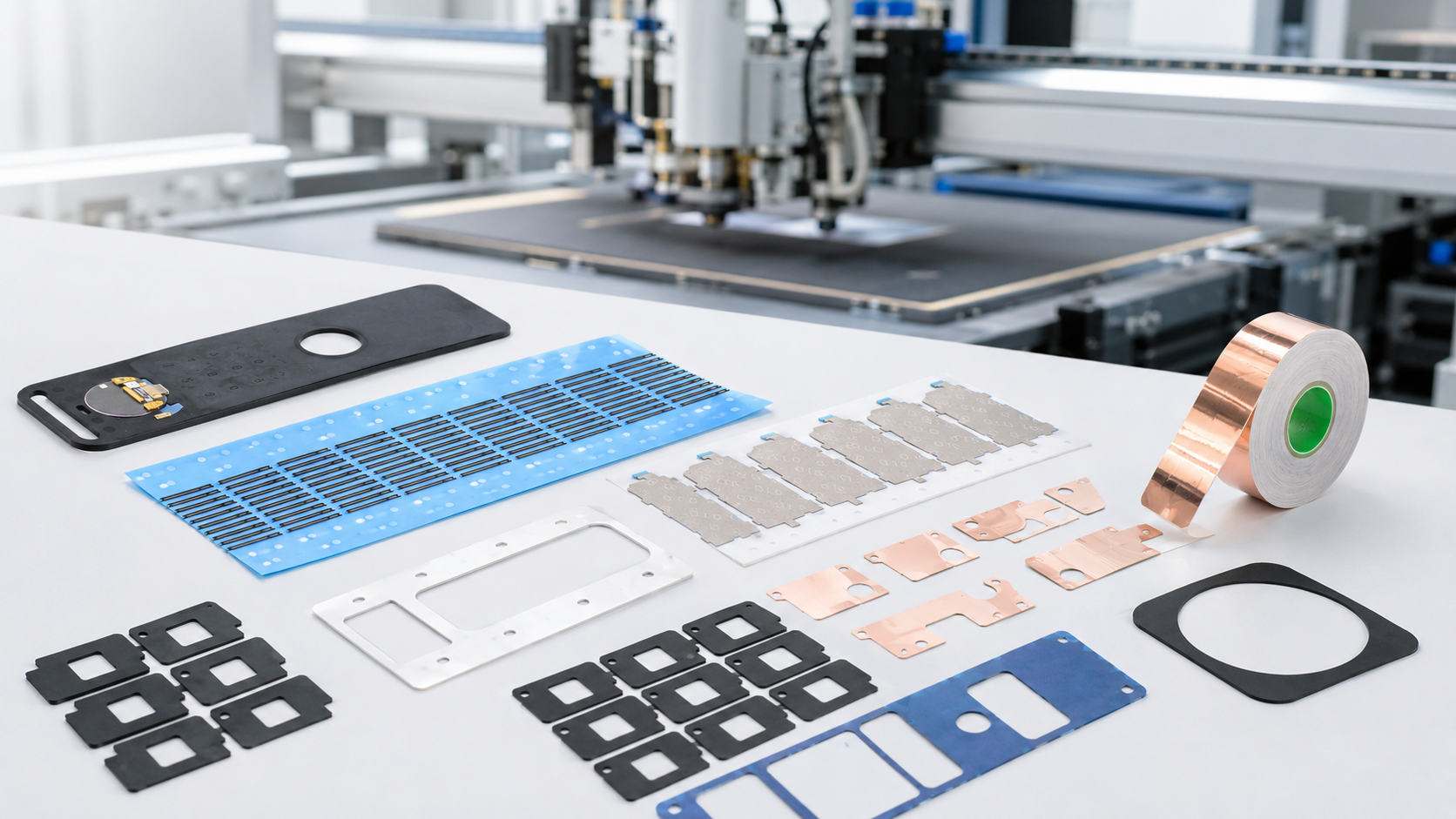
Xinyusheng provides custom precision die cutting solutions for electronics, EV batteries, medical devices, robotics, drones, AI servers and industrial applications. Its website lists New Energy Vehicles (Power Batteries) as an application field covering insulation, thermal conduction, structural cushioning, heat insulation, heating, high-temperature PI, bonding and protective film.
For EV battery projects, Xinyusheng can support insulation series, foam series, thermal management series, thermal insulation series, heating series, waterproof series and adhesive tape series. Internal project research also records a service flow from customer drawing and requirement review to technical communication, sampling, sample confirmation, mass production, packaging and delivery, with full-process inspection and in-house testing support.
The practical value is engineering coordination. Instead of treating each gasket, film or foam pad as an isolated part, Xinyusheng can review the material, drawing, thickness, tolerance, adhesive structure, assembly method and quality requirement together.
FAQ
What are EV battery die cut components?
EV battery die cut components are custom-cut functional parts used in battery packs, including insulation films, sealing gaskets, thermal pads, thermal insulation barriers, heating films, adhesive tapes, foam pads and protective films.
What materials are used for EV battery insulation pads?
Common materials include PET, PI, PC, PP, flame-retardant films, insulating adhesive films and laminated insulation structures. The final choice depends on voltage, temperature, thickness, dielectric strength and assembly design.
Are thermal pads and thermal insulation pads the same?
No. Thermal pads transfer heat to a cooling structure, while thermal insulation pads slow or block heat transfer. EV battery packs may need both depending on the thermal path and safety design.
Why are foam pads used in battery packs?
Foam pads provide cushioning, spacing, sealing support, vibration control and surface protection. They help absorb tolerance variation and reduce mechanical stress during vehicle operation.
What information is needed for an EV battery die cut quote?
Provide drawings, material requirements, thickness, tolerance, application area, compression condition, adhesive structure, sample quantity, mass production forecast, quality requirements and packaging method.
Source References
Xinyusheng internal research notes: service flow, sampling, inspection and production support.
IEA Global EV Outlook 2025: electric car market growth and EV sales trend.
NHTSA EV battery safety and thermal management references.
Xinyusheng official website: EV battery application fields, product series and quality system information.
Table of Contents
Related news
Company News
What Is Custom Precision Die Cutting? What Types of Custom Functional Components Is Xinyusheng Suitable For?
May 14,2026
Discover More
Company News
How Are Die Cut Materials Used in Automotive Electronics?
August 29,2026
Discover More
Company News
What Types of Thermal Interface Materials Can Be Die Cut?
August 29,2026
Discover More
