Cleanroom Die Cutting for Medical Devices and Wearable Adhesive Components
Abstract
Medical devices and wearable health products are moving toward thinner, lighter, skin-contact and sensor-integrated designs. Adhesive patches, protective films, foam pads, medical tapes, sensor covers and insulation layers must be clean, accurately cut, easy to assemble and stable during storage and use. Cleanroom die cutting helps reduce particle risk, improve handling control and support repeatable production for medical and wearable adhesive components. This article explains where cleanroom die cutting is needed, what materials are commonly used, how ISO 13485 supports supplier selection, and what engineers should prepare before requesting a quote.
Why Medical and Wearable Devices Need Cleanroom Die Cutting?
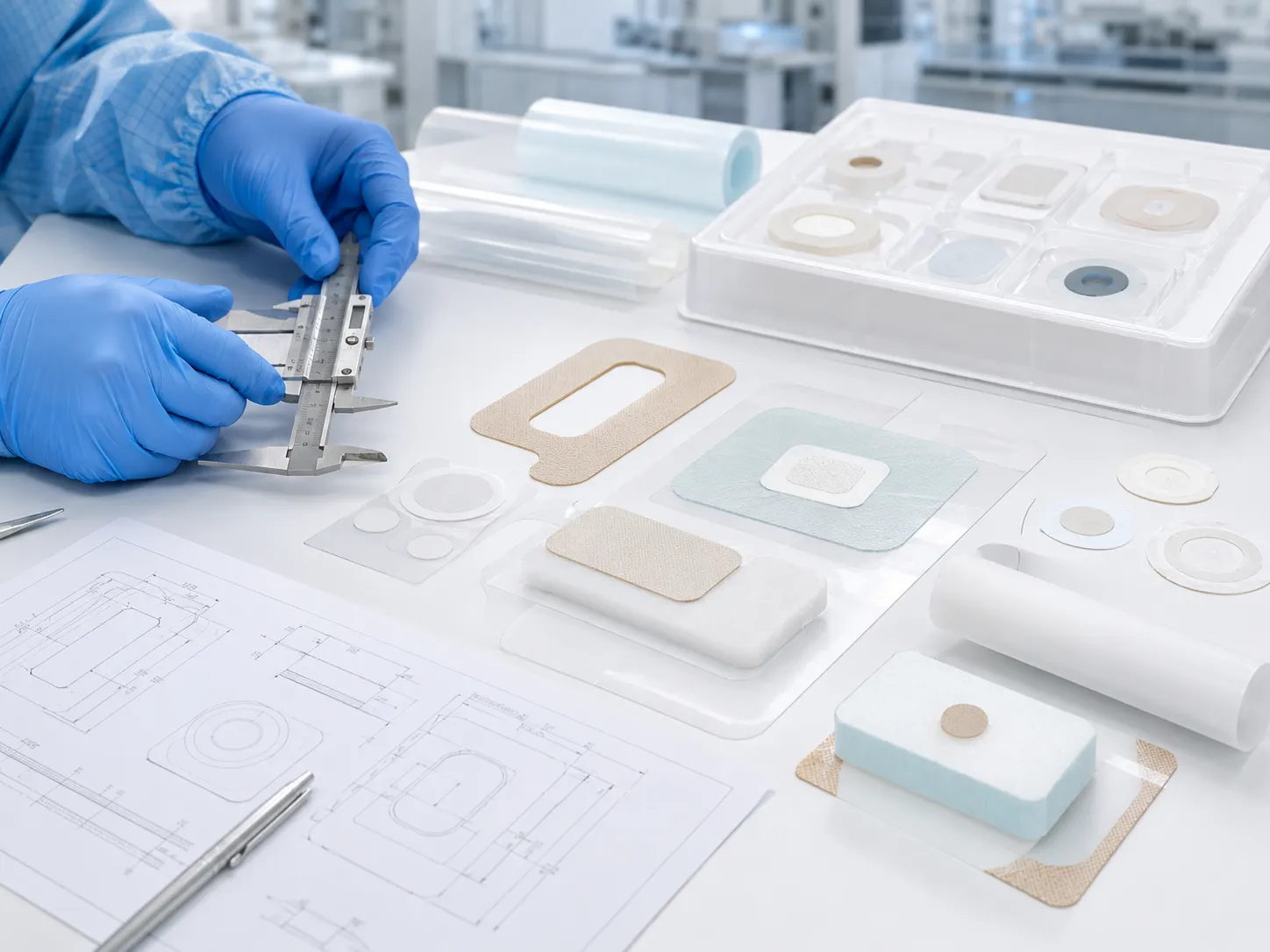
Medical devices are no longer limited to hospital equipment. More products now sit directly on the skin, connect to sensors, collect health data or support remote monitoring. The FDA encourages the development of safe and effective medical devices that incorporate sensor-based digital health technology, which reflects the broader shift toward connected monitoring and wearable care.
This shift changes the role of small die cut parts. A sensor patch may need skin-friendly adhesive, a breathable backing film, a foam spacer, a protective liner and a window for electrodes. A medical device housing may need dust-control film, insulation pads or sealing foam. If any layer is contaminated, misaligned or difficult to peel, the final device may suffer during assembly or use.
Cleanroom die cutting is valuable because medical and wearable adhesive components are often thin, flexible and sensitive to dust, particles, static and handling damage. For these parts, the production environment can be just as important as the cutting accuracy.
What is Cleanroom Die Cutting?
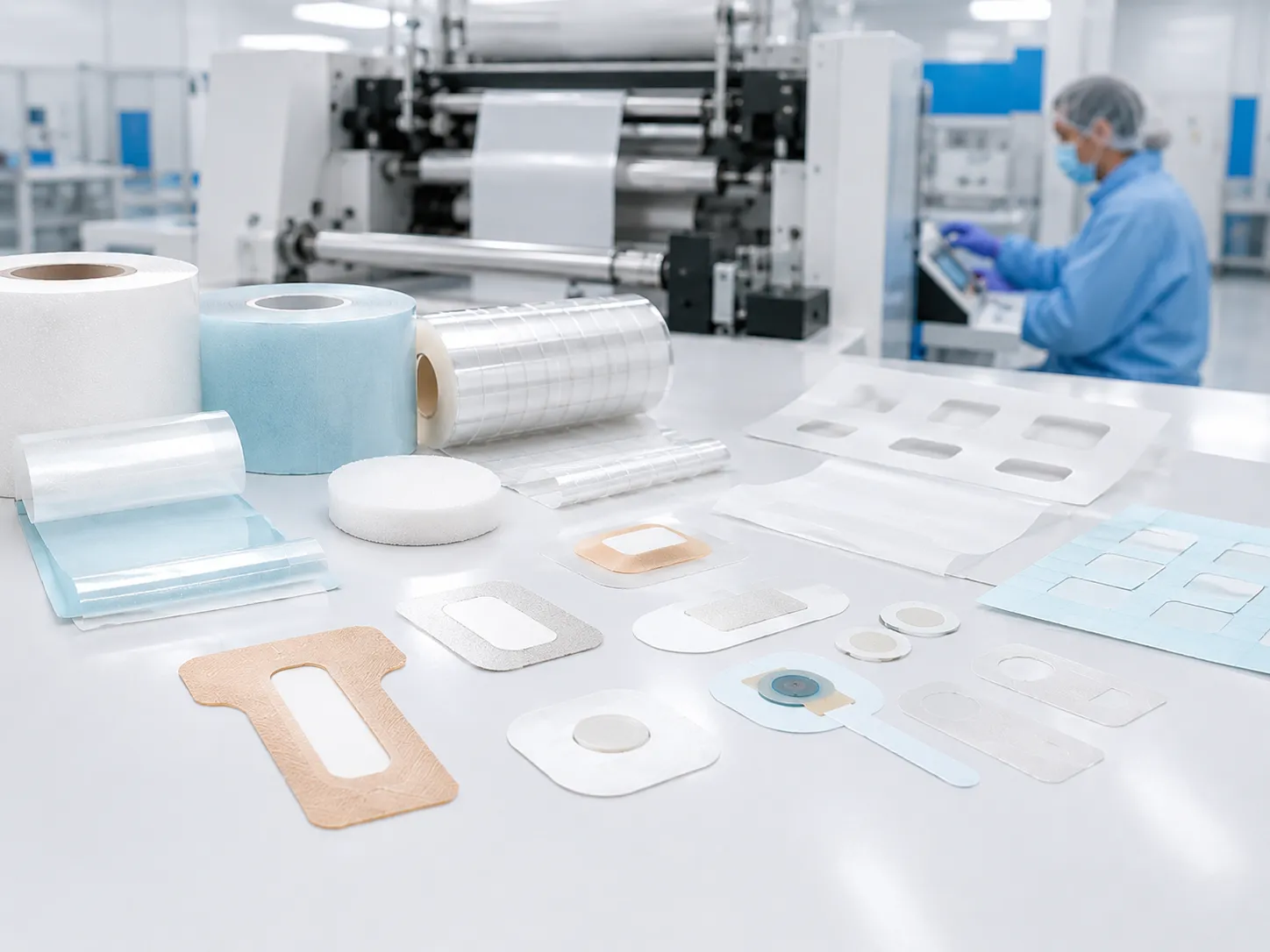
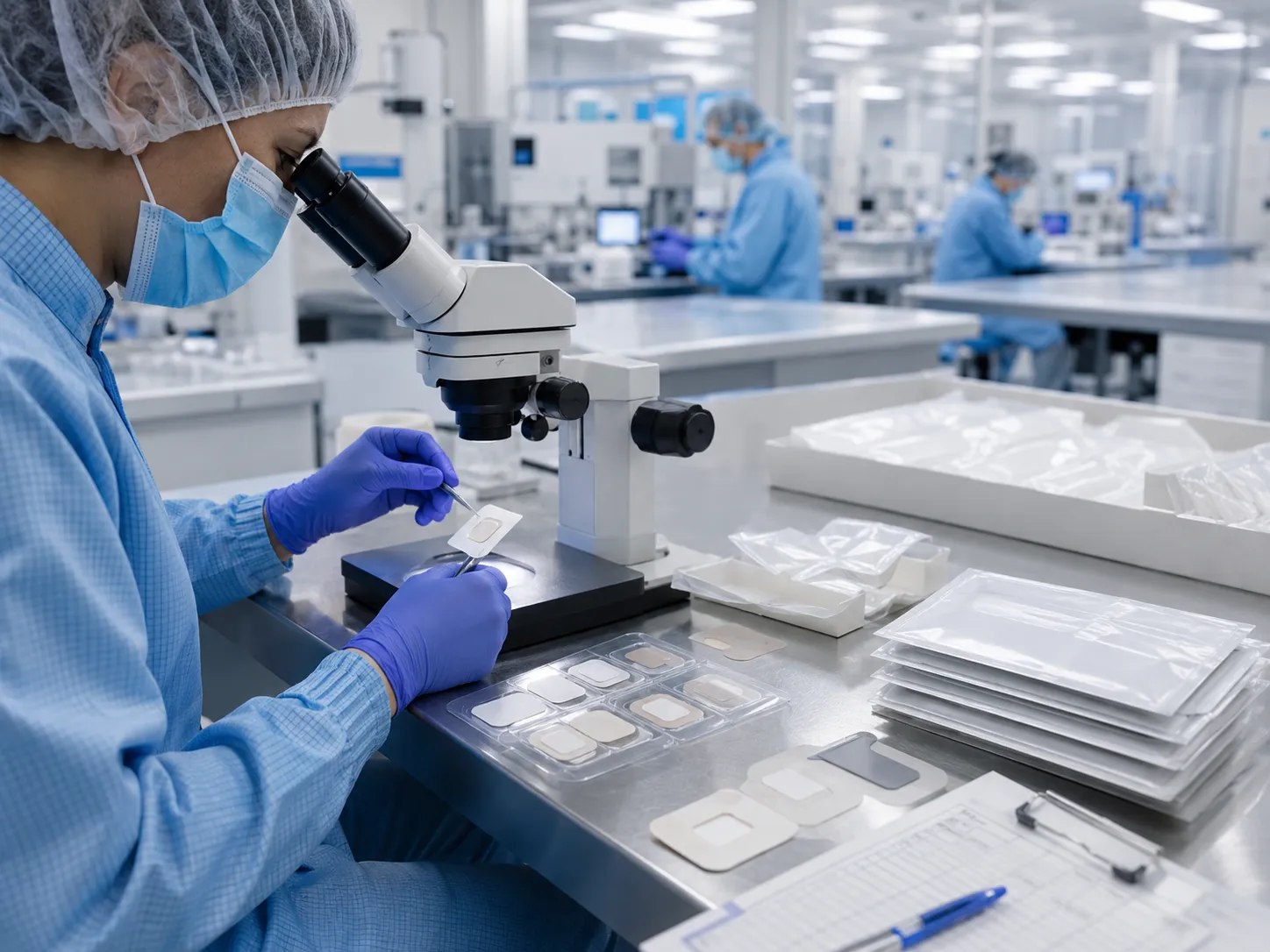
Cleanroom die cutting is the process of converting films, foams, tapes, adhesives and other flexible materials into custom shapes within a controlled cleanroom or clean-zone environment. The goal is not to make every part sterile. The goal is to reduce contamination risk during cutting, laminating, peeling, waste removal, inspection and packaging.
ISO 14644-1 specifies cleanroom air cleanliness classification based on airborne particle concentration in cleanrooms and clean zones. In practical die cutting, this means manufacturers must pay attention to air quality, operator handling, material storage, surface cleaning, static control, packaging and process discipline.
Cleanroom die cutting is commonly used for:
Component Type | Typical Function |
Wearable adhesive patches | Skin attachment, sensor support, device fixing |
Medical tapes | Bonding, dressing support, device assembly |
Protective films | Surface protection, lens/device cover protection |
Foam pads | Cushioning, spacing, sealing, comfort |
Vent or mesh films | Airflow, acoustic or dust-control function |
Insulation films | Electrical isolation in medical electronics |
Release liners | Clean handling and assembly support |
Medical Adhesive Die Cutting for Wearable Components
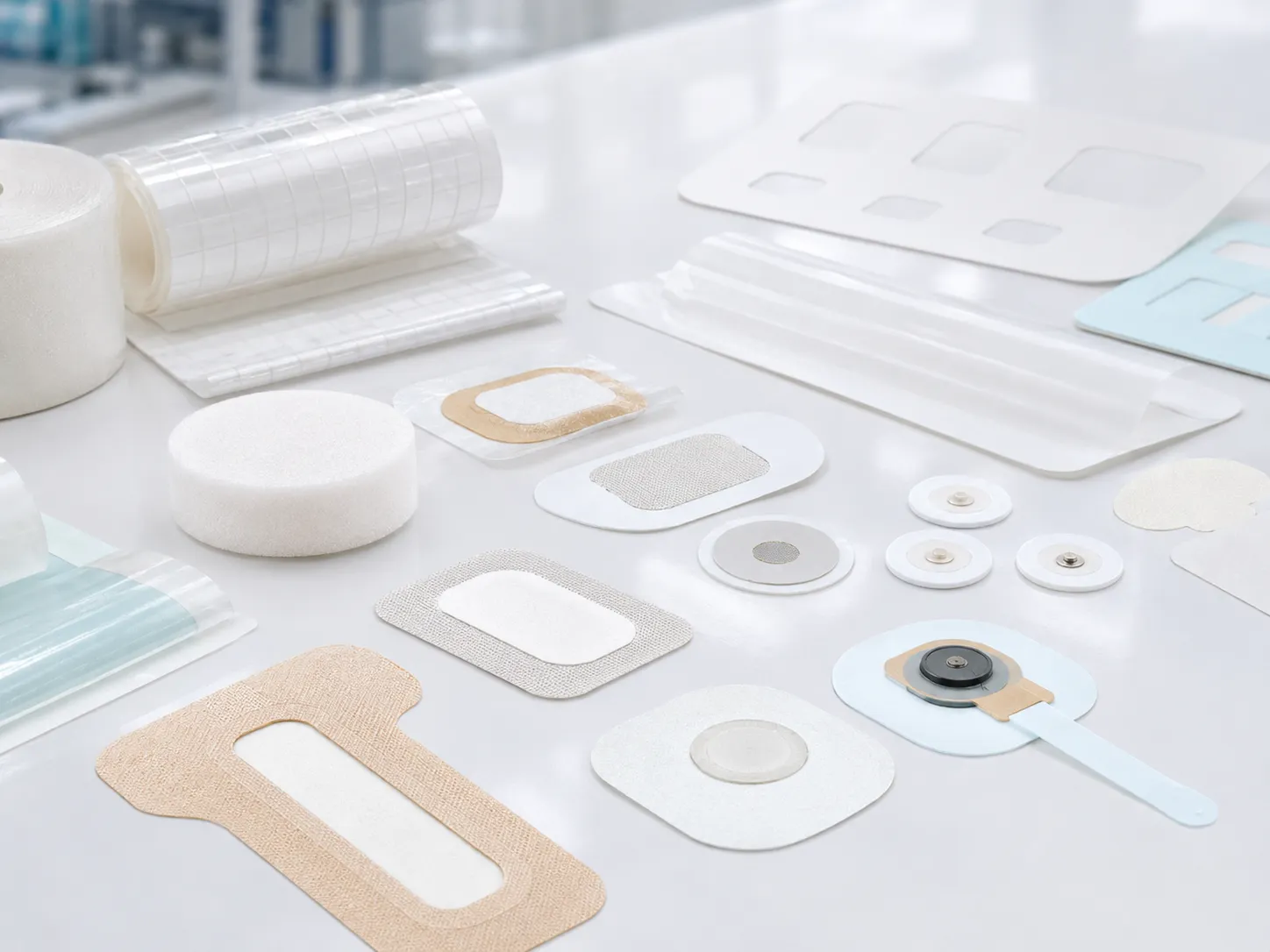
Medical adhesive die cutting is one of the most important applications for wearable devices. The part must be easy to peel, easy to position and stable enough for the intended wear time. Poor liner design or adhesive overflow can slow assembly and increase scrap.
What Engineers Should Define First?
Before choosing an adhesive tape, engineers should define:
① Skin-contact or device-contact application
② Wear duration and removal requirement
③ Breathability and moisture exposure
④ Device weight and bending area
⑤ Adhesive side and liner side
⑥ Pull tab, split liner or finger-lift design
⑦ Packaging and handling method
The adhesive itself is only one part of the design. Liner construction, tab direction, die cut tolerance and assembly sequence often decide whether the component works smoothly in production.
Protective Films, Foams and Tapes for Medical Devices
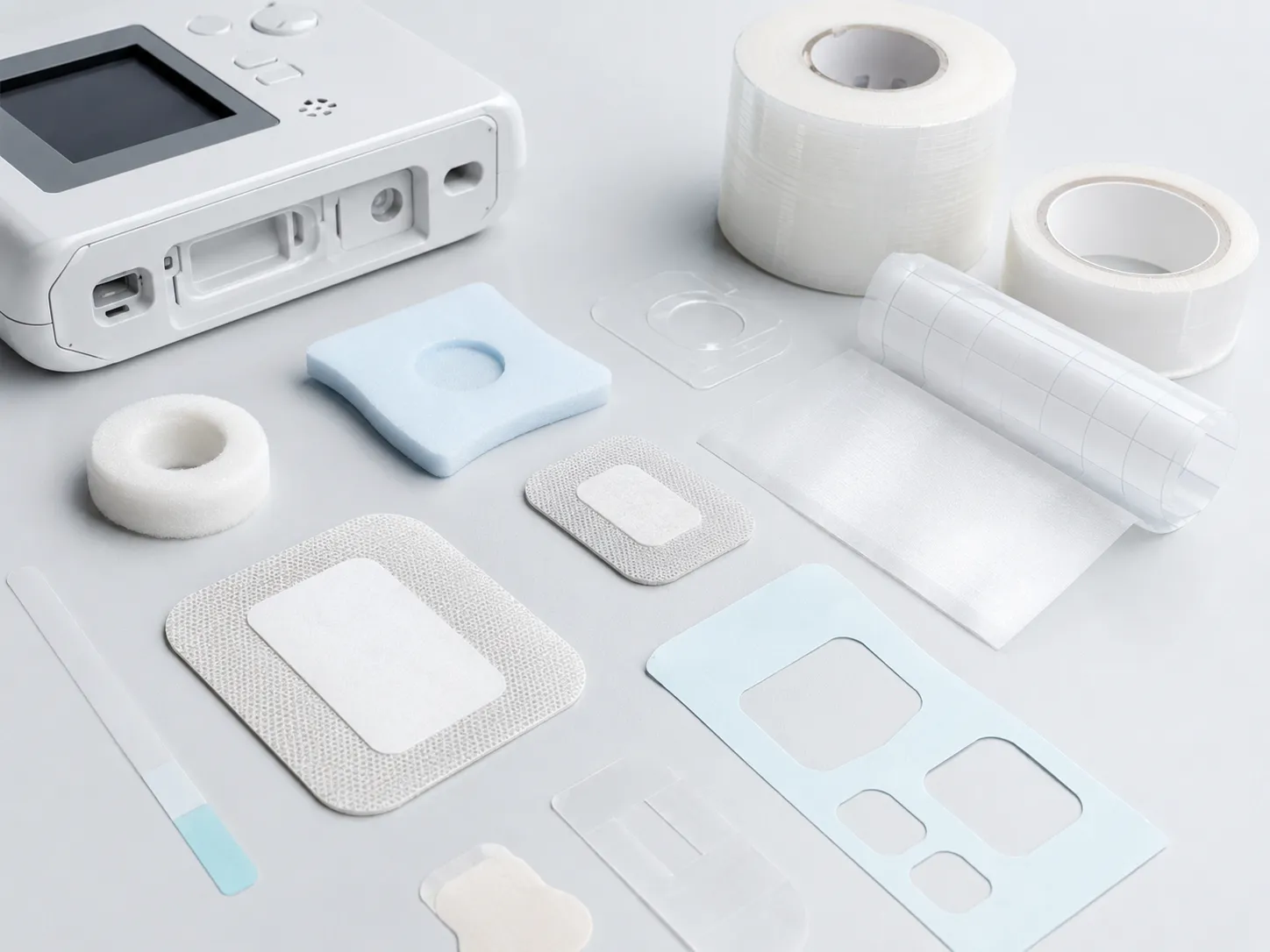
Medical die cut components may include many materials beyond adhesive tape. Protective films can prevent scratches on displays, sensors, lenses or device housings. Foam pads can provide cushioning, spacing, compression or wearer comfort. Mesh and vent films can protect openings while allowing airflow or acoustic transmission.
Material | Typical Medical / Wearable Use | Design Concern |
Medical adhesive tape | Wearable patch, device bonding | Skin compatibility, peel force, liner design |
PET / PU protective film | Display, lens, device surface protection | Clean surface, no residue, easy removal |
Foam | Cushioning, comfort, spacing, sealing | Thickness, compression, recovery |
Mesh / nonwoven | Vent, sensor protection, dust reduction | Porosity, cleanliness, bonding |
PI / PET insulation film | Medical electronics isolation | Dielectric strength, hole accuracy |
Silicone or soft elastomer | Sealing, comfort, flexible contact | Compression and material stability |
A good cleanroom die-cutting services partner should not only ask for the shape. They should ask how the part is handled, where it is applied, whether the adhesive touches skin, and how the finished part will be packed.
Key Quality Requirements: Cleanliness, Traceability and Packaging
Cleanroom production does not automatically guarantee a qualified medical part. Engineers and purchasing teams should review the full process.
Cleanliness Control
Cleanliness depends on material handling, production environment, tooling maintenance, operator practice, static control and packaging. For films and adhesives, even small particles can affect appearance, bonding or sensor contact.
Traceability
Medical and wearable projects often require lot traceability for materials, production date, inspection records and packaging. Traceability helps teams investigate quality issues and manage change control.
Packaging Format
Packaging should match the assembly process. Parts may be supplied in rolls, sheets, trays, pouches or liner-backed formats. For wearable adhesive components, release liner quality and peel direction are especially important.
ISO 13485 and Supplier Qualification for Medical Die Cutting
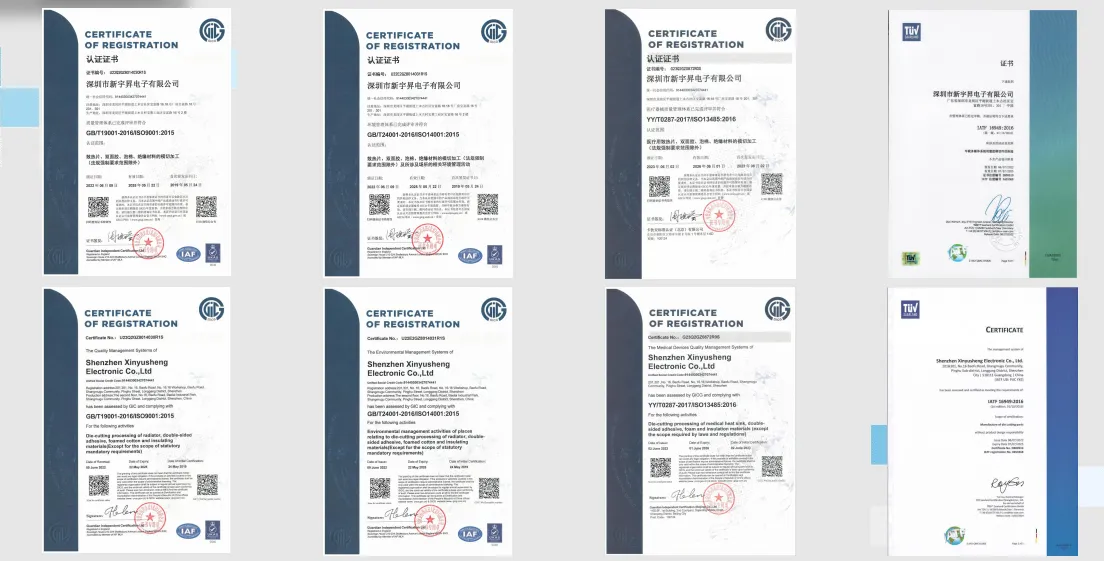
ISO 13485 is the internationally recognized quality management system standard for organizations involved in the design and manufacture of medical devices. In 2026, the FDA’s updated Quality Management System Regulation became effective and incorporates ISO 13485:2016 by reference, making alignment with ISO 13485 even more important for global medical device supply chains.
For die cutting suppliers, ISO 13485 does not replace product validation by the medical device company. However, it gives buyers a stronger framework for evaluating process control, documentation, traceability, corrective action and risk-based quality management.
When qualifying a supplier, ask about:
① ISO 13485 certification scope
② Cleanroom or clean-zone capability
③ Material lot traceability
④ First article inspection
⑤ In-process and outgoing inspection
⑥ Packaging control
⑦ Change notification process
⑧ Sample-to-mass-production transfer process
Design Checklist for Medical Die Cut Components
Before sending an RFQ, prepare the following:
RFQ Item | What to Provide |
Drawing | PDF, DXF, DWG or sample photo |
Material | Adhesive, film, foam, mesh or insulation requirement |
Thickness | Nominal thickness and stack-up thickness |
Tolerance | Critical dimensions, holes and liner position |
Application | Skin contact, device bonding, protection or sealing |
Cleanliness | Cleanroom requirement, particle concern or packaging need |
Quantity | Prototype, pilot run and mass production forecast |
Packaging | Sheet, roll, tray, pouch or custom liner format |
Inspection | Dimension report, visual inspection, full inspection or special test |
Regulatory need | ISO 13485, RoHS, biocompatibility or customer-specific requirement |
For skin-contact materials, the final qualification should remain with the medical device manufacturer or brand owner. The die cutting supplier can support conversion, cleanliness control, inspection and documentation, but material approval should match the finished product’s regulatory path.
How Xinyusheng Supports Medical Device Projects?
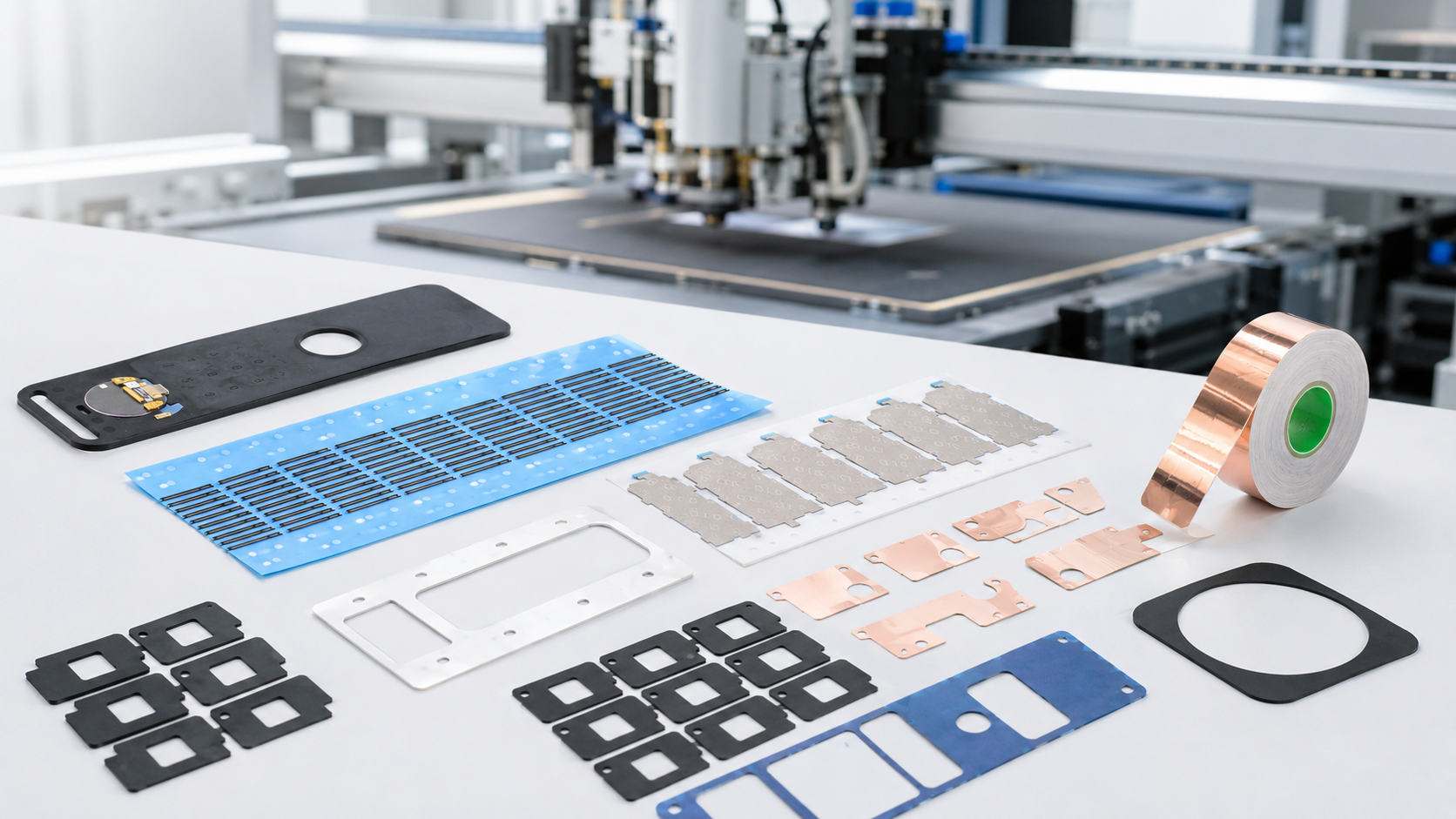
Xinyusheng provides custom precision die cutting services for functional components used in electronics, EV batteries, medical devices, robotics, drones, AI servers and industrial applications. Its official website positions the company as a custom precision die cutting manufacturer serving medical devices and other high-reliability applications.
Company materials also list medical industry equipment precision functional components as one of Xinyusheng’s industry directions, alongside consumer electronics, automotive electronics, new energy, communication equipment and printing products. The company profile records ISO 9001, ISO 14001, ISO 13485 and IATF 16949 certifications, and lists main product categories including waterproof, thermal, tape, foam, insulation, light-blocking, conductive, mesh, protective film and printing products.
For medical and wearable projects, Xinyusheng can support material review, drawing confirmation, sample development, lamination, die cutting, inspection and delivery. This fits the needs of sensor patches, medical adhesive tape parts, protective films, foam pads, insulation layers and other cleanly handled die cut components.
FAQ
What is cleanroom die cutting used for?
Cleanroom die cutting is used to produce components that require better contamination control, such as wearable adhesive patches, medical tapes, protective films, foam pads, sensor covers, insulation films and device assembly parts.
Is cleanroom die cutting the same as sterile manufacturing?
No. Cleanroom die cutting controls particles and handling conditions during converting. Sterile manufacturing requires additional sterilization and validation steps based on the finished medical device requirements.
What materials are used for medical adhesive die cutting?
Common materials include medical adhesive tapes, PET or PU films, foam, mesh, nonwoven materials, release liners, insulation films and protective films. The final material depends on skin contact, device structure and regulatory requirements.
Why is ISO 13485 important for medical die cut components?
ISO 13485 supports quality management, documentation, traceability and process control for medical device-related manufacturing. It helps buyers evaluate whether a supplier can support regulated medical projects.
What information is needed for a cleanroom die cutting quote?
Provide drawings, material requirements, thickness, tolerance, application, cleanliness requirement, quantity, liner structure, packaging method and inspection standard. For skin-contact parts, include wear-time and adhesive-performance requirements.
Source References
① Xinyusheng SEO content plan and keyword table: cleanroom die cutting, medical die cutting and medical adhesive die cutting topic direction.
② Xinyusheng company profile: ISO 13485 certification, product categories and medical industry positioning.
③ ISO 13485 and ISO 14644-1 official references for medical device quality management and cleanroom classification.
④ FDA digital health and QMSR references for sensor-based medical devices and ISO 13485 alignment.
Table of Contents
Related news
Company News
What Is Custom Precision Die Cutting? What Types of Custom Functional Components Is Xinyusheng Suitable For?
May 14,2026
Discover More
Company News
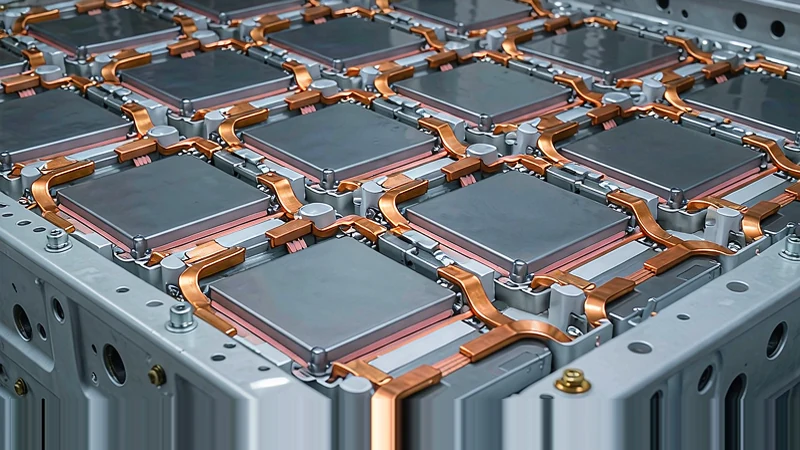
How Are Die Cut Materials Used in Automotive Electronics?
August 29,2026
Discover More
Company News
What Types of Thermal Interface Materials Can Be Die Cut?
August 29,2026
Discover More
