Custom Die Cut Gaskets: Materials, Design and Applications
Abstract
Custom die cut gaskets are used wherever a product needs sealing, cushioning, spacing, insulation, waterproofing, dust protection or EMI shielding in a thin, repeatable and assembly-ready format. Unlike standard molded or cut gaskets, die cut gaskets can be produced from foam, silicone, rubber, adhesive tape, insulation film, conductive fabric, conductive foam, copper foil and composite materials. For electronics, EV batteries, smart locks, cameras, medical devices, AI servers and industrial control systems, gasket design is not only about shape. It is about material behavior, compression, tolerance, adhesive structure, inspection and how the gasket performs after real assembly.
What Are Custom Die Cut Gaskets?
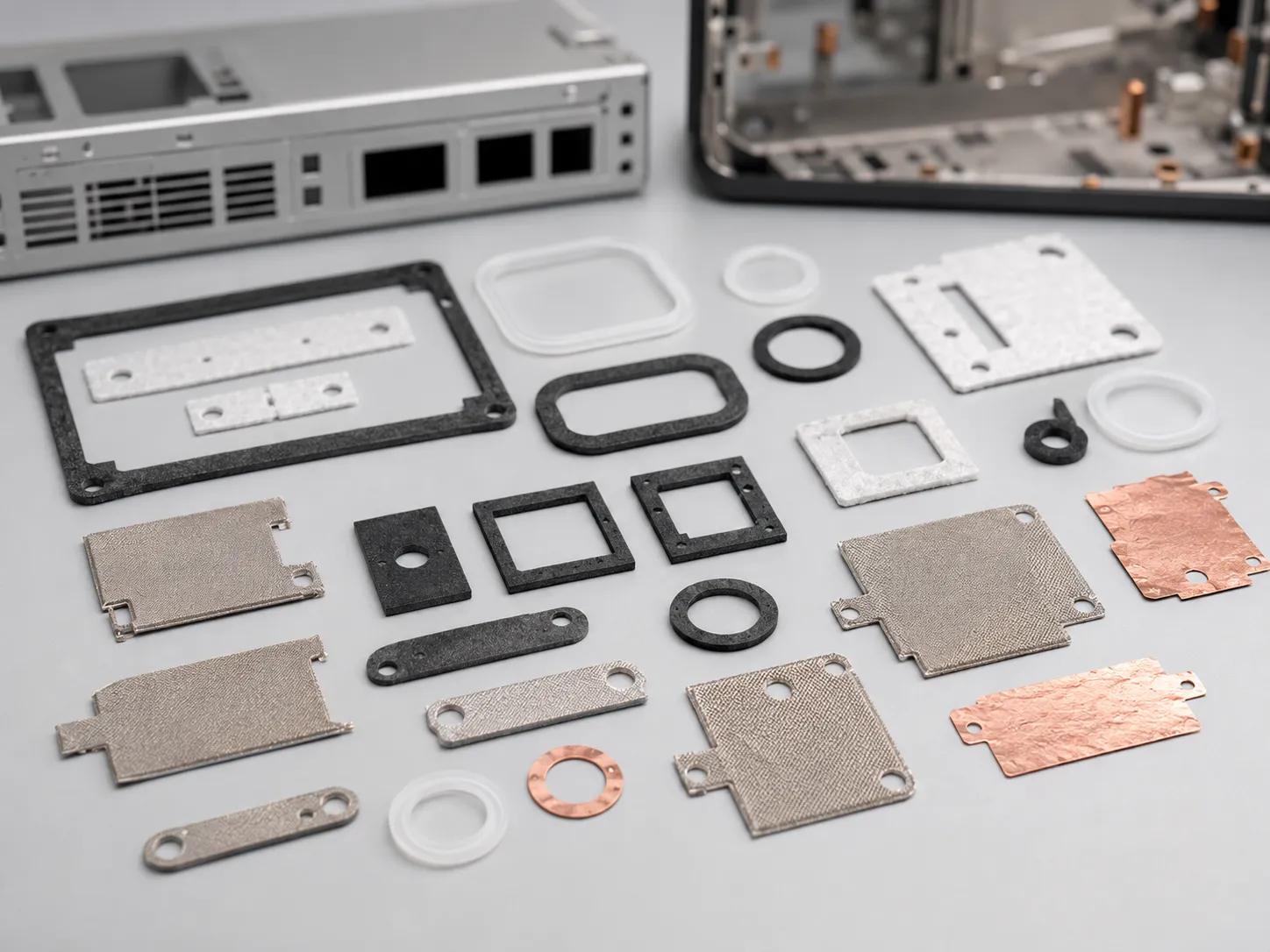
Custom die cut gaskets are precision-cut functional parts made from flexible sheet or roll materials. They are cut to match a product’s housing, screw holes, ribs, ports, sensors, battery modules, PCB areas or enclosure seams.
A gasket may look like a simple frame, strip or pad, but its job is often more complex. In electronics and industrial products, a gasket may need to seal water, block dust, absorb vibration, protect a surface, isolate electricity or create conductive contact for EMI control.
The advantage of die cutting is flexibility. Instead of opening a mold for every new structure, engineers can prototype and adjust gasket geometry quickly, especially when the design involves thin materials, adhesive backing, release liners, split liners, pull tabs or multi-layer structures.
Die Cut Gaskets vs Standard Gaskets
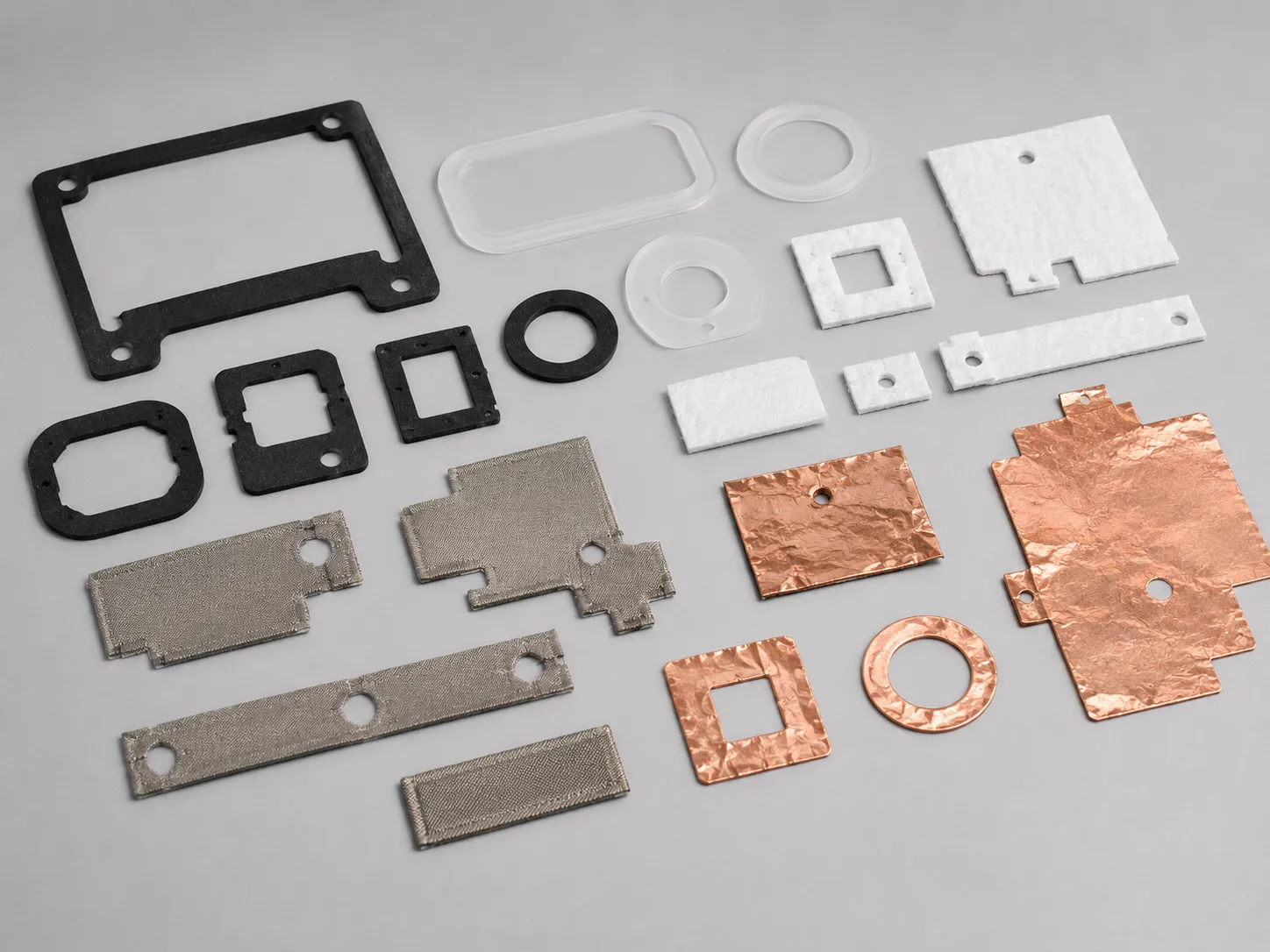
Standard gaskets are often selected by material and general size. Custom die cut gaskets are designed around the product structure, assembly method and performance requirement.
Comparison Item | Standard Gasket | Custom Die Cut Gasket |
Main purpose | General sealing or spacing | Product-specific sealing, cushioning, insulation or shielding |
Material format | Often molded or pre-sized | Sheet or roll materials, laminated or adhesive-backed |
Design flexibility | Limited | High, suitable for holes, slots, frames and complex shapes |
Sampling speed | May require more tooling | Faster for many thin flexible materials |
Assembly support | Basic | Can include liner, pull tab, adhesive side and carrier format |
Typical use | General equipment | Electronics, EV batteries, medical, AI servers, smart devices |
For OEM teams, the better question is not “Can we buy a gasket?” The better question is: “Which gasket material and structure can remain stable after compression, aging, temperature exposure and repeated assembly?”
Die Cut Foam Gaskets for Sealing, Cushioning and Dust Protection
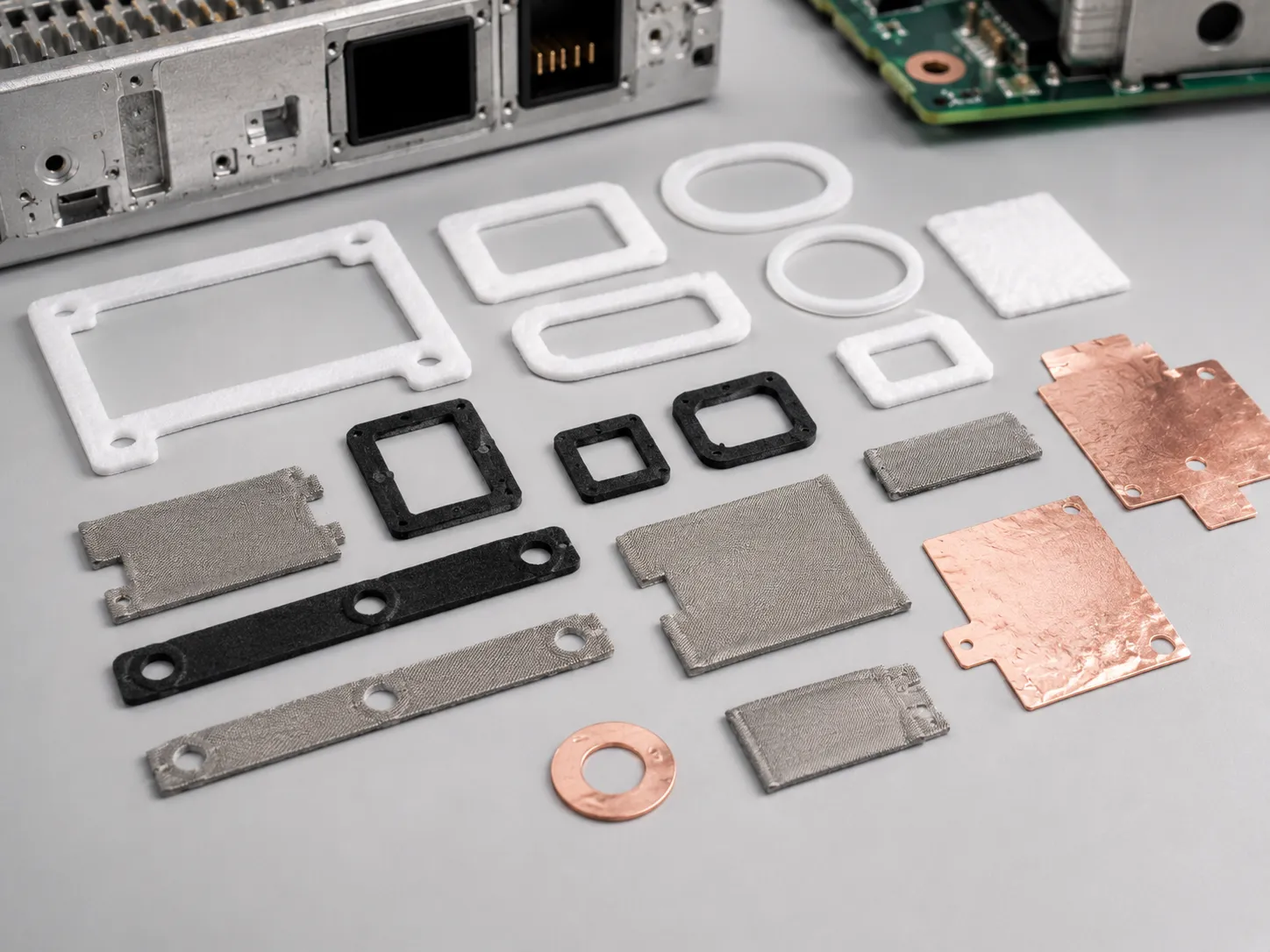
Foam is one of the most widely used gasket materials because it can compress, recover and absorb small assembly variations. Die cut foam gaskets are commonly used for smart locks, cameras, drones, robots, speakers, sensors, battery covers and electronic enclosures.
Common foam materials include PU foam, PE foam, EPDM foam, silicone foam, acrylic foam and flame-retardant foam. The choice depends on compression, rebound, sealing requirement, temperature, adhesive compatibility and product environment.
When Foam Gaskets Work Well?
Foam gaskets are suitable when the product needs:
① Dust sealing around a housing or opening
② Cushioning between two components
③ Noise and vibration reduction
④ Spacing between parts
⑤ Light waterproofing support
⑥ Adhesive-backed assembly parts
Compression matters more than many buyers expect. Industry gasket design guidance notes that too little or too much compression can reduce sealing performance, and compression set becomes important when a gasket must maintain sealing force over time.
Die Cut Silicone Gaskets and Waterproof Sealing Parts
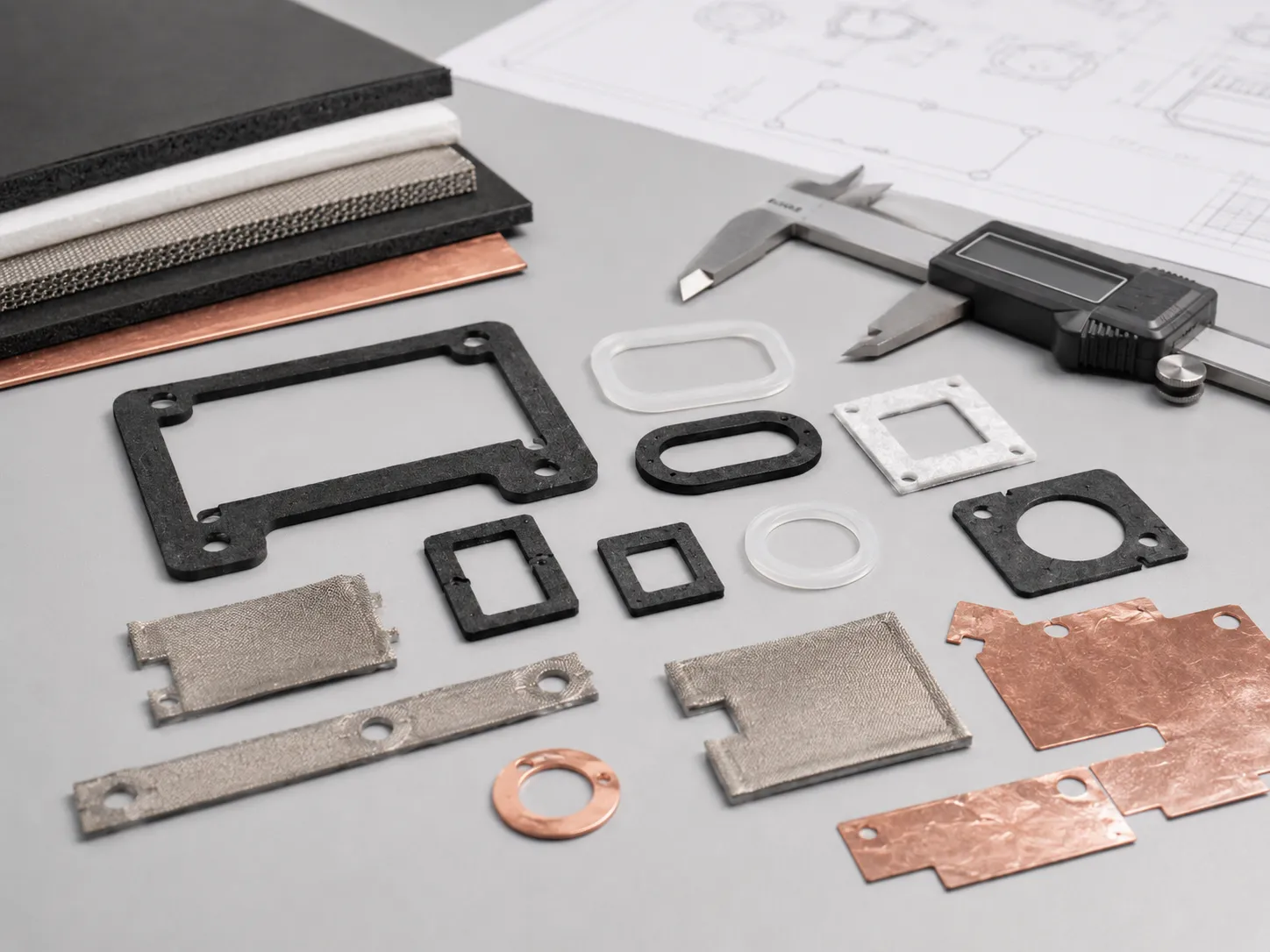
Silicone gaskets are used when a product needs better heat resistance, flexibility, sealing stability or environmental durability. Die cut silicone gaskets are common in outdoor electronics, EV-related devices, medical equipment, industrial controls and smart hardware.
For waterproof structures, the gasket must match the housing design. Material alone cannot guarantee sealing. The final result depends on gasket thickness, compression ratio, groove structure, screw force, surface flatness, adhesive position and long-term compression set.
Waterproof Gasket Design Concerns
Design Factor | Why It Matters |
Compression ratio | Determines whether the gasket seals or leaks |
Rebound | Affects long-term sealing after aging |
Surface flatness | Poor contact can create leakage paths |
Corners and holes | Common weak points in gasket frames |
Adhesive backing | Helps assembly but may create overflow risk |
Environmental exposure | Temperature, water, dust and chemicals affect material choice |
For EV battery packs, reliable and repeatable pack sealing is critical for performance, safety and longevity, and pack seals may need to support enclosure requirements such as IP68 depending on the design target.
Insulation Gaskets and EMI Shielding Gaskets
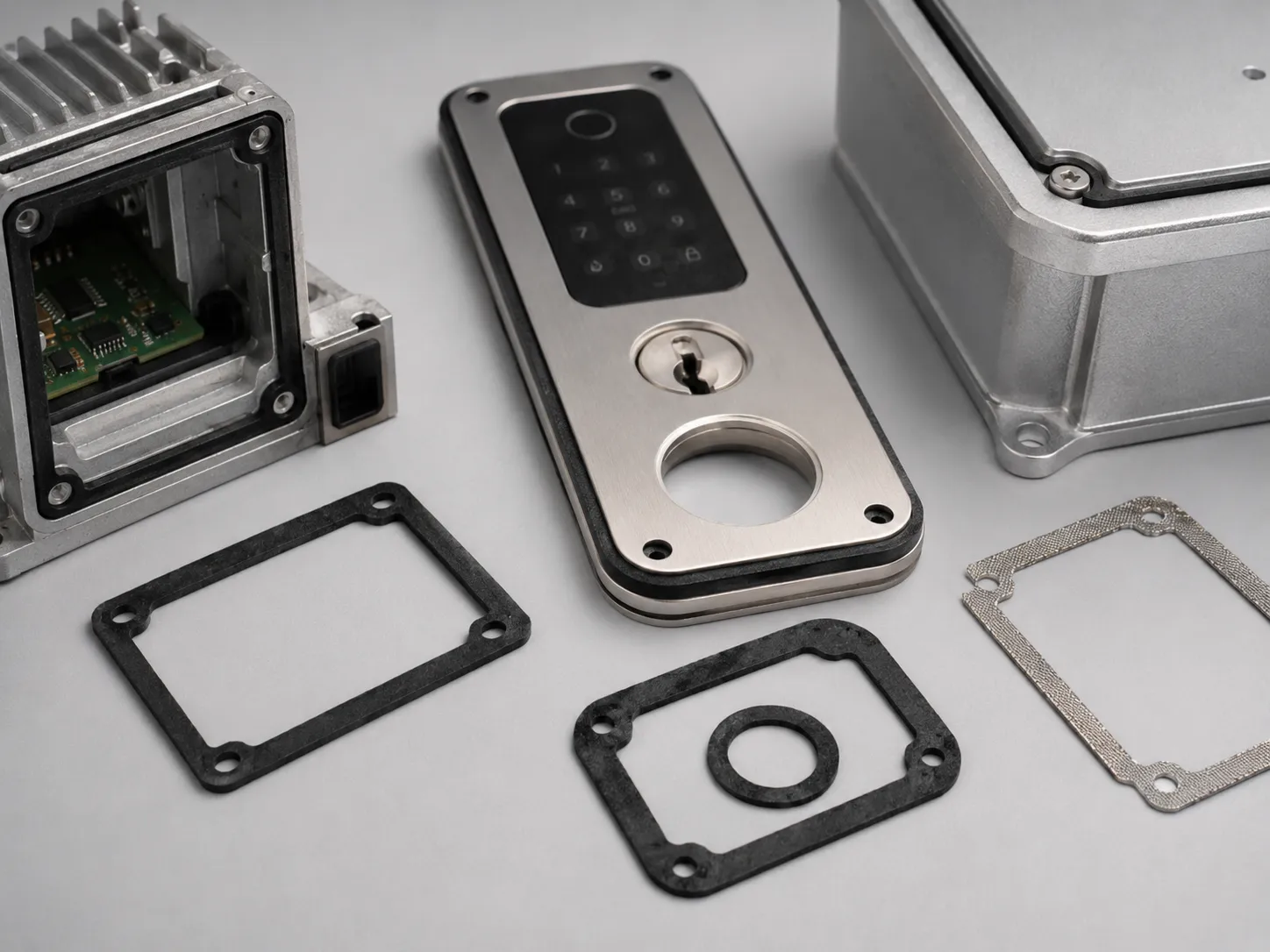
Not every gasket is only for sealing. In modern electronics, many gaskets are used for electrical or electromagnetic functions.
Insulation gaskets are made from PET, PI, PC, PP, Mylar, insulating foam or laminated insulating films. They help separate conductive parts, protect PCB areas, isolate metal housings and prevent unwanted contact.
EMI shielding gaskets are made from conductive foam, conductive fabric, copper foil, aluminum foil or conductive adhesive materials. They help maintain conductive contact and reduce electromagnetic leakage through seams, grounding points or enclosure gaps. EMC regulation focuses on reducing electromagnetic disturbance and improving equipment immunity, which is why shielding materials are important in high-speed electronic systems.
Functional Gasket Material Map
Gasket Type | Common Materials | Main Function |
Foam gasket | PU, PE, EPDM, silicone foam | Sealing, cushioning, dust protection |
Silicone gasket | Silicone rubber, silicone foam | Waterproofing, heat resistance, flexibility |
Insulation gasket | PET, PI, PC, Mylar, insulating foam | Electrical isolation |
EMI gasket | Conductive foam, conductive fabric, copper foil | Shielding and grounding |
Adhesive gasket | Foam tape, PSA tape, double-sided tape | Bonding and positioning |
Composite gasket | Foam + film + adhesive + liner | Multi-function assembly support |
Gasket Design Factors Engineers Should Confirm
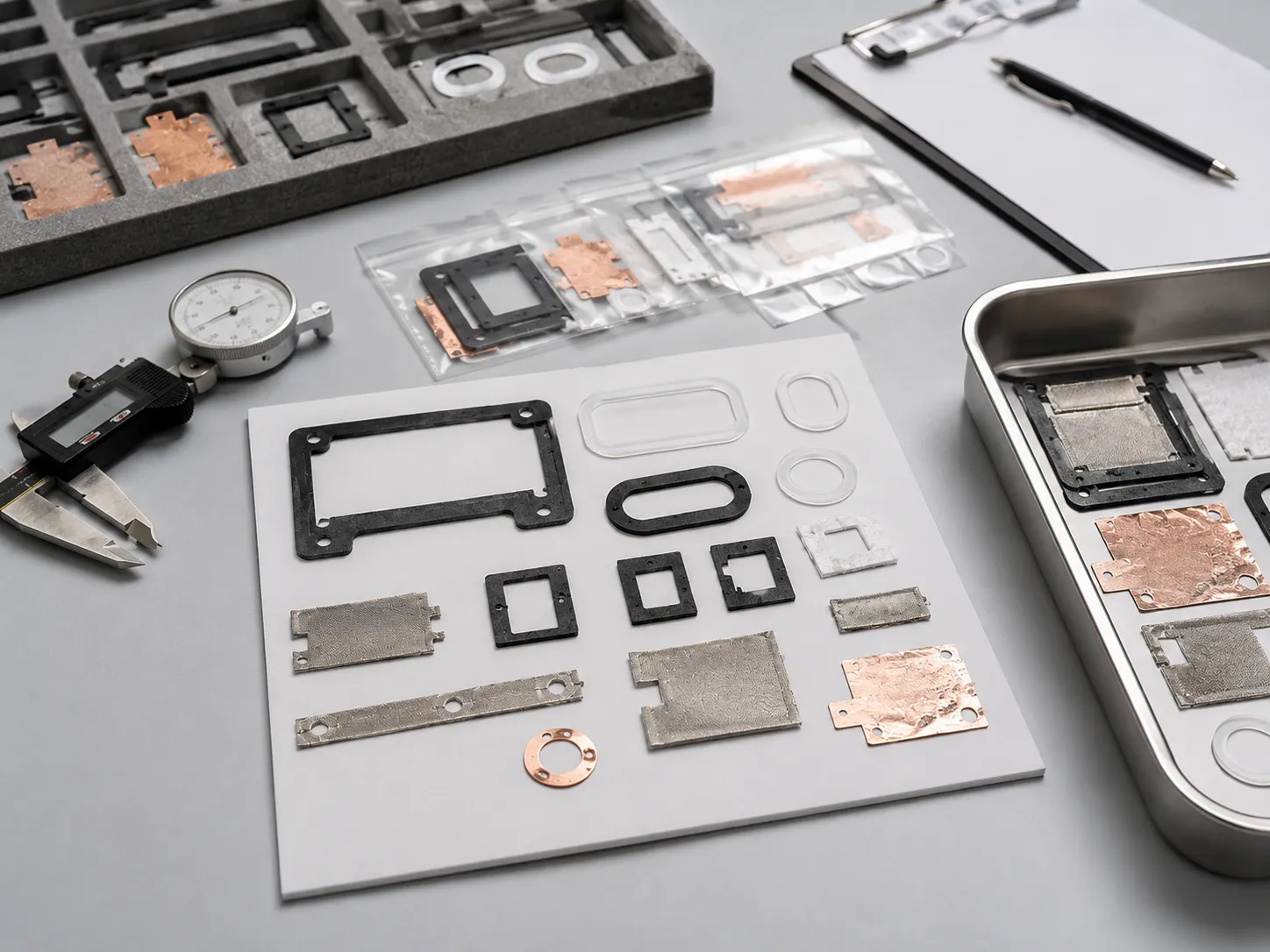
A reliable gasket starts before production. The drawing should show more than the outer shape.
1. Compression and Thickness
The gasket must be thick enough to seal or cushion, but not so thick that it deforms the housing or creates assembly stress. Engineers should define original thickness, compressed thickness and acceptable tolerance.
2. Edge Width and Hole Position
Narrow frames, small holes and thin ribs are common in die cut gaskets. These features affect waste removal, dimensional stability and installation accuracy.
3. Adhesive and Liner Structure
Many custom die cut gaskets include adhesive. The RFQ should define adhesive side, liner type, split liner, pull tab, finger lift and whether the gasket will be manually or automatically assembled.
4. Material Behavior
Foam rebounds. Silicone stretches. Films may curl. Conductive materials may require grounding contact. These behaviors should be reviewed during sample testing, not discovered during mass production.
Applications of Custom Die Cut Gaskets
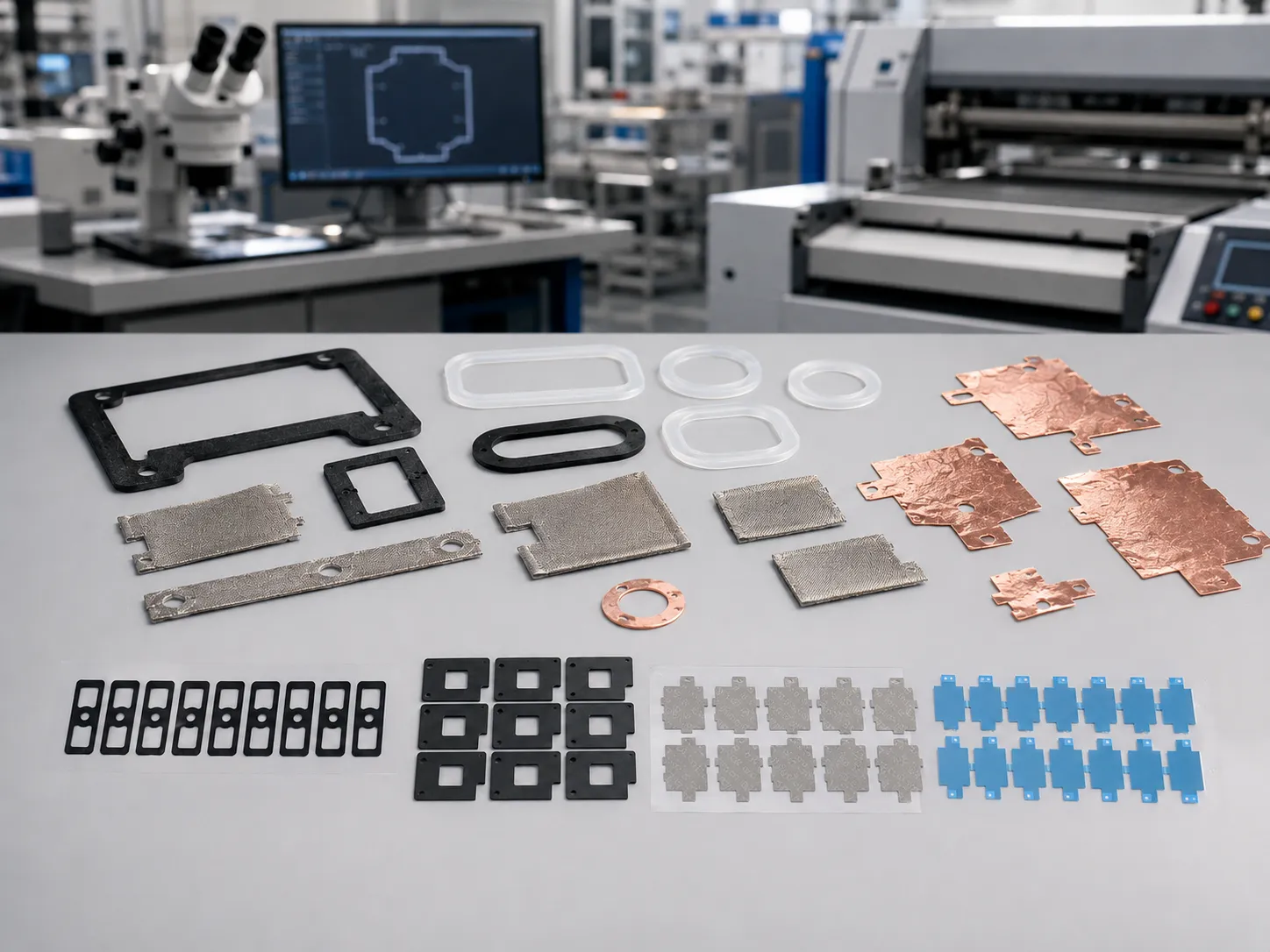
Custom die cut gaskets are widely used across product categories where space is limited and function must be controlled.
Application | Typical Gasket Need |
Smart locks and security devices | Waterproofing, dustproofing, cushioning |
Consumer electronics | Adhesive frames, speaker mesh, light blocking, insulation |
EV batteries and energy storage | Sealing, insulation, thermal protection, cushioning |
AI servers and telecom equipment | EMI shielding, grounding, thermal and insulation support |
Medical devices and wearables | Adhesive pads, protective films, foam comfort layers |
Robotics and drones | Lightweight sealing, vibration control, EMI protection |
Industrial control | Dust sealing, insulation, EMI and enclosure protection |
The demand for multi-functional gasket parts is rising because products are becoming thinner, more integrated and more exposed to heat, vibration, water, dust and electromagnetic noise.
Quality Control and RFQ Checklist for Gasket Die Cutting
A gasket can fail even when its outline looks correct. Inspection should cover dimensions, thickness, appearance, adhesive performance, liner release, compression behavior and packaging.
RFQ Item | What to Provide |
Drawing | PDF, DXF, DWG or sample photo |
Material | Foam, silicone, PET, PI, conductive foam, copper foil, etc. |
Thickness | Original and compressed thickness if required |
Tolerance | Critical holes, frames, edges and alignment points |
Function | Sealing, cushioning, insulation, EMI, waterproofing |
Adhesive | Single-sided, double-sided, conductive or non-adhesive |
Quantity | Prototype, pilot run and mass production forecast |
Packaging | Sheet, roll, tray, bag or custom liner format |
Inspection | Dimension report, visual inspection, full inspection or special test |
Xinyusheng’s internal research notes show a process covering material preparation, lamination, cutting, liner application, waste removal, finished product inspection and shipment, with production capability including rotary die cutting for high-volume projects and flatbed lines for flexible production.
How Xinyusheng Supports Custom Die Cut Gaskets?
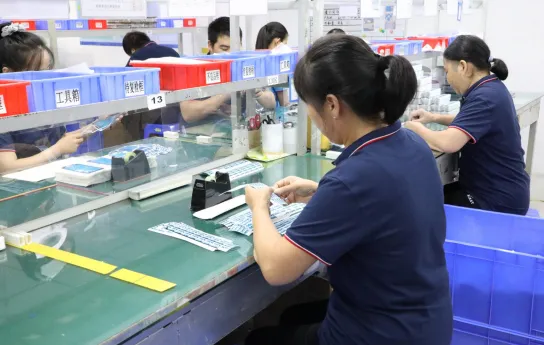
Xinyusheng provides custom precision die cutting services for functional components used in electronics, EV batteries, medical devices, robotics, drones, AI servers and industrial applications. Its website positions the company as a custom precision die cutting manufacturer for functional components.
For gasket projects, Xinyusheng can support waterproof series, foam series, tape series, insulation series, conductive EMI series, thermal management series, protective film series and mesh series. Company research records 12 years of die cutting experience, product categories covering waterproof, thermal, tape, foam, insulation, light-blocking, conductive, mesh, protective film and printing products, plus applications in consumer electronics, automotive electronics, new energy, medical devices and communication equipment.
The SEO plan also identifies “Die Cut Gaskets & Seals” and “How to Choose Foam Materials for Die Cut Gaskets” as important content directions, supporting internal links to foam, waterproof, material and service pages.
FAQ
What are custom die cut gaskets?
Custom die cut gaskets are precision-cut sealing, cushioning, insulation or shielding parts made from sheet or roll materials such as foam, silicone, rubber, adhesive tape, PET, PI, conductive foam or copper foil.
What materials are used for die cut gaskets?
Common materials include PU foam, PE foam, EPDM foam, silicone foam, silicone rubber, PET, PI, Mylar, conductive foam, conductive fabric, copper foil, aluminum foil and pressure-sensitive adhesives.
Are foam gaskets waterproof?
Foam gaskets can support waterproofing, but waterproof performance depends on foam type, cell structure, compression, adhesive, housing design and test requirements. Closed-cell foam or silicone materials are often preferred for stronger sealing needs.
What is the difference between an insulation gasket and an EMI shielding gasket?
An insulation gasket prevents electrical contact between conductive parts. An EMI shielding gasket creates conductive contact to reduce electromagnetic interference and support grounding.
What information is needed for a custom gasket quote?
Provide drawings, material requirement, thickness, tolerance, function, adhesive structure, application environment, quantity, inspection requirement and packaging method.
Source References
1.Xinyusheng KPI keyword table: custom die cut gaskets, die cut foam gaskets, die cut silicone gaskets and gasket die cutting keyword data.
2.Xinyusheng internal research notes and SEO plan: product categories, process flow, equipment capability and gasket content direction.
3.Xinyusheng official website: custom precision die cutting services and application positioning.
4.Gasket compression and compression set guidance.
5.EV battery sealing and EMC reference context.
Table of Contents
Related news
Company News
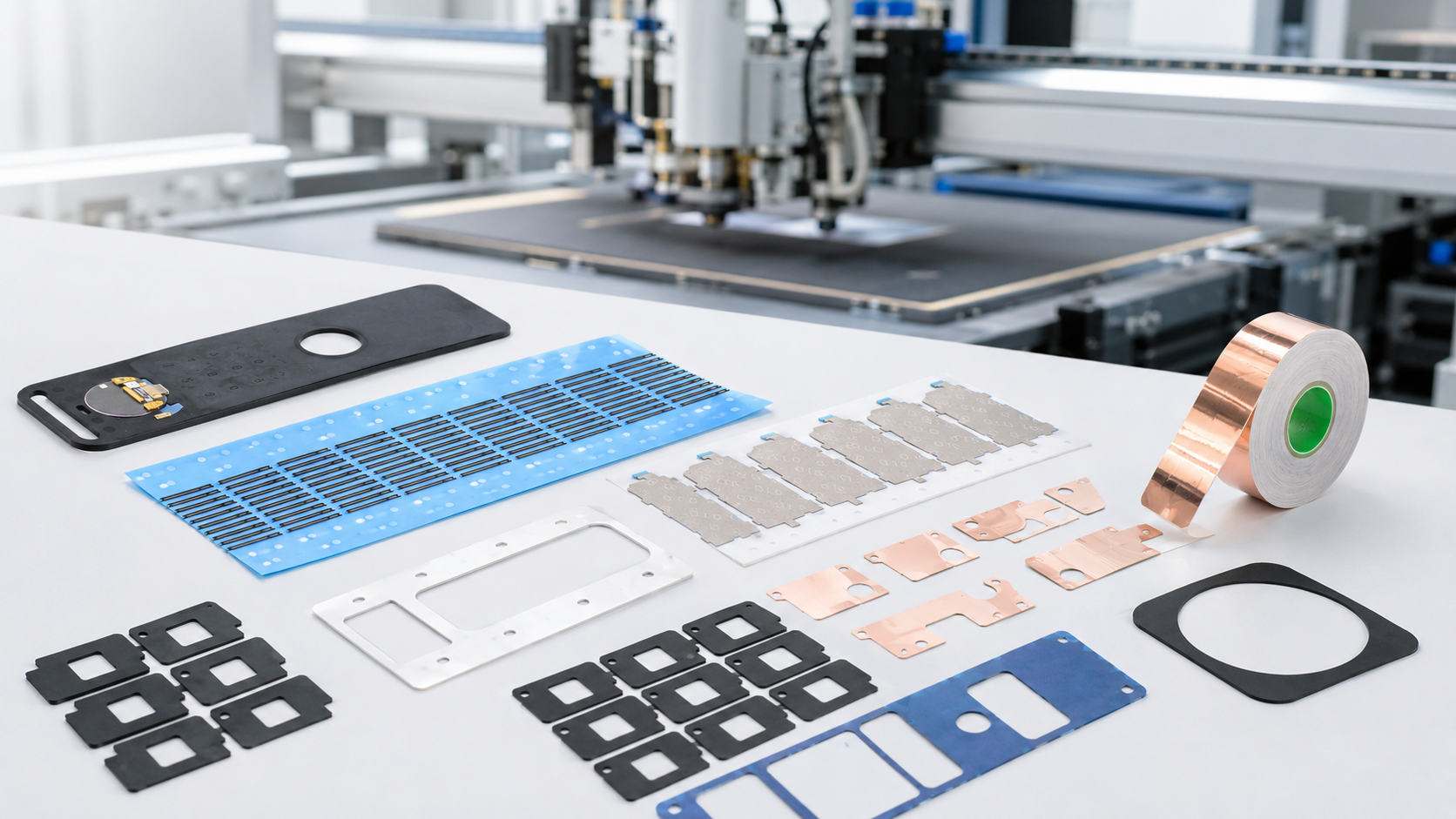
What Is Custom Precision Die Cutting? What Types of Custom Functional Components Is Xinyusheng Suitable For?
May 14,2026
Discover More
Company News
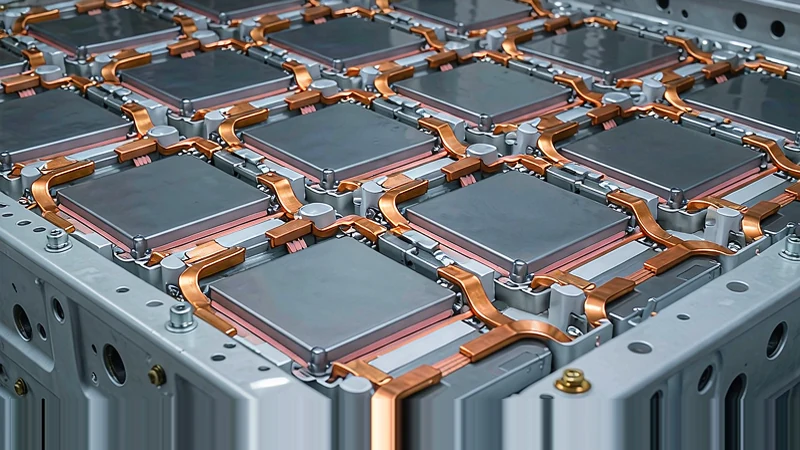
How Are Die Cut Materials Used in Automotive Electronics?
August 29,2026
Discover More
Company News
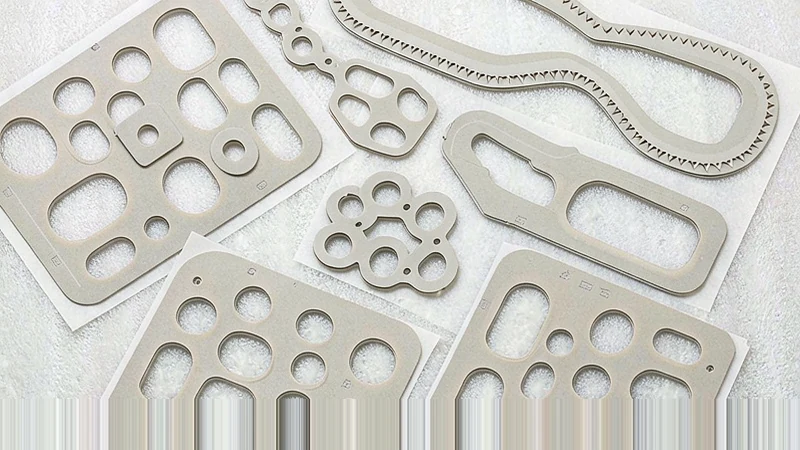
What Types of Thermal Interface Materials Can Be Die Cut?
August 29,2026
Discover More
