What Is Precision Die Cutting? How the Process Works?
Abstract
Precision die-cutting is a controlled manufacturing process used to convert flexible materials into accurate functional components for electronics, EV batteries, medical devices, AI servers, industrial control systems and other compact products. Unlike basic die cutting, it focuses on tighter tolerance control, material stability, prototyping, inspection and batch consistency. For OEM engineers and purchasing teams, understanding how precision die-cutting works helps reduce assembly risk, avoid sealing or bonding failures, and choose the right supplier before mass production.
What is Precision Die-Cutting?
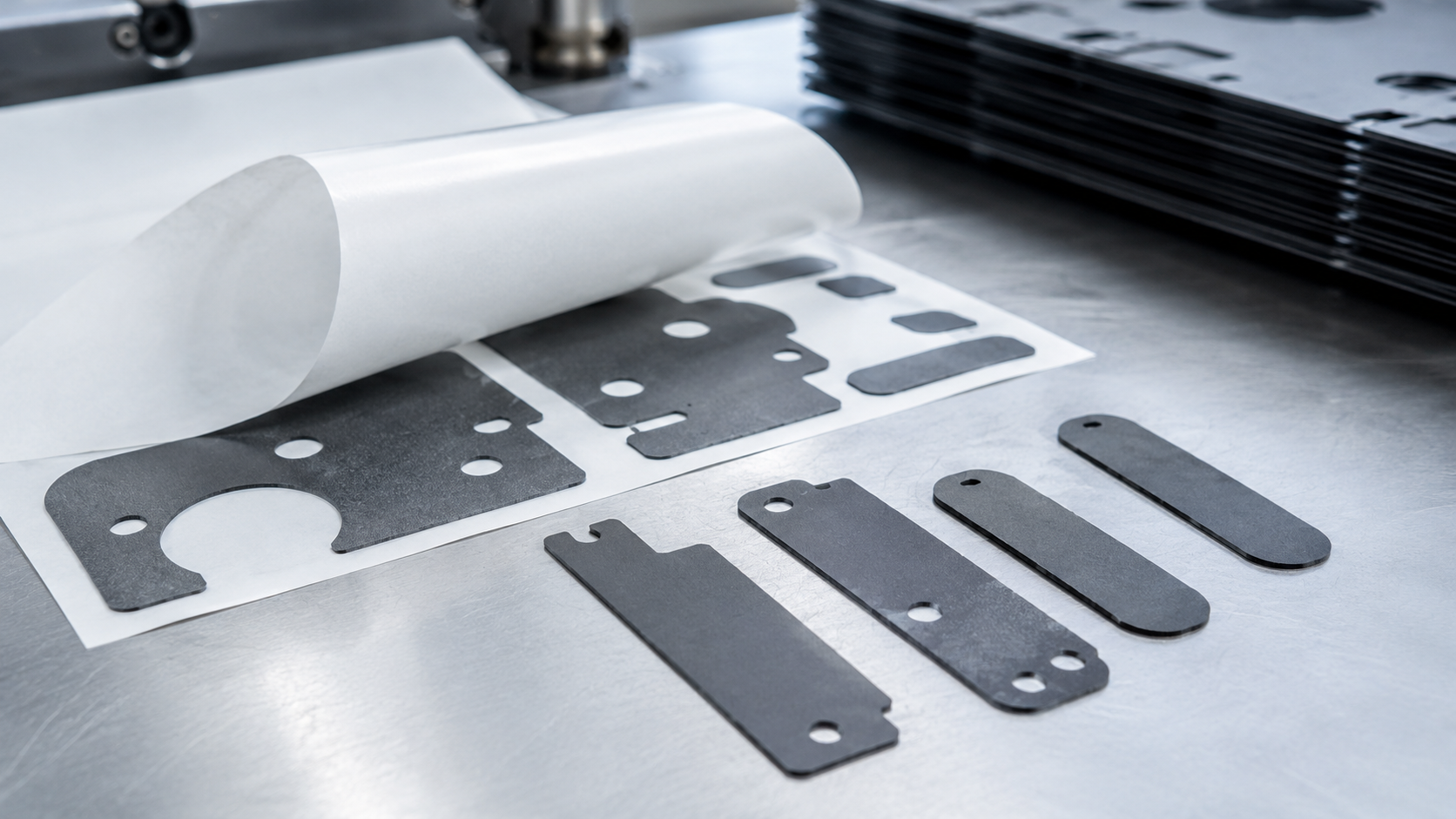
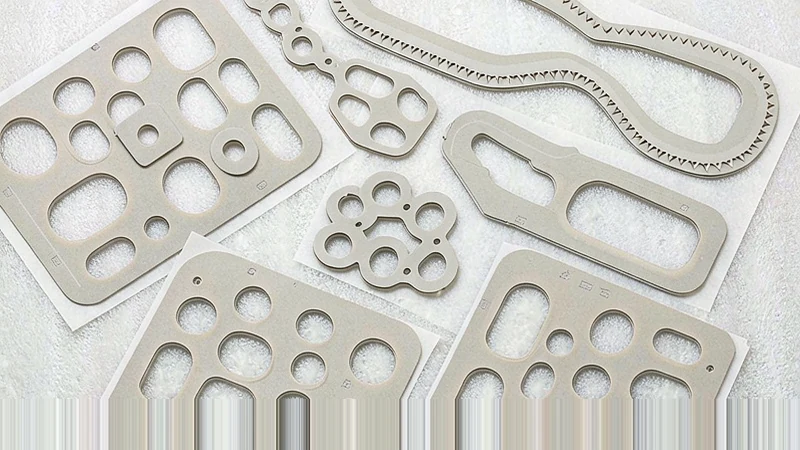
Precision die-cutting is a manufacturing process that cuts, laminates, kisses, punches or forms thin flexible materials into custom shapes with controlled dimensional accuracy. It is widely used for gaskets, adhesive tapes, insulation films, foam pads, conductive foils, thermal interface materials, dustproof mesh and protective films.
The key value of precision die-cutting is not only shape accuracy. A precision die cut component must also work in a real assembly environment. It may need to seal a housing, isolate a battery cell, conduct heat, block dust, absorb vibration, provide EMI shielding or bond two surfaces without adhesive overflow.
For this reason, precision die-cutting is often used when the part is small, thin, multi-layered, function-critical or difficult to install manually.
Precision Die Cutting vs Standard Die Cutting
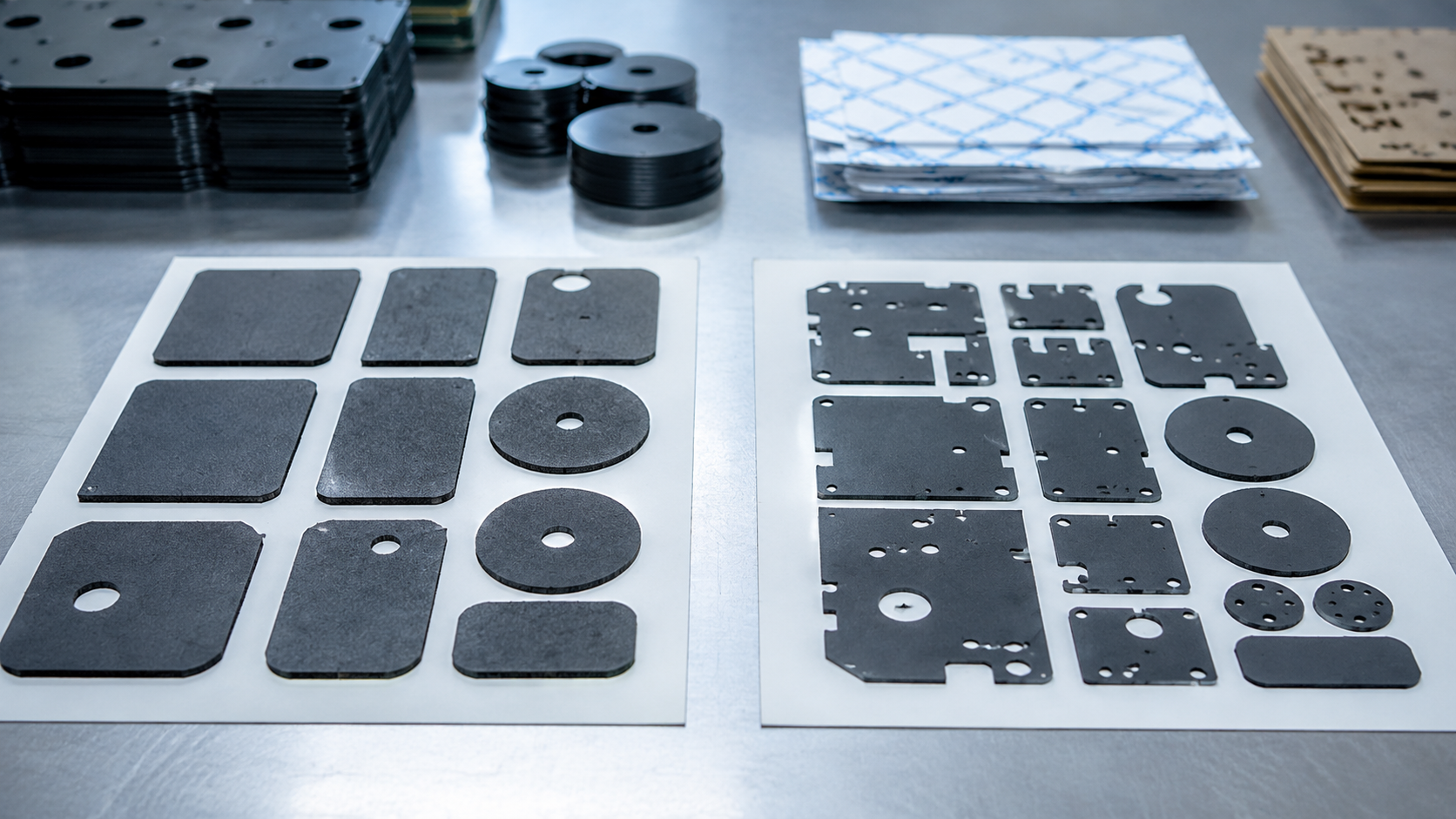
Standard die cutting usually focuses on cutting a material into a required shape. Precision die cutting focuses on accuracy, function and repeatable production.
Item | Standard Die Cutting | Precision Die Cutting |
Main goal | Cut a material into shape | Produce accurate functional components |
Typical concern | Basic size and outline | Tolerance, edge quality, fit, function and yield |
Materials | Paper, simple film, basic foam | Adhesive tape, PI/PET, copper foil, graphite, foam, silicone, mesh, insulation film |
Process control | Basic cutting | Lamination, registration, waste removal, first article inspection, IPQC and final inspection |
Suitable projects | Simple shapes, lower functional risk | Electronics, EV battery, medical, AI server, telecom and industrial products |
In OEM projects, the real question is not only “Can this shape be cut?” A better question is: “Can this material, tolerance and structure remain stable from sample to mass production?”
How the Custom Precision Die Cutting Process Works?
1. Engineering Review and Drawing Confirmation
The process usually starts with a drawing, sample, 2D file or product requirement. Engineers review the part size, thickness, tolerance, material stack-up, adhesive direction, liner structure, pull tabs, hole position and assembly environment.
For custom precision die cutting, this step is important because many production problems come from unclear requirements rather than poor cutting equipment. Missing tolerance, wrong adhesive selection, unsuitable liner or unrealistic minimum edge width can cause rework later.
2. Material Selection and Lamination
Many precision die cut components are not single-layer parts. A foam gasket may need PSA adhesive and release liner. A thermal pad may need insulation film. An EMI shielding part may combine conductive fabric, copper foil or conductive foam.
Material selection should consider:
Thickness and compression
Adhesion strength and temperature resistance
Electrical insulation or conductivity
Thermal conductivity or heat insulation
Waterproof, dustproof or sealing performance
Cleanroom, RoHS or medical-related requirements
3. Tooling, Prototyping and Sample Validation
Before mass production, a sample run helps verify whether the part can meet dimensional, functional and installation requirements. Prototyping also helps identify adhesive overflow, difficult waste removal, edge deformation, liner misalignment or unstable small holes.
For high-volume projects, tooling decisions affect cost, cycle time and accuracy. Rotary tools are often suitable for continuous roll-to-roll production, while flatbed tooling is useful for samples, small batches, large-format sheets or thicker materials.
4. Cutting, Registration and Waste Removal
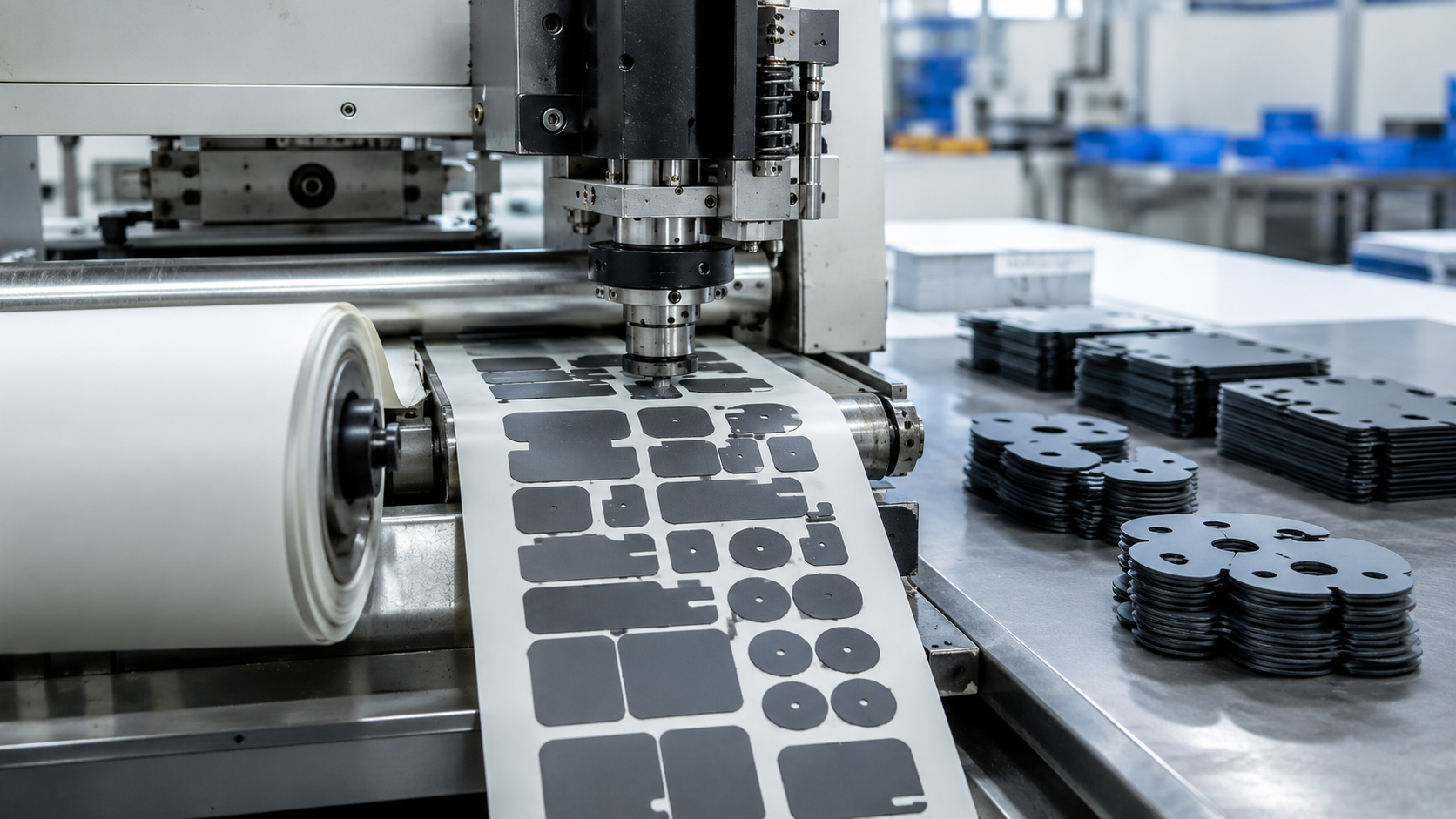
During production, the material is fed into die cutting equipment, cut according to the tool profile, and then transferred, laminated or stripped depending on the design. For kiss-cut parts, the blade cuts through the functional material but leaves the release liner intact. For through-cut parts, the part is fully separated from the material web or sheet.
Small holes, narrow borders, multi-layer registration and soft materials require stronger process control because deformation can happen during pulling, cutting, compression or waste removal.
5. Inspection and Quality Control
A reliable precision die cutting process does not end after cutting. It needs first article confirmation, in-process inspection, dimensional measurement, appearance inspection, adhesive check and outgoing inspection.
For critical components, inspection may include 2D or 2.5D measurement, CCD inspection, manual recheck, temperature and humidity testing, material testing and traceable reports. This is especially important for EV battery insulation parts, medical adhesive components, thermal pads and EMI shielding gaskets.
What Affects Die Cutting Tolerance?
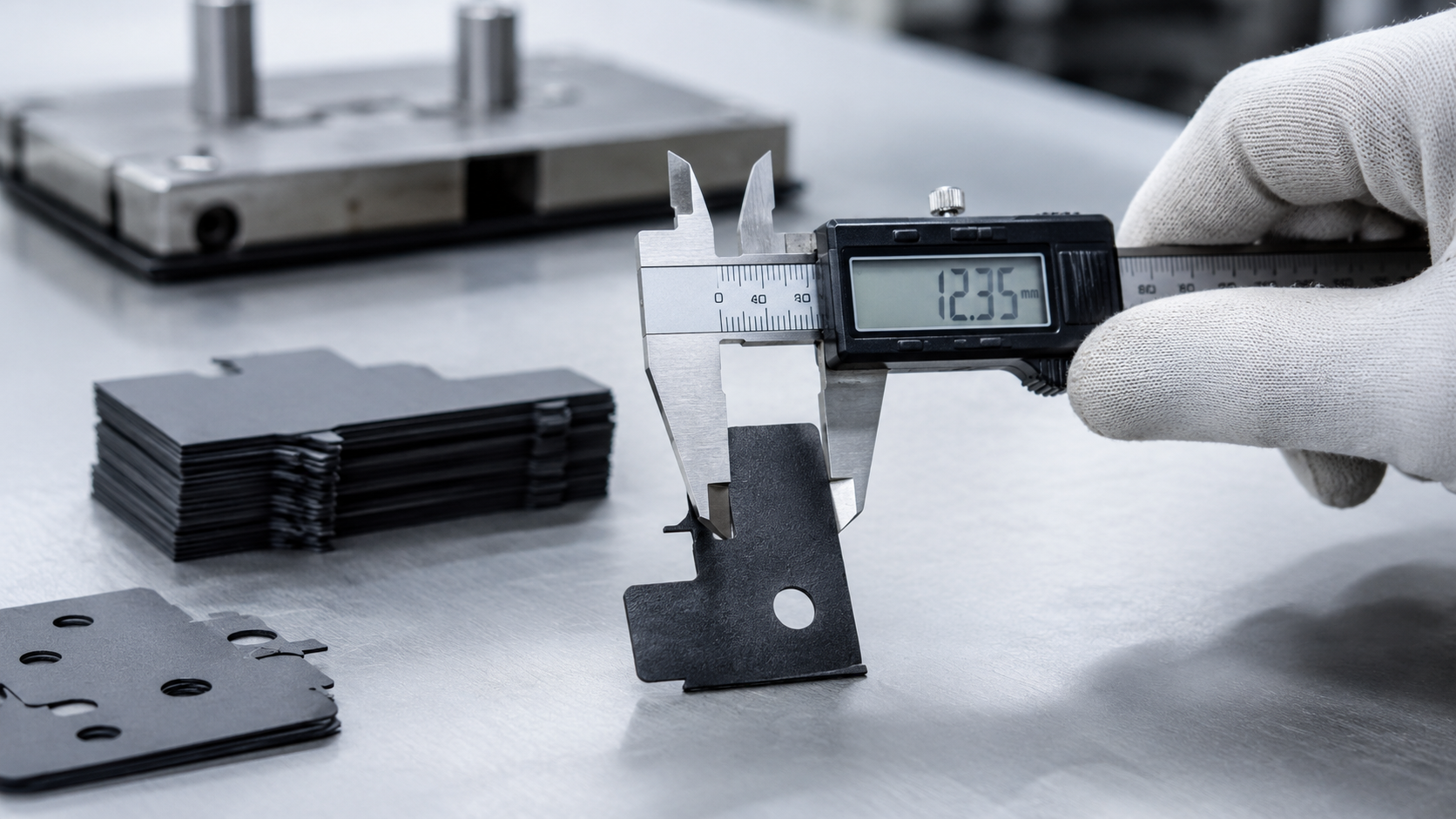
Die cutting tolerance is the allowable dimensional variation of a finished part. In real production, tolerance is affected by material behavior, part structure, tooling and production environment.
Factor | Why It Matters | How to Control It |
Material type | Foam, rubber and soft adhesive compress or rebound differently | Choose stable materials and confirm compression behavior |
Thickness | Thicker materials may deform more during cutting | Adjust tooling, pressure and process sequence |
Part size | Larger parts often need wider tolerance allowance | Define functional tolerance instead of only drawing tolerance |
Small holes and narrow borders | More difficult to strip and maintain shape | Use proper blade design and registration control |
Temperature and humidity | Some materials expand, shrink or curl | Control storage, workshop environment and inspection conditions |
Adhesive structure | PSA may improve stability but can also cause overflow | Test adhesive flow, liner release and lamination pressure |
A realistic tolerance should match the material, function and production method. A thin PET insulation film and a soft foam sealing gasket should not be judged by the same tolerance expectation.
Die Cut Materials for Electronics, EV Batteries and Medical Devices
Precision die cut materials are selected by function, not only by material name.
Material / Component | Main Function | Typical Applications |
Die cut adhesive tape | Bonding, fixing, assembly support | Consumer electronics, smart home devices, camera modules |
Die cut foam | Cushioning, sealing, dustproofing, vibration damping | Smart locks, drones, robots, battery packs |
PI / PET insulation film | Electrical insulation, spacing, protection | EV batteries, PCBs, power modules |
Copper foil / aluminum foil | Conductive path, grounding, EMI shielding | AI servers, telecom devices, industrial control |
Graphite / thermal pad | Heat spreading and thermal management | Phones, laptops, servers, power electronics |
Mesh and vent films | Dustproofing, airflow, acoustic protection | Speakers, sensors, housings, medical devices |
Silicone gasket | Sealing, waterproofing, temperature resistance | Outdoor electronics, EV, medical equipment |
These materials are becoming more important as electronic products become thinner, hotter and more integrated. AI servers need stronger thermal management and EMI control. EV battery packs need insulation, sealing, cushioning and thermal protection. Wearable and medical devices need clean, thin and reliable adhesive components.
Rotary Die Cutting Services vs Flatbed Die Cutting Services
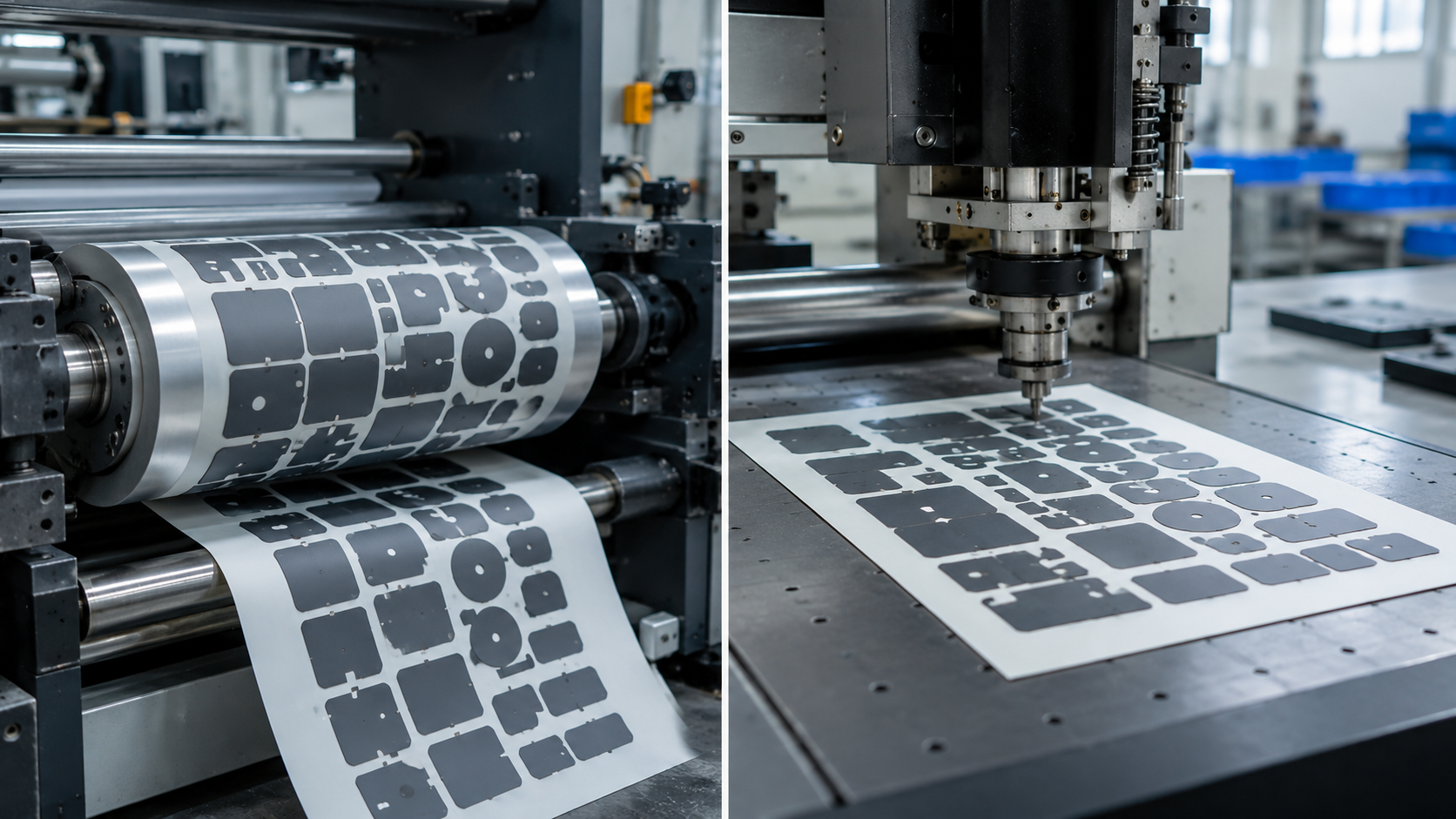
Rotary Die Cutting
Rotary die cutting is suitable for roll materials, continuous production and high-volume precision die cut components. It can combine cutting, lamination, slitting, waste removal and inspection in a more efficient line.
Best for:
High-volume roll-to-roll production
Repeated shapes
Multi-station lamination
Thin films, tapes, foams and protective films
Fast output with stable process control
Flatbed Die Cutting
Flatbed die cutting uses a flat tool and press structure. It is often suitable for prototyping, small and medium batches, larger sheet materials, thicker materials or projects that need flexible tool changes.
Best for:
Sample validation
Lower volume production
Large-format components
Thicker foam or sheet-based materials
Projects with frequent design changes
How Xinyusheng Supports Precision Die Cut Components?
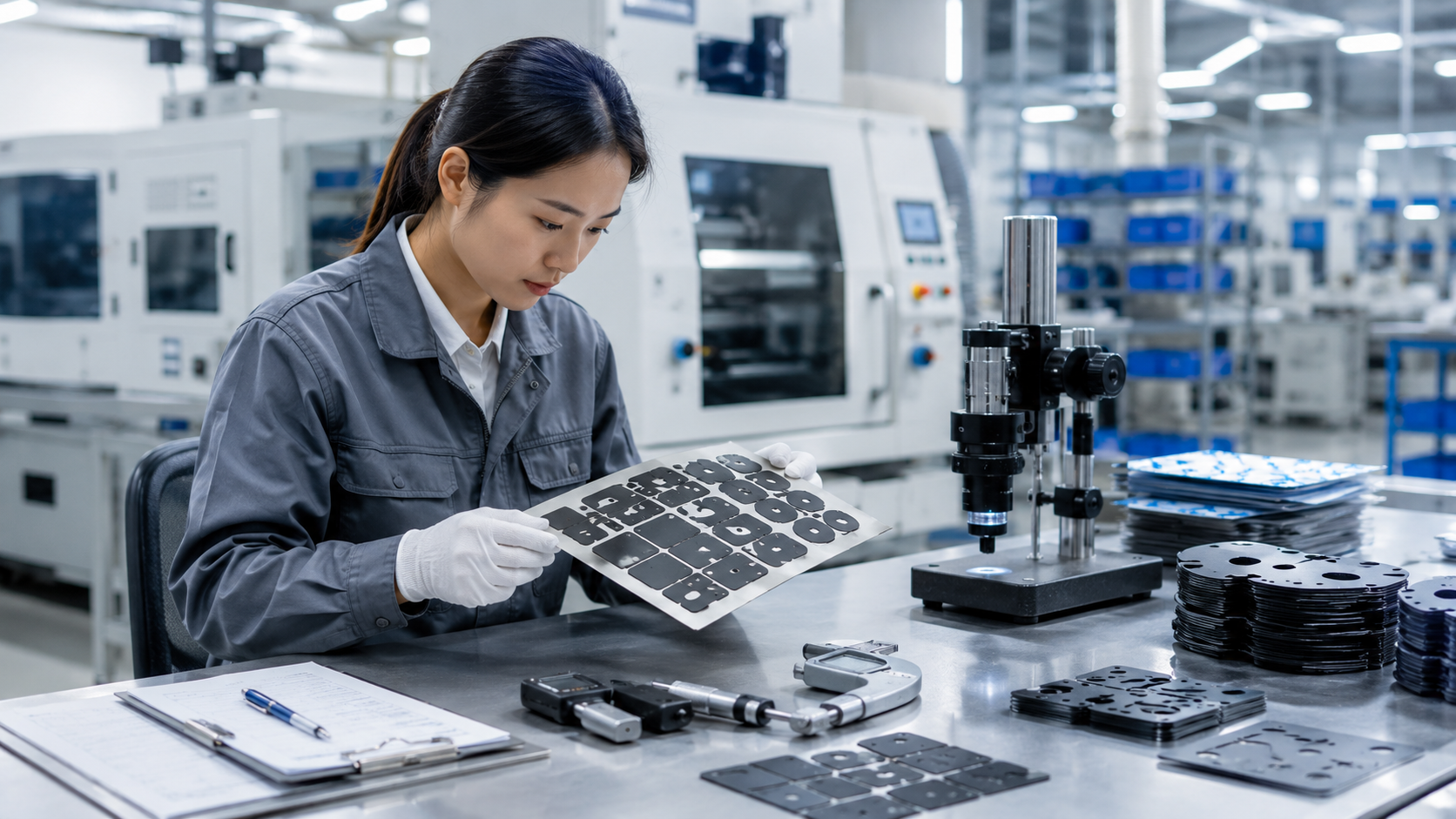
Xinyusheng provides one-stop custom solutions for precision functional die cut components, covering engineering review, material selection, sample making, production and inspection. The company’s official site positions it as a custom precision die cutting manufacturer and shows quality system certifications including ISO 9001, ISO 14001, ISO 13485, ISO 45001 and IATF 16949.
Its product range includes waterproof, thermal management, tape, foam, insulation, light-blocking, conductive EMI, mesh, protective film, printing, heating and thermal insulation series. These products are used in consumer electronics, new energy vehicles, energy storage, robotics, drones, medical devices, industrial control, AI thermal management, communications, smart home and security products.
For projects that require strict control, Xinyusheng supports custom sample development, automated die cutting, lamination, CCD inspection, manual inspection and full-process quality checks. Its service flow follows drawing review, technical communication, sample confirmation, mass production and delivery, helping OEM buyers reduce uncertainty before scaling.
RFQ Checklist for Custom Die Cutting Services
To receive a more accurate quote, prepare the following information:
2D drawing, PDF, DXF, DWG or sample photo
Material name, thickness and brand requirement if available
Part size, hole size, edge width and tolerance
Adhesive type, liner type and peel direction
Application environment: temperature, humidity, compression, waterproofing, insulation or conductivity
Quantity for prototype, pilot run and mass production
Inspection requirement and certification requirement
Packaging method: pieces, sheets or rolls
Clear RFQ information helps the supplier recommend the right material, process, tooling and inspection plan.
FAQ
What is precision die-cutting used for?
Precision die-cutting is used to make functional components such as adhesive tapes, foam gaskets, insulation films, thermal pads, EMI shielding parts, protective films and waterproof seals for electronics, EV batteries, medical devices and industrial equipment.
What is the difference between die cutting and precision die cutting?
Die cutting focuses on cutting a shape. Precision die cutting focuses on controlled tolerance, material performance, repeatability, inspection and assembly reliability.
What tolerance can precision die cut parts achieve?
Tolerance depends on material, thickness, part size, tool type and production method. Thin stable films can usually hold tighter tolerances than soft foam or rubber. The final tolerance should be confirmed during prototyping.
Is prototyping necessary before mass production?
Yes. Prototyping helps verify material fit, adhesive performance, dimensional stability, waste removal, installation method and inspection standards before tooling or mass production.
What files are needed for a custom die cutting quote?
A 2D drawing is preferred. PDF, DXF or DWG files are helpful. If drawings are not ready, a sample, photo, target size, material and application description can support early engineering review.
Can one die cut part combine several materials?
Yes. Many precision die cut components combine foam, PSA adhesive, release liner, film, copper foil, conductive fabric, graphite or insulation material to achieve sealing, bonding, thermal or electrical functions in one part.
Source References
Xinyusheng official website: company positioning, application fields and certifications.
ISO 9001 official explanation: quality management system requirements and continual improvement.
AIAG explanation of IATF 16949:2016 for automotive quality management systems.
Table of Contents
Related news
Company News
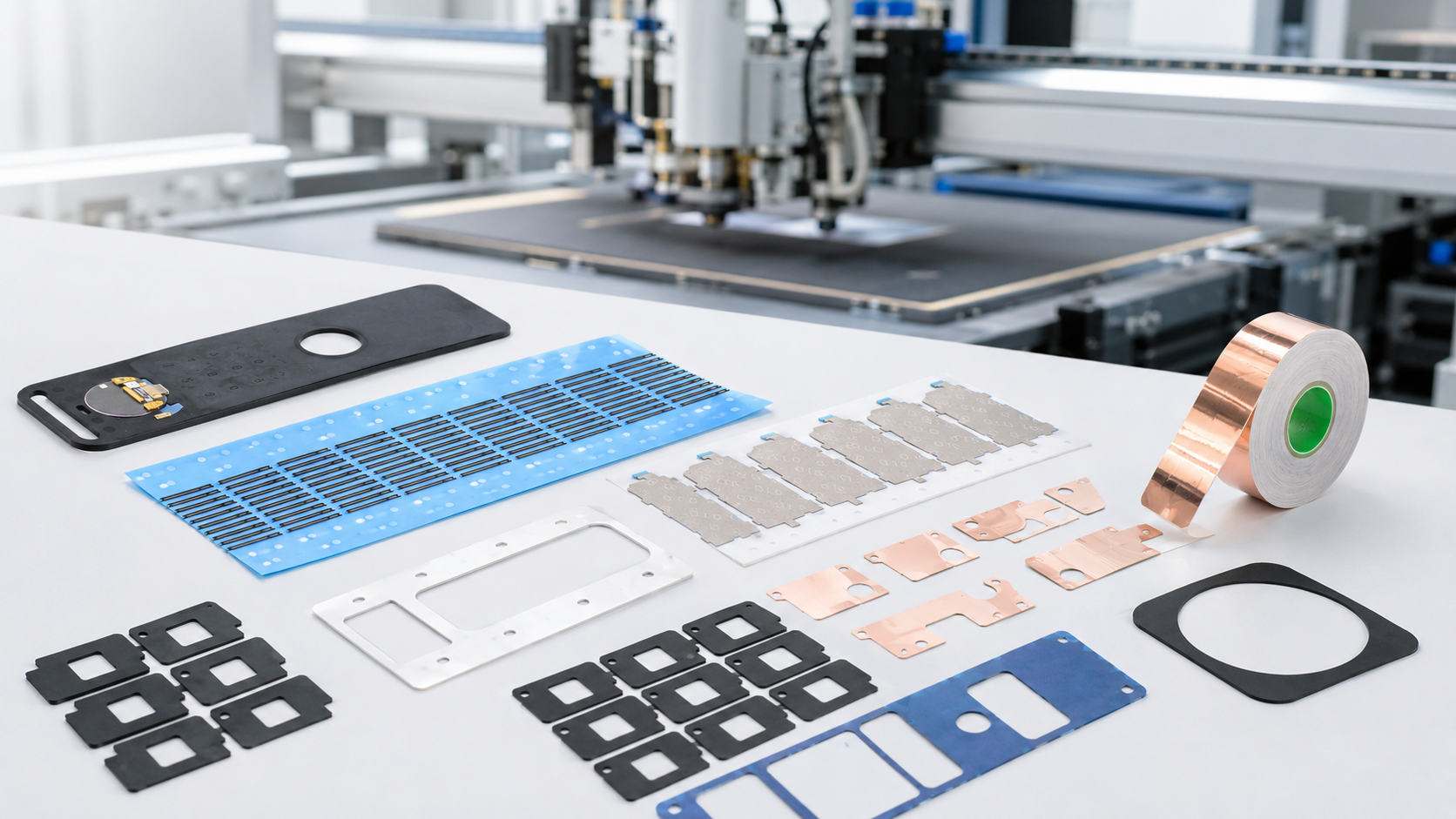
What Is Custom Precision Die Cutting? What Types of Custom Functional Components Is Xinyusheng Suitable For?
May 14,2026
Discover More
Company News
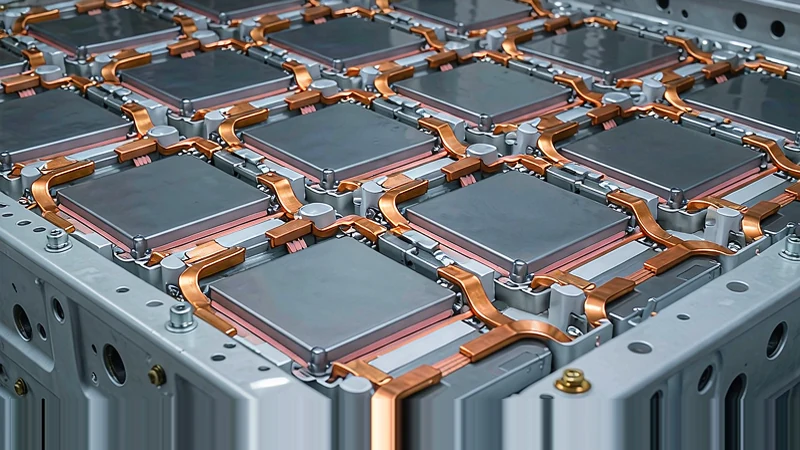
How Are Die Cut Materials Used in Automotive Electronics?
August 29,2026
Discover More
Company News
What Types of Thermal Interface Materials Can Be Die Cut?
August 29,2026
Discover More
