What Drawings Are Needed for a Custom Die Cutting Quote?
Quick Answer
To get an accurate custom die cutting quote, send a dimensioned 2D drawing, CAD file, material details, tolerance requirements, application information, quantity, packaging needs, and certification requirements.
Key Takeaways
·A clear drawing helps suppliers quote faster and reduce repeated RFQ questions.
·PDF, DXF, DWG, and sometimes STEP files are commonly used for precision die cutting projects.
·Material, thickness, adhesive structure, tolerance, and quantity directly affect pricing.
·Application details help engineers recommend the right die cut materials and process.
·For automotive, medical, electronics, and EV battery parts, quality and certification requirements should be shared early.
Summary
Before requesting a custom die cutting quote, buyers should prepare more than a simple product sketch. A complete RFQ package should include drawings, material requirements, tolerance standards, quantity, application environment, packaging method, and certification needs. This guide explains what overseas buyers should prepare before contacting a custom die cutting manufacturer for precision functional components.
Why Drawings Matter in Custom Die Cutting?
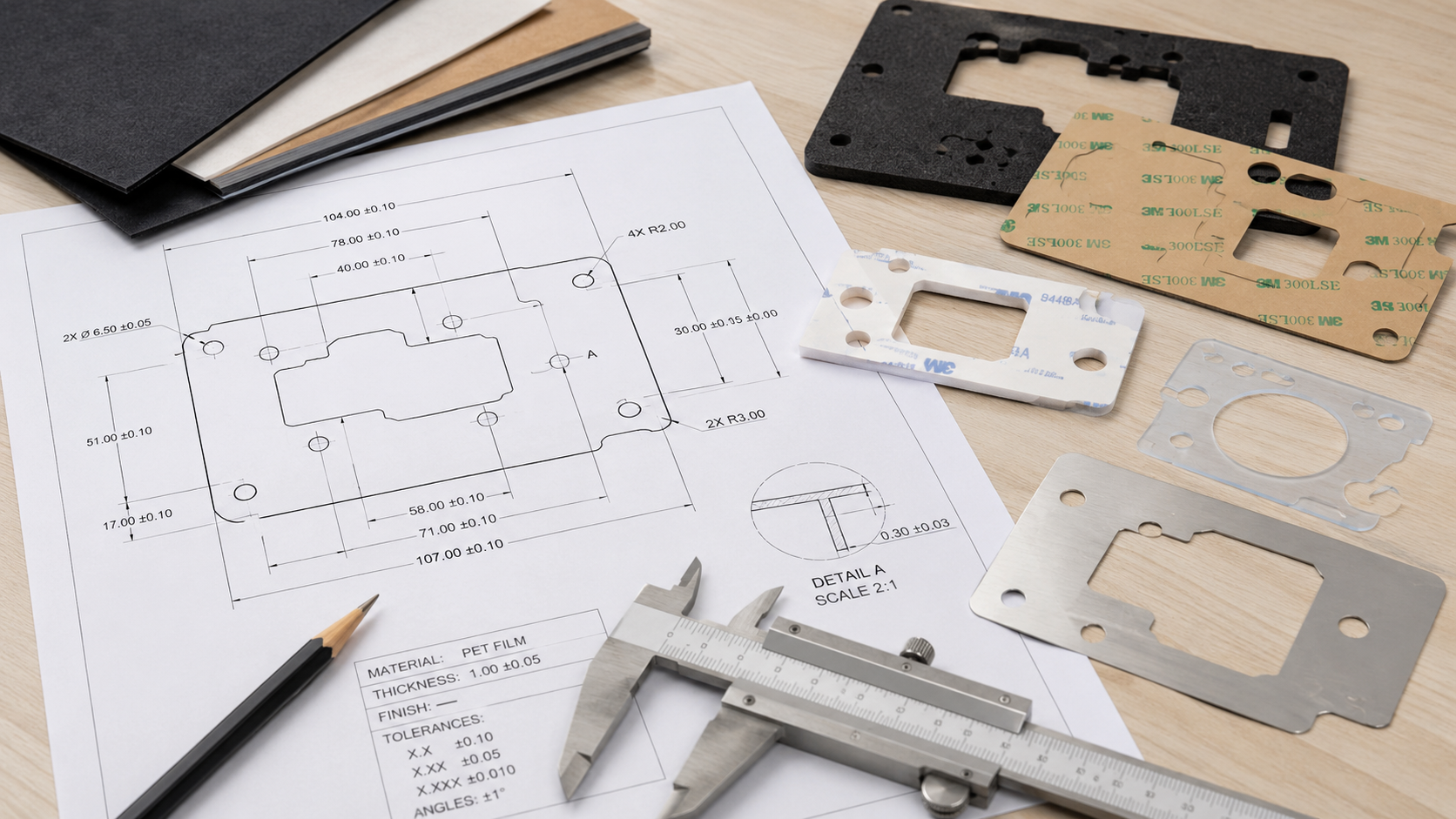
A drawing is the starting point of any custom die cutting project. It defines the shape, dimensions, material structure, tolerance, and inspection standard of the part. Without a clear drawing, the supplier may only provide a rough estimate instead of an accurate quotation.
For buyers in consumer electronics, automotive electronics, EV batteries, medical devices, smart home products, industrial control, communication equipment, and robotics, die cut parts are often small but highly functional. They may be used for bonding, sealing, cushioning, insulation, shielding, dustproofing, waterproofing, or thermal management.
That means the drawing is not just about the outline. It also helps the engineering team understand how the part will be manufactured, inspected, packed, and assembled.
Drawings Define Dimensions, Tolerances, and Critical Areas
A useful drawing should include the outer profile, holes, slots, radius, adhesive area, liner direction, and critical dimensions. For custom precision die cutting, buyers should clearly mark which areas are function-critical.
For example, a foam gasket may need accurate hole alignment. A battery insulation film may require strict edge control. A conductive copper foil part may need precise grounding contact. A thermal graphite component may need accurate positioning around a heat source.
Incomplete Drawings Can Delay the Quote
If the RFQ only includes a photo or a rough sketch, the supplier may need to ask several follow-up questions:
·What material should be used?
·What is the total thickness?
·Is adhesive required?
·Which side has adhesive?
·What is the tolerance?
·How many pieces are needed?
·Is this for sample testing or mass production?
These missing details can delay the quotation and may lead to inaccurate pricing.
Essential Drawing Files for Precision Die Cutting
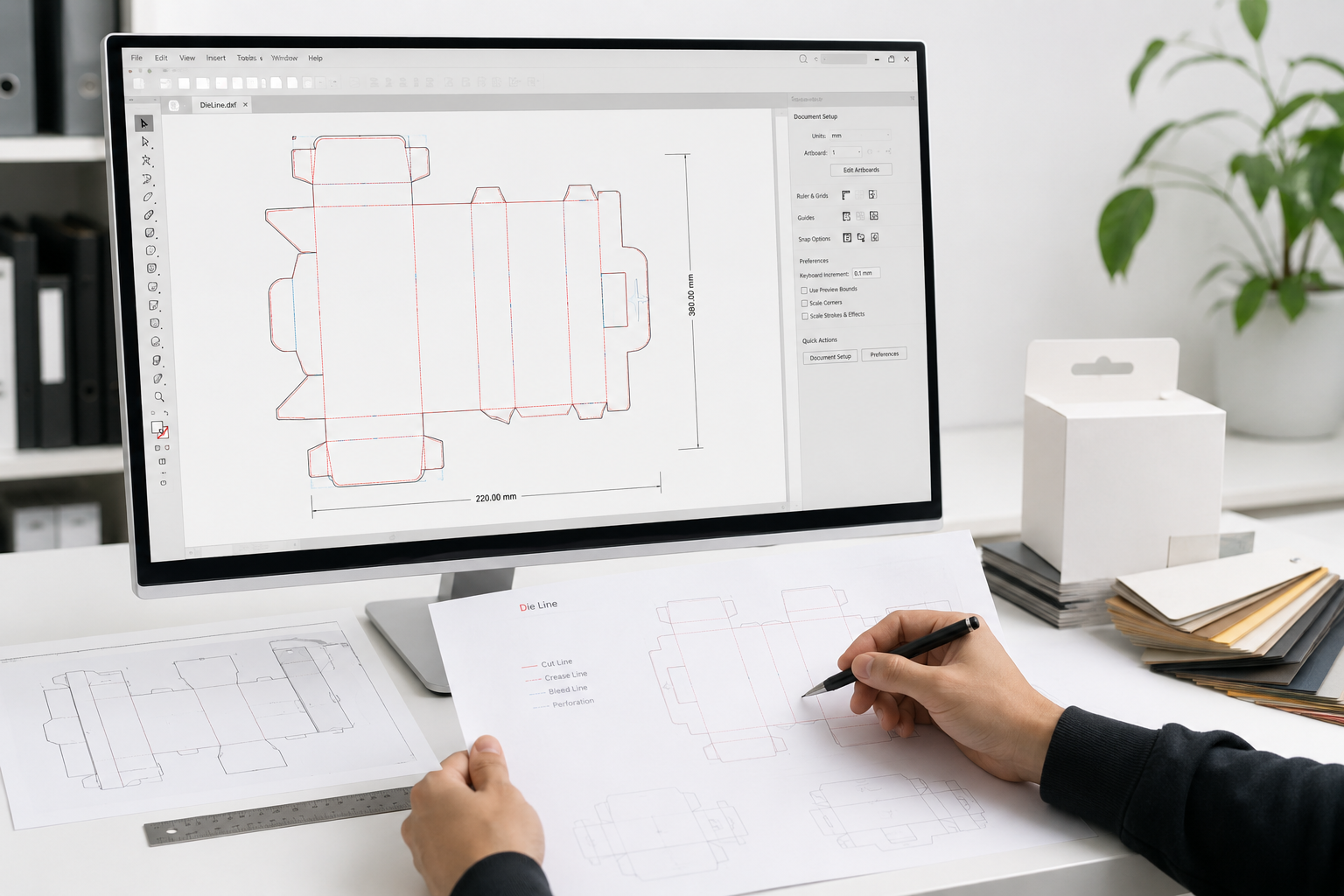
For most precision die cutting projects, a 2D drawing is enough for initial quotation. However, supporting files can help engineers better understand the part structure and application.
File or Information | Recommended Format | Purpose |
2D drawing | PDF, DXF, DWG | Shows dimensions, holes, slots, and tolerance |
CAD/vector file | DXF, DWG, AI | Helps check the cutting path and tooling design |
Assembly reference | STEP, PDF | Shows how the part fits into the final product |
Material stack-up | PDF, Excel, drawing note | Explains each layer of material, adhesive, and liner |
Product photos | JPG, PNG | Helps confirm surface, adhesive side, and use position |
Physical sample | Optional | Useful for reverse engineering or material matching |
2D Drawing: PDF, DXF, or DWG
A PDF drawing is useful for communication, while DXF or DWG files are more helpful for engineering review and tooling preparation. For die cut components, the file should be drawn at full scale and clearly state the unit, such as mm or inch.
The drawing should include:
·Overall length and width
·Hole diameter and position
·Slot size and radius
·Thickness
·General tolerance
·Critical tolerance
·Adhesive or liner side
·Special notes for burrs, dust, residue, or adhesive overflow
3D or Assembly Drawing: STEP When Fit-Up Matters
Most soft material die cut parts are quoted from 2D drawings. However, a STEP file or assembly drawing is useful when the part must fit into a housing, battery pack, display module, camera module, heat sink, connector, speaker, sensor, or enclosure.
This is especially helpful for custom precision die cutting projects where the die cut part interacts with other mechanical or electronic components.
Sample Photos or Physical Samples
If the final drawing is not ready, buyers can provide product photos, assembly photos, or physical samples. These references help the engineering team understand the function of the part and recommend suitable die cut materials.
This is useful for die cut foam, adhesive tape, dustproof mesh, insulation film, copper foil, conductive fabric, graphite sheet, protective film, and printed labels.
RFQ Checklist for Custom Die Cutting Services
Before requesting custom die cutting services, prepare the following information.
RFQ Item | What to Provide | Example |
Part name | Product or component name | Foam gasket, insulation pad, adhesive tape |
Drawing | Dimensioned 2D drawing | PDF + DXF |
Material | Base material and grade if known | PET, PI, EVA foam, PORON foam, copper foil |
Thickness | Total thickness and layer thickness | 0.1 mm PET + 0.05 mm adhesive |
Adhesive | Single-sided, double-sided, removable, high-temperature | Acrylic PSA, silicone adhesive |
Tolerance | General and critical tolerance | ±0.10 mm or tighter for key holes |
Quantity | Prototype and mass production demand | 100 pcs sample, 50,000 pcs/month |
Application | Where and how the part is used | Waterproof seal, EMI shielding, thermal pad |
Certification | Required quality or material standards | RoHS, ISO, automotive, medical |
Packaging | Roll, sheet, tray, liner, carrier film | Roll-to-roll or sheet packing |
Dimensions, Tolerance, and Measurement Method
For custom precision die cutting, tolerance should match the actual function of the part. If all dimensions are marked as highly critical, tooling cost and inspection cost may increase.
A better method is to mark the most important dimensions clearly. These may include holes, narrow edges, alignment points, sealing areas, contact areas, or assembly reference points.
Material, Adhesive, Liner, and Layer Structure
Many die cut components are multi-layer structures. A foam gasket may include foam, pressure-sensitive adhesive, release liner, and pull tab. A thermal part may include graphite, adhesive, insulation film, and protective film. A conductive part may include copper foil, conductive adhesive, or conductive fabric.
If the material is not fixed, describe the function instead. For example:
·Waterproof sealing
·Shock absorption
·EMI shielding
·Thermal conduction
·Electrical insulation
·Dustproofing
·Surface protection
·Structural bonding
A professional die cutting supplier can then recommend suitable material options.
Quantity, Packaging, and Delivery Target
Quantity affects both process selection and pricing. Small batches may be suitable for sample cutting, flatbed die cutting, or laser cutting. High-volume roll materials may be more suitable for rotary die cutting.
Packaging should also be confirmed early. Some parts need to be supplied on release liner, carrier film, rolls, sheets, trays, or with pull tabs for easier assembly.
How Material Requirements Affect Die Cut Components Pricing?
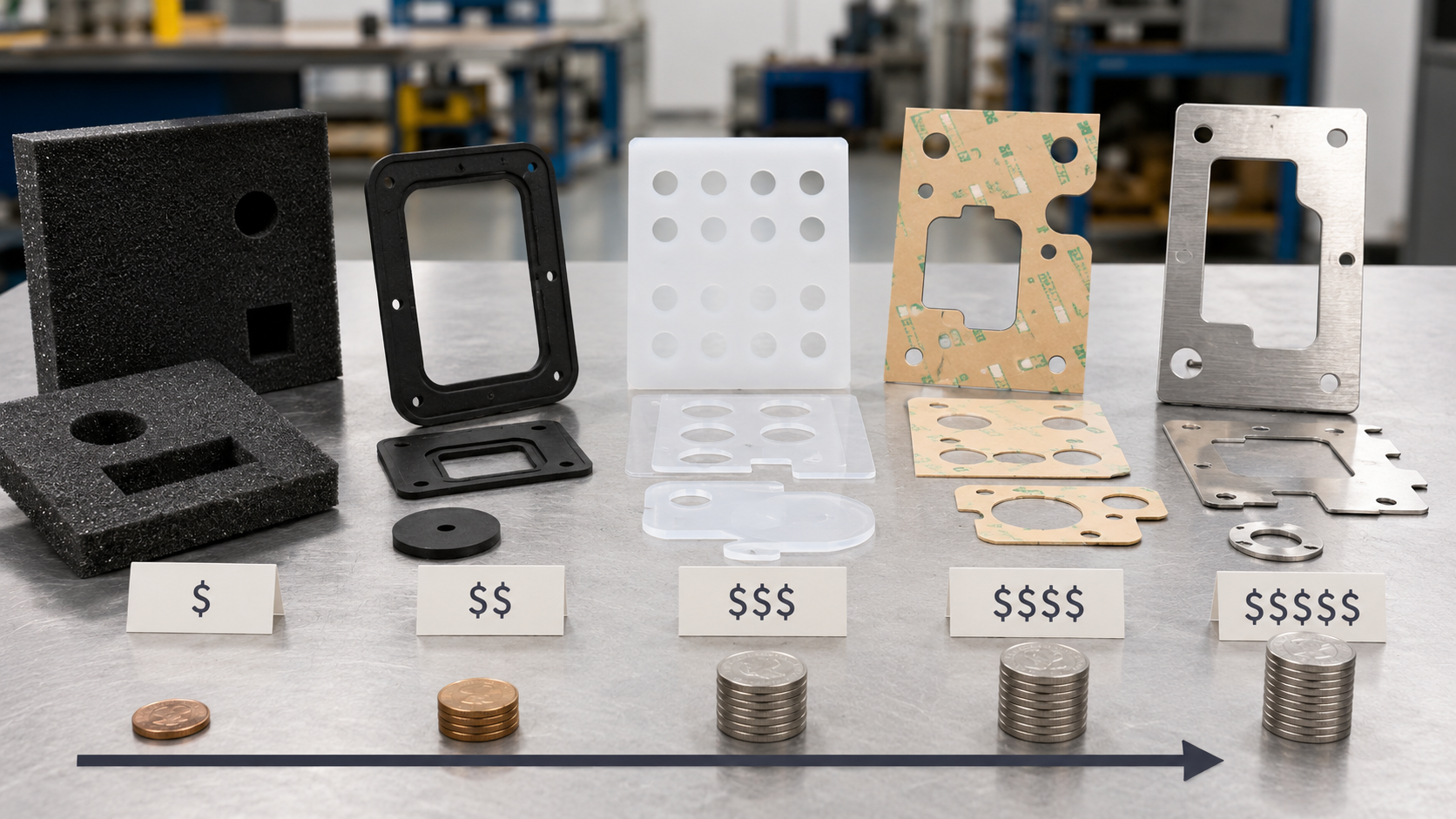
Material is one of the biggest cost factors in a custom die cutting quote. The same shape can have very different prices depending on the material, thickness, adhesive, liner, and performance requirements.
Common die cut materials include:
Material Type | Common Applications |
Foam | Cushioning, sealing, shock absorption, gap filling |
Double-sided tape | Bonding, mounting, assembly |
PET / PI film | Insulation, protection, electrical isolation |
Copper foil | Grounding, conductivity, EMI shielding |
Conductive fabric | EMI shielding, grounding, conductive gasket |
Graphite sheet | Thermal spreading, heat dissipation |
Mesh / nonwoven | Dustproofing, acoustic protection, ventilation |
Silicone / rubber | Waterproofing, sealing, compression |
PC / PET printed film | Labels, panels, nameplates |
Die Cut Foam
For die cut foam, buyers should confirm thickness, density, compression performance, recovery rate, adhesive type, and whether the part is used for cushioning, sealing, dustproofing, or shock absorption.
Die Cut Adhesive Tape
For die cut adhesive tape, the supplier needs to know the bonding surface, operating temperature, peel strength requirement, liner type, and assembly method.
Conductive and EMI Materials
For copper foil, aluminum foil, conductive fabric, or conductive foam, buyers should explain whether the part is used for grounding, shielding, conductivity, or gap filling.
Thermal Management Materials
For graphite, thermal pads, or other thermal interface materials, buyers should provide heat source location, compression condition, insulation needs, and working temperature.
Tolerance and Quality Requirements for Custom Precision Die Cutting
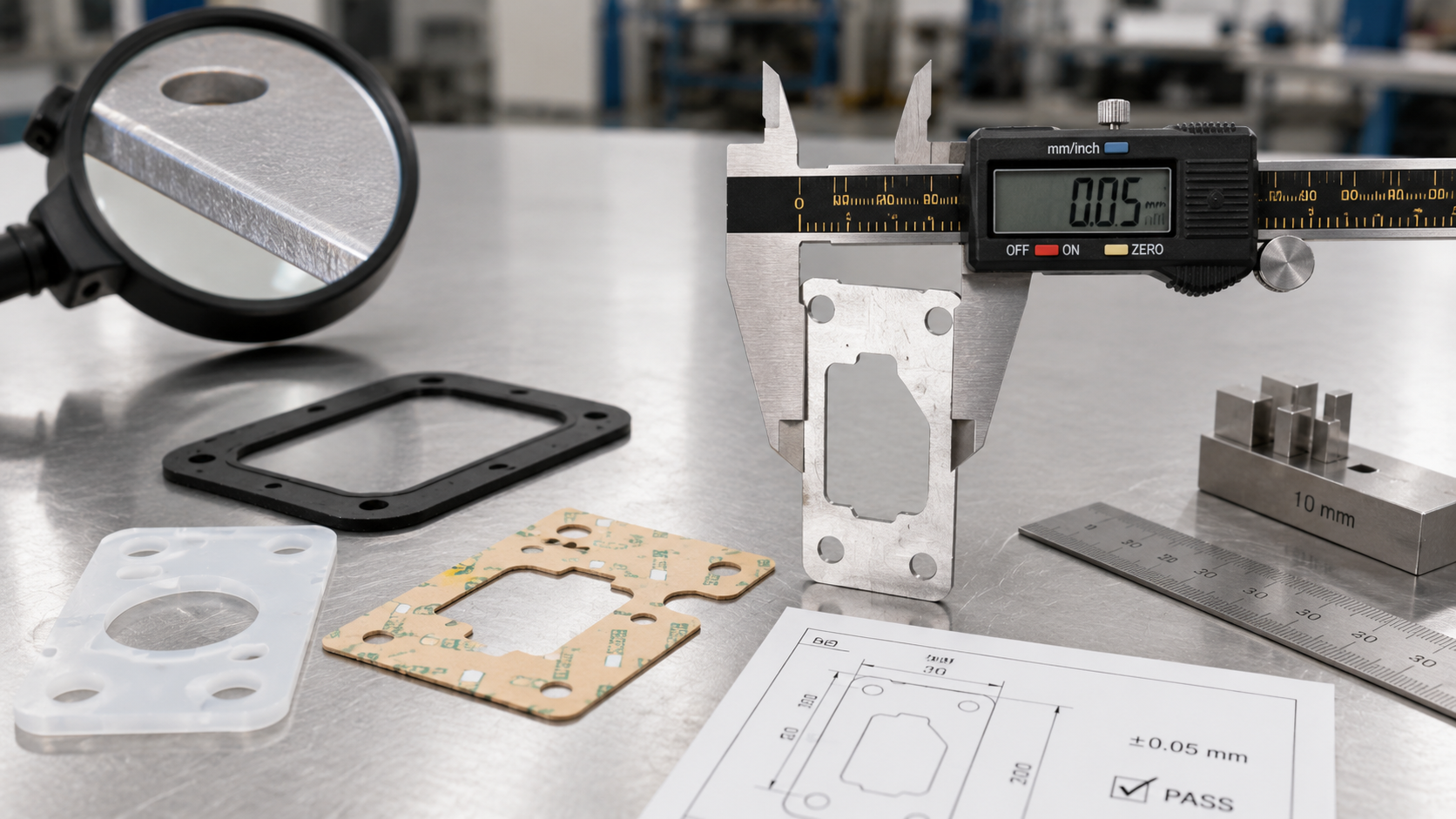
Tolerance should be based on the function of the part. A decorative label does not need the same tolerance as a battery insulation film, conductive gasket, or waterproof sealing component.
When Tight Tolerance Is Necessary
Tight tolerance is important when the die cut part aligns with:
·Connectors
·Sensors
·Battery cells
·Camera modules
·Speakers
·Display edges
·Housing gaps
·Screw holes
·Grounding points
If the tolerance is critical, mark those dimensions separately on the drawing. This helps the supplier design the right tooling, inspection method, and production process.
Inspection and Quality Documents
For electronics, automotive, EV battery, and medical applications, buyers should confirm quality requirements at the RFQ stage. These may include:
·First article inspection
·Dimensional inspection report
·Material certificate
·RoHS or halogen-free requirement
·Incoming material inspection
·In-process quality control
·Outgoing quality inspection
·Sampling plan
·Full inspection for critical parts
Xinyusheng supports precision functional die cut components for waterproof, thermal management, adhesive tape, foam, insulation, conductive, mesh, protective film, and printed products. The company also provides engineering review, sampling, production, inspection, and delivery support for customized projects.
Common Mistakes That Delay a Die Cutting Quote
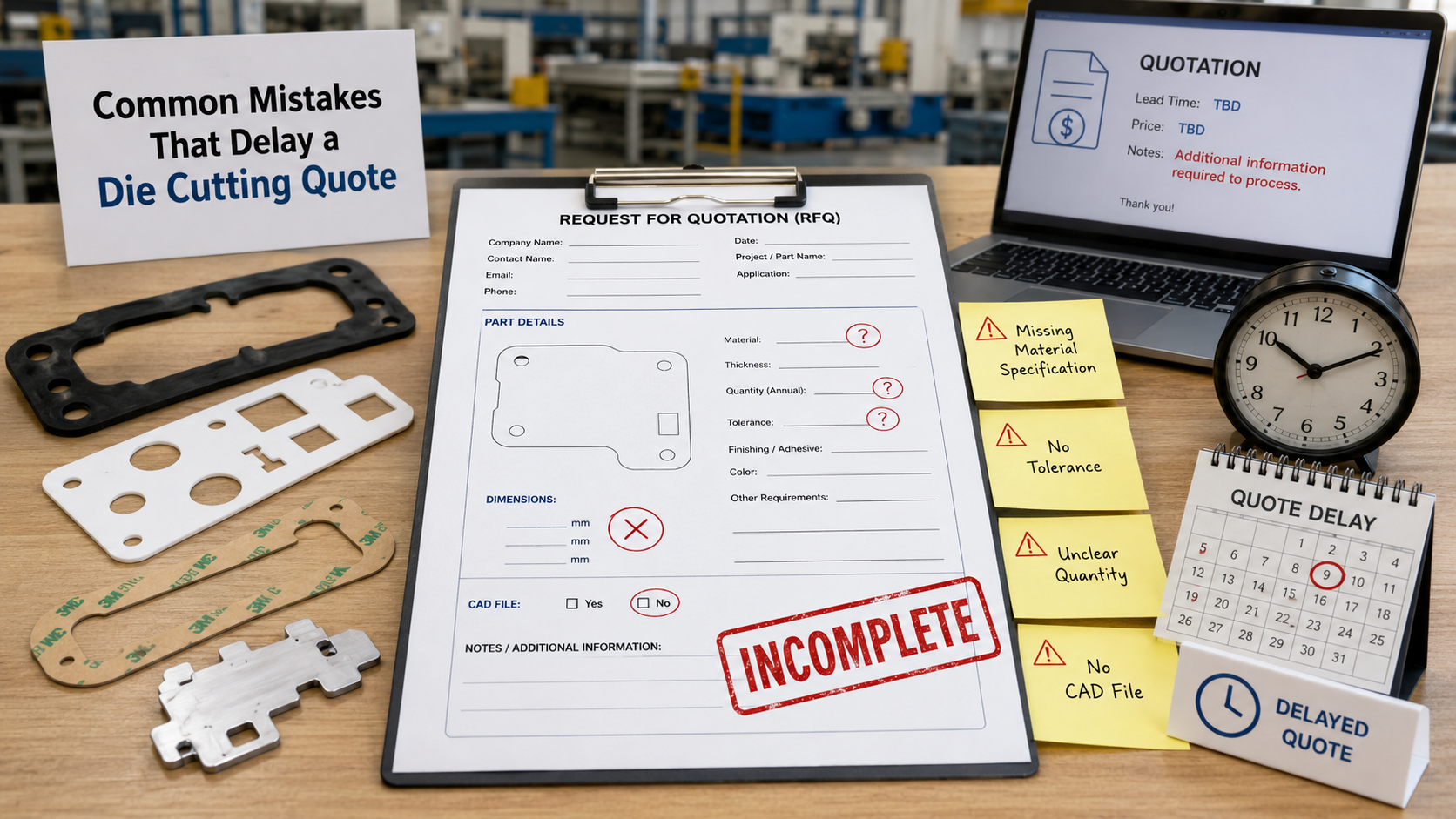
Missing Material Thickness
A drawing without thickness is incomplete. Thickness affects tooling, lamination, cutting pressure, waste removal, packaging, and final cost.
No Adhesive Direction or Liner Side
For adhesive-backed parts, buyers should mark which side has adhesive, whether the liner should be on the top or bottom, and whether a pull tab is required.
Quantity Is Not Clear
A sample order of 100 pieces and a mass production order of 100,000 pieces require different pricing logic. Buyers should share both prototype quantity and estimated monthly demand.
No Application Information
The same shape may need different materials depending on the application. For example, a foam part used inside a smart lock, a medical device, and an EV battery pack may have different requirements for sealing, compression, temperature resistance, and reliability.
Overly Strict Tolerance Everywhere
Applying very tight tolerance to every dimension may increase cost unnecessarily. It is better to define critical dimensions and general dimensions separately.
From Drawing Review to Mass Production
A complete RFQ package helps the project move faster from review to production.
Typical Custom Die Cutting Process
Step | Description |
1. RFQ submission | Buyer sends drawing, material, quantity, and application |
2. Engineering review | Supplier checks manufacturability and key requirements |
3. DFM feedback | Supplier suggests material, tolerance, tooling, or packaging improvements |
4. Drawing confirmation | Buyer and supplier confirm final specifications |
5. Sampling | Samples are produced for fit, function, and quality testing |
6. Sample approval | Buyer approves or requests adjustment |
7. Mass production | Production starts after sample confirmation |
8. Inspection | Quality team checks dimensions, appearance, and function |
9. Packaging and delivery | Parts are packed according to assembly and shipping needs |
Engineering Review and DFM Suggestions
During review, the supplier may suggest changes to radius, narrow edges, hole spacing, adhesive coverage, waste removal, liner design, or packaging method. These suggestions help improve yield, reduce cost, and make the part easier to assemble.
Sampling Before Mass Production
Sampling is important for almost every custom die cutting project. It verifies fit, adhesion, compression, insulation, shielding, sealing, thermal performance, and handling during assembly.
After samples are approved, the project can move to mass production with a defined inspection standard and packaging method.
FAQ About Custom Die Cutting Quote Requirements
Can I get a quote without a final drawing?
Yes. You can send a sketch, sample photo, application description, estimated size, material preference, and quantity. However, the quote may be preliminary. A final drawing is recommended before tooling and mass production.
Is a PDF drawing enough?
A PDF is enough for initial review, but DXF or DWG files are better for engineering checking and tooling preparation. For complex assemblies, STEP files or assembly drawings are also helpful.
What if I have not selected the material yet?
You can describe the function first, such as sealing, bonding, cushioning, insulation, thermal management, EMI shielding, dustproofing, or waterproofing. The supplier can recommend suitable die cut materials.
Do I need to provide certification requirements?
Yes. If the part is used in automotive electronics, medical devices, EV batteries, or regulated products, certification and quality requirements should be provided at the RFQ stage.
What information affects the price most?
The main cost factors include material type, thickness, tolerance, adhesive structure, tooling, quantity, inspection level, packaging, and delivery requirements.
What is the fastest way to get an accurate custom die cutting quote?
Send a complete RFQ package: 2D drawing, CAD file, material structure, tolerance, quantity, application, photos, packaging requirement, certification needs, and target delivery date.
Conclusion
A successful custom die cutting quote starts with clear technical information. The more complete your drawing and RFQ package are, the faster the supplier can review the project, recommend suitable materials, provide accurate pricing, and prepare samples.
For buyers sourcing precision die cutting parts for electronics, EV batteries, medical devices, smart home products, communication equipment, or industrial applications, drawings should include not only the shape but also material, thickness, tolerance, adhesive structure, quantity, packaging, and quality requirements.
Xinyusheng provides custom die cutting services for foam, adhesive tape, insulation film, conductive materials, thermal management parts, waterproof components, dustproof mesh, protective films, and printed products. If you are preparing a new project, send your drawing and application requirements for engineering review and quotation.
Table of Contents
Related news
Company News
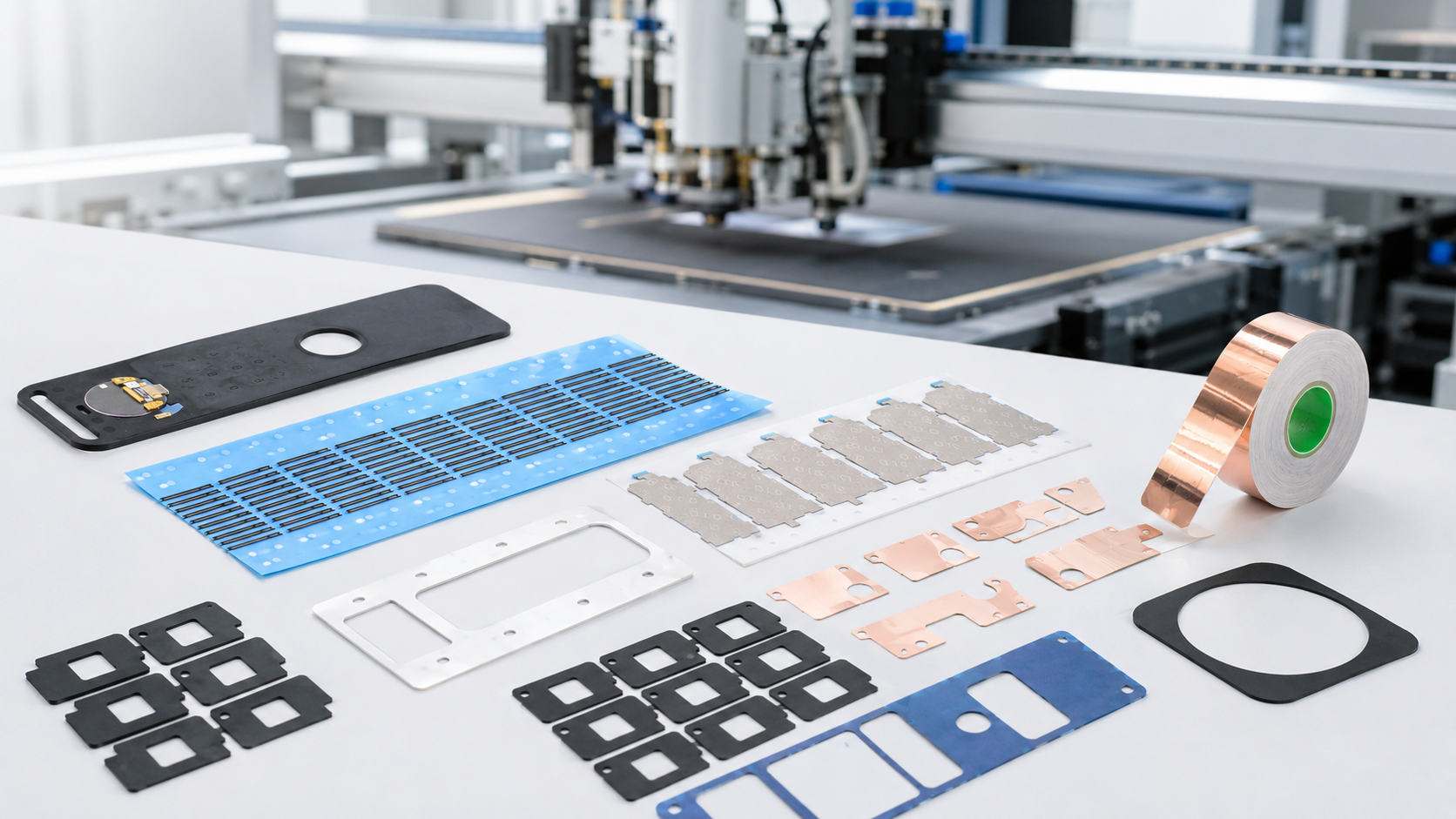
What Is Custom Precision Die Cutting? What Types of Custom Functional Components Is Xinyusheng Suitable For?
May 14,2026
Discover More
Company News
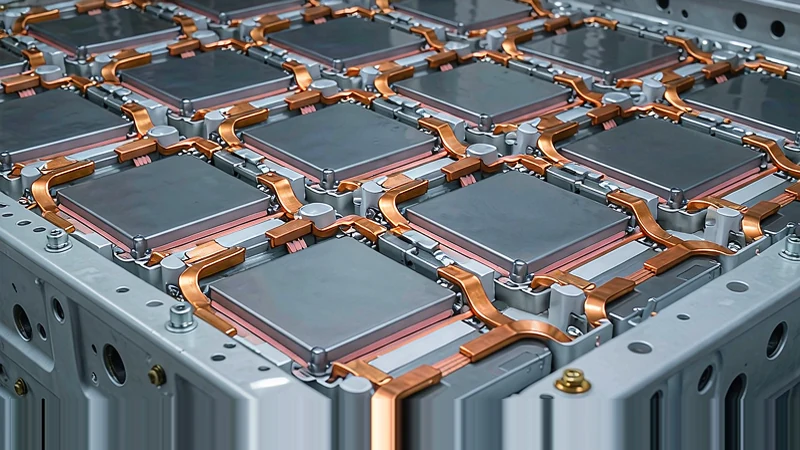
How Are Die Cut Materials Used in Automotive Electronics?
August 29,2026
Discover More
Company News
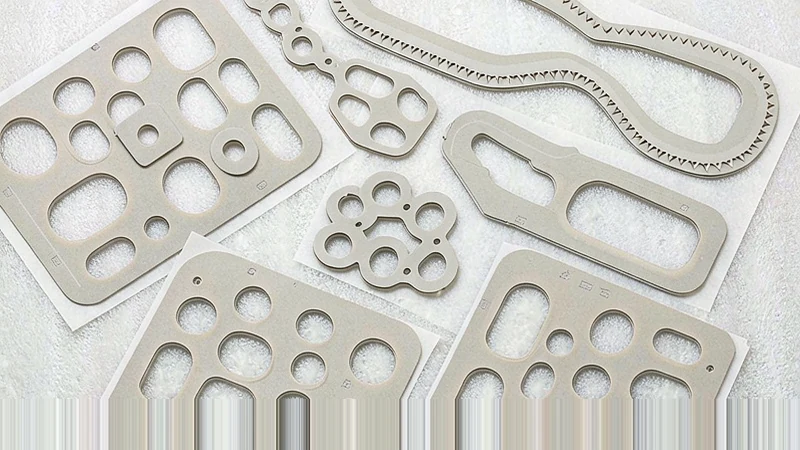
What Types of Thermal Interface Materials Can Be Die Cut?
August 29,2026
Discover More
